
About Fergus McDonell
Lived 1910 – 1984 (aged 73). Fergus McDonell was a British film editor, film director and director.
Fergus McDonell (6 October 1910 – 3 January 1984) was an English film editor and director. He was nominated for the Academy Award for Best Film Editing for Odd Man Out, and his film The Hideout (aka The Small Voice) received a nomination for Best British Film at the 1949 BAFTA Awards.
Early life Fergus McDonell was one of five children born to Angus MacDonnell, Judge of Trichonopoly, Madras and his wife Elsie Murdoch. His grandfather was Lord Aeneas Ranald MacDonell, 19th Chief of Clan MacDonell of Glengarry. Members of this family variously spell their surname 'MacDonnell', 'Macdonnell' and 'McDonell'; Fergus used the latter spelling throughout his life.
As was the custom among members of the Indian Civil Service during the Raj, it is likely that McDonell spent his early childhood in India and was sent back to England for his education. His brother Angus died at age two; he and his three other brothers attended Sedbergh School in Cumbria.
Career In 1937, McDonell entered the film world as an editor on The Claydon Treasure Mystery, one of a series of B movies or 'Quota Quickies' which he would make between 1937 and 1950. Quota Quickies were a response to the protectionist Cinematograph Films Act 1927, which was intended to limit Hollywood imports and ensure that a healthy percentage of films screened in British cinemas were of British origin. American producers got around it by setting up shell companies in the UK to make low-budget films, often shot on two-week schedules. Their quality was so poor that it was not unusual for theatre owners to apologize to their customers, in advance. These 'B' films did not intend to be serious but they offered a springboard for talent, and a way for filmmakers to hone their craft.
The films that McDonnel worked on, however, were of a better quality; his last B movie, Private Information (1952), was one of 15 films selected by Steve Chibnall and Brian McFarlane in their book The British 'B' Film, as among the most meritorious of the British B films made in Britain between World War II and 1970. Chibnall and McFarlane praise McDonell's "sensitive regard for human relationships and for the ways in which the pressure of circumstance highlights aspects of character", and they note that he "had a knack for obtaining striking performances from his leading ladies".
Private Information was the third film McDonell directed; by now, he was accomplished enough as an editor that Carol Reed's 1947 film Odd Man Out garnered McDonell an Academy Award nomination for the Best Film Editing. The first film he directed, 1948's The Hideout (also released as The Small Voice) received a nomination for Best British Film at the 1949 BAFTA Awards.
McDonell's achievements caught the attention of the National Film Board of Canada and he was offered a job. In 1951, he moved to Ottawa and became an NFB editor. As an editor, he worked on 84 documentaries and short films; he became an NFB director in 1956 and made 38 films.
In 1959, McDonell left the NFB to take the job of directing some of the episodes of the CBC series R.C.M.P.. He was simultaneously working on four episodes of a 12-film psychiatric series by his NFB colleague Robert Anderson called The Disordered Mind, which would also air on the CBC. He made two additional psychiatric films for Anderson and Geigy Pharmaceuticals, returned to the NFB as editor on two documentaries and, in 1961, moved back to England.
McDonell would not direct again, but he would act as editor of another 17 films, including the wildly popular What's New Pussycat? (1962). That was followed by, among others, The Caretaker, 1965's Four in the Morning (which would win Judi Dench the 1966 BAFTA Award for Most Promising Newcomer), Stephen Frears first film Gumshoe (1971) and the critically acclaimed Khartoum (1966). His last film was Terence Donovan's Yellow Dog; he retired in 1974.
Personal life and death In 1931, McDonell married Wendy Hamblin. They had three children, including the producer and editor Robin Murdoch McDonell. Fergus McDonnel died in Norfolk in 1984, at age 74.
Filmography The Claydon Treasure Mystery - feature, Manning Haynes 1938 - editor I Met a Murderer - feature, Roy Kellino 1939 - editor Asking for Trouble - feature, Oswald Mitchell 1942 - editor The Dummy Talks - feature, Oswald Mitchell 1943 - co-editor with Jack Harris On Approval - feature, Clive Brook 1944 - editor The Way Ahead - feature, Carol Reed 1944 - editor The Way to the Stars, aka Johnny in the Clouds - feature, Anthony Asquith and Charles Saunders 1945 - editor Odd Man Out - feature, Carol Reed 1947 - editor The Small Voice aka The Hideout - feature, 1948 - director Prelude to Fame - feature, 1950 - director Private Information - feature, 1952 - director L'Homme à l'âge de la machine – short film, Donald Peters 1956 - editor Back Into the Sun - documentary short, Perspective series 1956 - director Borderline - documentary short, Perspective series 1957 - director Capital City - documentary short, Perspective series 1957 - director Double Verdict - short film, Perspective series 1957 - director The Happy Fugitive - short film, Perspective series 1957 - director Train 406 - documentary short, Perspective series 1958 - director Western Brigade - documentary short, Perspective series 1958 - director R.C.M.P. - Little Girl Lost - series episode 1959 - director R.C.M.P. - Day of Reckoning - series episode 1960 - director R.C.M.P. - Trackdown - series episode 1960 - director The Medical Use of Hypnosis - documentary short, Robert Anderson 1960 - editor Voices in Space - documentary short, Robert Anderson 1960 - editor New North: Part 2. New Patterns in Flight - documentary short, Robert Anderson 1960 - editor Man's Adaptability to Cold (Polar People) - documentary short, Robert Anderson 1960 - editor Faces of Depression - documentary short, Robert Anderson 1960 - editor Pathological Anxiety - documentary short, Robert Anderson 1960 - editor The Disordered Mind: "Psychosomatic Disorders: A Coronary" - documentary short, Robert Anderson 1960 - editor The Disordered Mind: "Psychoneurotic Conditions: A Pathological Anxiety" - documentary short, Robert Anderson 1960 - editor The Disordered Mind: "Psychotic Conditions: A Depression" - documentary short, Robert Anderson and Henwar Rodakiewicz 1960 - editor The Disordered Mind: "Anti-Social Personality Disorders: A Psychopath" - documentary short, Robert Anderson 1960 - editor Emotional Factors in General Practice - documentary short, Robert Anderson 1960 - editor They Took Us to the Sea - documentary short, John Krish 1961 - editor Some People - feature, Clive Donner 1962 - editor The Caretaker aka The Guest - feature, Clive Donner 1963 - editor Nothing but the Best - feature, Clive Donner 1964 - editor Four in the Morning - feature, Anthony Simmons 1965 - editor What's New Pussycat? - feature, Clive Donner 1965 - editor The Three Musketeers - TV series, 10 episodes, Peter Hammond 1966 - editor Khartoum - feature, Basil Dearden 1966 - editor Only When I Larf - feature, Basil Dearden 1966 - editor Charlie Bubbles - feature, Albert Finney 1968 - editor Here We Go Round the Mulberry Bush - feature, Clive Donner 1968 - editor Alfred the Great - feature, Clive Donner 1969 - editor Spring and Port Wine - feature, Peter Hammond 1970 - editor Unman, Wittering and Zigo - feature, John Mackenzie 1971 - editor Gumshoe - feature, Stephen Frears 1971 - supervising editor Mistress Pamela - feature, Jim O'Connolly 1973 - supervising editor Yellow Dog - feature, Terence Donovan 1973 - editor
National Film Board of Canada
Editor, Director
Canada's Atom Goes to Work - documentary short, Roger Blais 1952 - editor Beyond the Frontier - documentary short, Ronald Dick 1952 - editor Singing Champions - documentary short, Roger Blais 1952 - co-editor with Arshad Mirza The Mountain Movers - documentary short, Ron Weyman 1952 - editor Citizen Varek - documentary short, Gordon Burwash 1953 - editor Les deux pieds sur terre - documentary short, Larry Gosnell 1953 - editor Canada at the Coronation - documentary, Allen Stark 1953 - co-editor with Eldon Rathburn and Kenneth Heeley-Ray The Harbour - documentary short, Ernest Kirkpatrick 1953 - editor The Newcomers - documentary short, David Bennett 1953 - co-editor with Douglas Tunstall Farewell Oak Street - documentary short, Grant McLean 1953 - editor The Ballot-o-Maniac - documentary short, Stanley Jackson 1953 - editor Let's Talk About Films - documentary short, Julian Biggs 1953 - editor In Search of Home - documentary short, Ron Weyman 1953 - editor Mission Ship - documentary short, Robert Anderson 1953 - editor Inland Seaport - documentary short, Roger Blais 1953 - editor Man Is a Universe - documentary short, Ron Weyman 1954 - editor Bottleneck - documentary short, Leslie McFarlane 1954 - editor The War on Want - documentary short, Gordon Burwash 1954 - editor Vigil in the North - documentary short, 1954 - editor, director College in the Wilds - documentary short, Julian Biggs 1954 - editor Frontier College - documentary short, Julian Biggs 1954 - editor Men at Work - documentary short, Donald Peters 1954 - editor Diggers of the Deeps - documentary short, Grant McLean 1954 - editor High Tide in Newfoundland - documentary short, Grant McLean 1954 - co-editor with Marion Meadows British Empire and Commonwealth Games - documentary short, Jack Olsen 1954 - editor The Curlers - documentary short, William Davidson 1955 - editor Prairie Profile - documentary short, Gordon Burwash 1955 - editor Problem Clinic - documentary short, Ron Weyman 1955 - editor Road of Iron - documentary, Walford Hewitson 1955 - editor The Dikes - documentary short, Roger Blais 1955 - editor In This Dark World - documentary short, Jean Lenauer 1955 - editor Strike in Town - documentary short, Leslie McFarlane 1955 - editor The Shepherd - documentary short, Julian Biggs 1955 - editor The Pony - short film, Lawrence Cherry 1955 - editor Airwomen - documentary short, Ian MacNeill 1956 - editor L'homme à l'âge de la machine - documentary short, Donald Peters 1956 - editor Stress - documentary short, Ian MacNeill 1956 - editor Operation Life Saver - documentary short, Isobel Kehoe 1956 - editor Frontiers to Guard - documentary short, Ian MacNeill 1956 - editor Are People Sheep? - documentary short, Julian Biggs 1956 - editor Crash Rescue and Firefighting - documentary short, 1956 - editor, director Train 406 - documentary short, 1956 - editor, director Back into the Sun - documentary short, 1956 - director Methods of Instruction - documentary short, 1956 - director Morning Incident - documentary short, 1956 - director The Nativity Cycle - documentary short, 1956 - director The Cage - short film, 1956 - director The Longer Trail - short film, 1956 - director The Yellow Leaf - short film, 1956 - director Borderline - documentary short, 1957 - director Double Verdict - documentary short, 1957 - director Capital City - documentary short, 1957 - director Flagged for Action - documentary short, 1957 - director Test Pilot -short film, 1957 - director The Two Kingstons - documentary short, 1957 - director The Happy Fugitive - short film, 1957 - director The Street - short film, 1957 - director None but the Lonely - short film, 1957 - director The Harvest - short film, 1957 - director The Ticket - documentary short, 1958 - director Western Brigade - documentary short, 1958 - director Un héritage, une tradition, une marine - documentary short, Kirk Jones 1960 - editor An Enduring Tradition - documentary, Kirk Jones 1960 - editor Canada's Navy - documentary short, Kirk Jones 1962 - editor
Don’t just read it —
keep it.
Full-length biographies made to live with: read them, listen on the way to work, watch them tonight.
- E-book
- Audio
- Video
Instant download · yours to keep · every purchase keeps this site free
Important facts
People in Fergus McDonell's life
Named in this biography and alive at the same time



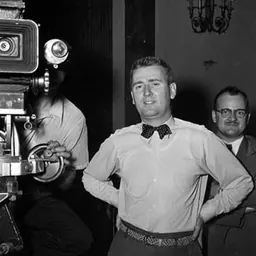
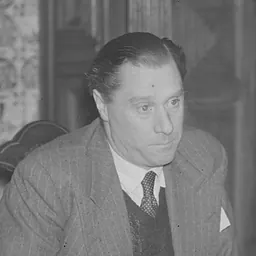


Related people
Same field, nearest in time
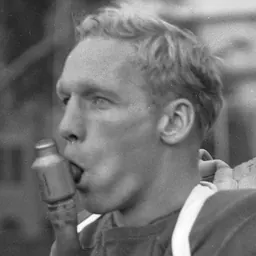

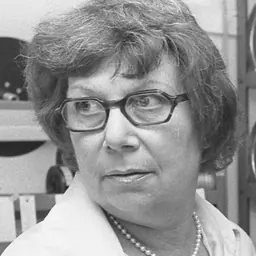

Contemporaries
People whose lives overlapped Fergus McDonell's





Frequently asked questions
Who was Fergus McDonell?
British film editor and film director (1910-1984)
When was Fergus McDonell born?
Fergus McDonell was born on 6 October 1910 in Royal Tunbridge Wells.
When did Fergus McDonell die?
Fergus McDonell died on 3 January 1984 in Norwich.
What was Fergus McDonell's occupation?
Fergus McDonell was a film editor, film director and director.
What nationality was Fergus McDonell?
Fergus McDonell was British.
Sources & further reading
Cite this page
APA: Biography.guide. (2026). Fergus McDonell. https://biography.guide/fergus-mcdonell/
MLA: "Fergus McDonell." Biography.guide, https://biography.guide/fergus-mcdonell/.
Chicago: "Fergus McDonell." Biography.guide. https://biography.guide/fergus-mcdonell/.
Data last updated: 2026-09-20 · Spot an error? Report a correction.
Page generated 2026-09-27 05:14 UTC