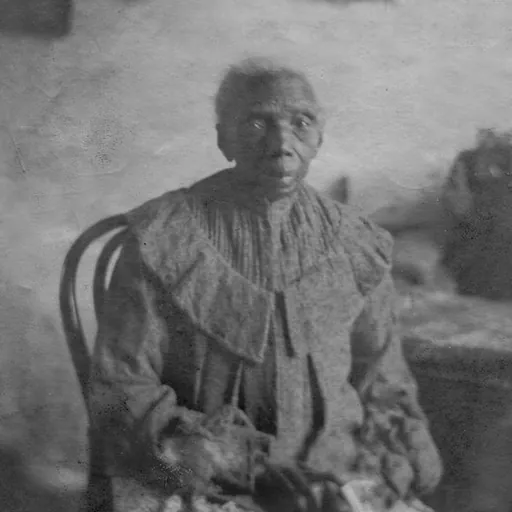
Felipa Larrea
Enslaved woman in Argentina
About Felipa Larrea
Lived 1810 – 1910 (aged 99). Felipa Larrea was an Argentine.
Felipa Larrea de Larrea (born 1 May 181018 January 1910) was an Afro-Argentine woman, widely considered to be the last surviving African slave from the colonial period in Argentina.
Early life Felipa Larrea was born on 1 May 1810, 24 days before the Revolución de Mayo, which triggered the Argentine War of Independence. Her father was an African American slave by the name of Juan Larrea, who had been bought by Spanish-born merchant and politician Juan Larrea, whose surname he bore. Felipa's mother was María Magdalena Rodríguez, an African slave born in Equatorial Guinea who had been in service of Don Patricio Salas.
As a girl, Felipa was bought by Justa Visillac de Rodríguez, wife of José Antonio Rodríguez. The Rodríguez family were members of the Basílica de Nuestra Señora de la Merced, the oldest Roman Catholic congregation in Buenos Aires. She was brought up in the Casa de Ejercicios Espirituales "Sor María Antonia de la Paz y Figueroa", in what is now the Buenos Aires neighbourhood of Constitución.
Freedwoman She served in the households of Valentín Díaz, Josefa Lavalle and Marcó del Pont, successively. She was, at some point early into her adulthood, declared a freedwoman. She continued to serve in domestic positions in various households of aristocratic families of Buenos Aires, such as that of Bernardino Rivadavia, first president of the Argentine Republic.
On 30 July 1833, she married Ignacio Sibile Larrea at the Parroquia de la Inmaculada Concepción, on Avenida Independencia. Ignacio Sibile Larrea, born in the Congo, had also been in the service of Juan Larrea, and had served as a cook for Juan Galo de Lavalle. The newlyweds were both married as freed citizens.
Sources differ on the exact number of children born to Felipa and Ignacio Sibile Larrea. The second national census, conducted in 1895, accounted for fourteen children, while a 1909 Caras y Caretas article numbered her offspring at 11. Ignacio died on 2 March 1869, aged 70, in their home on Chile 426.
Legacy In recent years, the memory of Felipa's life and times has been recalled by Afro-Argentine activist groups seeking to erase the pervailing idea of Argentina as a "white nation", wherein the Afro-Argentine population has disappeared. In 2022, the Deliberative Council of Cañuelas named a street after Felipa.
Don’t just read it —
keep it.
Full-length biographies made to live with: read them, listen on the way to work, watch them tonight.
- E-book
- Audio
- Video
Instant download · yours to keep · every purchase keeps this site free
Important facts
People in Felipa Larrea's life
Named in this biography and alive at the same time
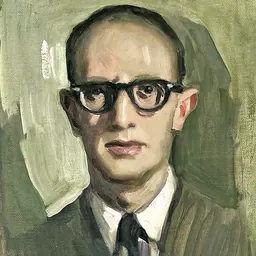
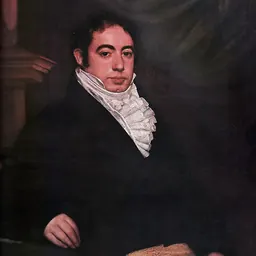

Contemporaries
People whose lives overlapped Felipa Larrea's






Frequently asked questions
Who was Felipa Larrea?
enslaved woman in Argentina
When was Felipa Larrea born?
Felipa Larrea was born on 1 May 1810 in Buenos Aires.
When did Felipa Larrea die?
Felipa Larrea died on 18 January 1910 in Cañuelas.
What nationality was Felipa Larrea?
Felipa Larrea was Argentine.
Sources & further reading
Cite this page
APA: Biography.guide. (2026). Felipa Larrea. https://biography.guide/felipa-larrea/
MLA: "Felipa Larrea." Biography.guide, https://biography.guide/felipa-larrea/.
Chicago: "Felipa Larrea." Biography.guide. https://biography.guide/felipa-larrea/.
Data last updated: 2026-09-22 · Spot an error? Report a correction.
Portrait: Wikimedia Commons · author & licence
Page generated 2026-09-27 05:03 UTC