
About Ernesto Sabato
Lived 1911 – 2011 (aged 99). Ernesto Sabato was an Argentine physicist, writer, painter, novelist, essayist and poet.
Complicity with the dictatorship of 1976–1983 On 19 May 1976, dictator Jorge Rafael Videla hosted a luncheon with a group of Argentine intellectuals, including Sabato, Jorge Luis Borges, Horacio Esteban Ratti, and priest Leonardo Castellani. Of all present, only Castellani referred to the disappearance of Haroldo Conti and asked about his situation. After the meal, Sabato stated:
Writer Osvaldo Bayer later argued that Sabato attempted to justify this meeting as concern for disappeared colleagues, a version denied by others.
This episode drew criticism, including from Bayer, who accused Sabato of "forming part of Argentine hypocrisy".
In 1979, Sabato published Apologías y rechazos, challenging censorship. On 12 August 1980, he was among 175 signatories in Clarín (newspaper) demanding information on the disappeared during the National Reorganization Process.
CONADEP After the dictatorship, Sabato chaired the National Commission on the Disappearance of Persons (CONADEP), which investigated human rights violations in Argentina between 1976 and 1983. The findings were compiled in Nunca Más, documenting disappearances, torture, and killings.
On 20 September 1984, Sabato presented the report to President Raúl Alfonsín. Human rights organizations organized a demonstration of approximately 70,000 people in support.
The report reflected the theory of the two demons:
The report contributed to the Trial of the Juntas. Sabato later condemned pardons granted in 1989.
Later years In his later writings, Sabato described himself as adhering to Christian anarchism.
Works Novels 1948: El túnel (Translated by Harriet de Onis in 1950 as The Outsider and again by Margaret Sayers Peden in 1988 as The Tunnel) 1961: Sobre héroes y tumbas (Translated by Helen R. Lane in 1981 as On Heroes and Tombs) 1974: Abaddón el exterminador (Translated by Andrew Hurley in 1991 as The Angel of Darkness)
Essays 1945: El concepto de temperatura en la termodinámica fenomenológica (The concept of temperature in phenomenological thermodynamics). Article in Revista de la Unión Matemática Argentina, Vol. X, N° 4 https://cai.org.ar/documento-cientifico-de-ernesto-sabato-en-la-biblioteca-del-cai/ 1945: Uno y el Universo (One and the Universe) 1951: Hombres y engranajes (Man and Mechanism) 1953: Heterodoxia (Heterodoxy) 1956: El caso Sabato. Torturas y libertad de prensa. Carta abierta al General Aramburu (The Sabato Case. Tortures and Liberty of Press. Open Letter to General Aramburu) 1956: El otro rostro del peronismo (The Other Face of Peronism) 1963: El escritor y sus fantasmas (Translated by Asa Zatz in 1990 as The Writer in the Catastrophe of our Time.) 1963: Tango, discusión y clave (Tango: Discussion and Key) 1967: Significado de Pedro Henríquez Ureña (Significance of Pedro Henríquez Ureña) 1968: Tres aproximaciones a la literatura de nuestro tiempo: Robbe-Grillet, Borges, Sartre (Three Approximations to the Literature of our Time: Robbe-Grillet, Borges, Sartre) 1973: La cultura en la encrucijada nacional (Culture in the National Crossroads) 1976: Diálogos con Jorge Luis Borges (Dialogues with Jorge Luis Borges) (Edited by Orlando Barone) 1979: Apologías y rechazos (Apologies and Rebuttals) 1979: Los libros y su misión en la liberación e integración de la América Latina (Books and their Mission in the Liberation and Integration of Latin America) 1988: Entre la letra y la sangre. Conversaciones con Carlos Catania (Between Letter and Blood. Conversations with Carlos Catania) 1998: Antes del fin (Before the End) Antes del fin is an autobiography in which he recounts his life and the influences on his political and ethical opinions. Sabato discusses the ill effects of globalization and the exalting of rationalism and materialism. There are also several tender passages about his school experiences in the 1920s (when there was more idealism, Sabato says), about his deceased wife and son, Matilde and Jorge, and about the struggling workers he meets on the streets of Buenos Aires. 2000: La resistencia (The Resistance) 2004: España en los diarios de mi vejez (Spain in the Diaries of my Old Age)
Others 1964: Itinerario (Itinerary) 1966: Romance de la muerte de Juan Lavalle. Cantar de Gesta (Romance of Juan Lavalle's Death. Cantar de gesta) 1984: Nunca más. Informe de la Comisión Nacional sobre la desaparición de personas (Never Again. Report from the National Commission on the Disappearance of Persons)
Tribute On 24 June 2019, on Sabato's 108th birthday, he was honored with a Google Doodle.
Don’t just read it —
keep it.
Full-length biographies made to live with: read them, listen on the way to work, watch them tonight.
- E-book
- Audio
- Video
Instant download · yours to keep · every purchase keeps this site free
Important facts
Family & relationships
People in Ernesto Sabato's life
Named in this biography and alive at the same time
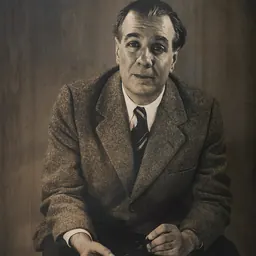

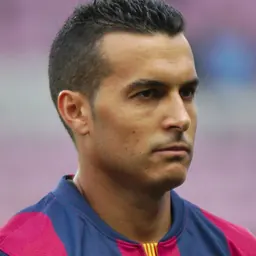
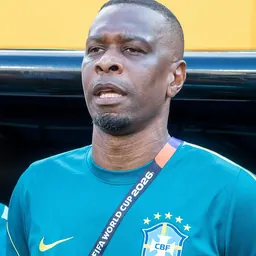




Related people
Same field, nearest in time
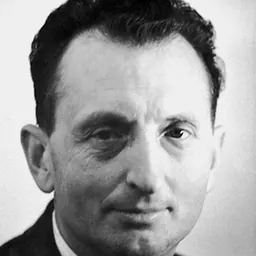


Contemporaries
People whose lives overlapped Ernesto Sabato's






Frequently asked questions
Who was Ernesto Sabato?
Argentine writer, painter and physicist (1911-2011)
When was Ernesto Sabato born?
Ernesto Sabato was born on 24 June 1911 in Caucete.
When did Ernesto Sabato die?
Ernesto Sabato died on 30 April 2011 in Santos Lugares.
What was Ernesto Sabato's occupation?
Ernesto Sabato was a physicist, writer, painter, novelist, essayist and poet.
What nationality was Ernesto Sabato?
Ernesto Sabato was Argentine.
Sources & further reading
Cite this page
APA: Biography.guide. (2026). Ernesto Sabato. https://biography.guide/ernesto-sabato/
MLA: "Ernesto Sabato." Biography.guide, https://biography.guide/ernesto-sabato/.
Chicago: "Ernesto Sabato." Biography.guide. https://biography.guide/ernesto-sabato/.
Data last updated: 2026-09-20 · Spot an error? Report a correction.
Page generated 2026-09-27 05:33 UTC