
About Emanoil Bucuța
Lived 1887 – 1946 (aged 59). Emanoil Bucuța was a Romanian opinion journalist, poet, bibliographer, ethnographer and writer.
Emanoil Bucuța (born Emanoil Popescu; 27 June 1887 – 7 October 1946) was a Romanian prose writer, poet, cultural official, and Corresponding Member of the Romanian Academy.
Early life and education Bucuța was born in Bolintin-Deal, Giurgiu County to Ioniță Popescu, a butler, and his wife Rebeca-Elena (née Bucuța). After moving to Bucharest, he graduated from Saint Sava High School in 1907, followed by a degree in German Studies from the University of Bucharest in 1911. He began his doctoral studies at the University of Berlin in 1912, but was forced to drop out after 1913 due to lack of funds.
As a writer Bucuța made his prose publishing debut in 1903, in Universul ilustrat (a supplement to Universul newspaper).
His first published volume was a book of poetry, Florile inimii ("Flowers of the Heart", 1920). Literary critic George Călinescu remarked: "[Bucuța] is the first intimist in the proper sense of the word, a poet who sings of his small domestic universe".
He published three novels: Fuga lui Șefki ("Șefki's Escape", 1927; winner of the Romanian Writers' Society prize in 1928); Maica Domnului de la mare ("Our Lady of the Sea", 1930) and Capra neagră ("The Black Goat", 1938).
Bucuța was editor-in-chief of two cultural magazines, Graiul românesc (from 1927–1929) and Boabe de grâu (from 1930–1934). His work was also published in several other journals, including Drum drept, Ideea Europeană, Gândirea, Ramuri, and Viața Românească.
While a student in Berlin, he kept a diary, which was posthumously published as Mozaic in 2004. He also published a volume about ethnic Romanians outside of Romania, Românii dintre Vidin și Timoc ("Romanians between Vidin and Timok", 1923). His magazine Boabe de grâu was mainly focused on cultural pluralism within and outside of Romania's borders, a recurring theme in his work.
Bucuța also acted as a translator. He translated Japanese writer Kakuzō Okakura's the Book of Tea (1906) from English to Romanian in 1926. He also translated poetry by Goethe and Russian popular verse. from 1931 to 1944.
Don’t just read it —
keep it.
Full-length biographies made to live with: read them, listen on the way to work, watch them tonight.
- E-book
- Audio
- Video
Instant download · yours to keep · every purchase keeps this site free
Important facts
People in Emanoil Bucuța's life
Named in this biography and alive at the same time
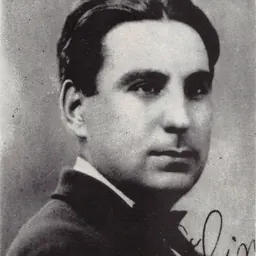
Related people
Same field, nearest in time
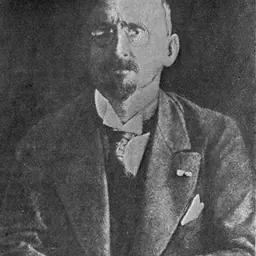
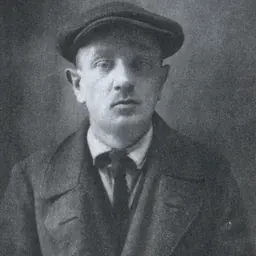
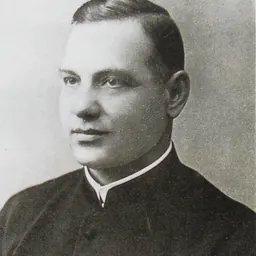


Contemporaries
People whose lives overlapped Emanoil Bucuța's






Frequently asked questions
Who was Emanoil Bucuța?
Romanian prose writer and poet (1887-1946)
When was Emanoil Bucuța born?
Emanoil Bucuța was born on 27 June 1887 in Bolintin-Deal.
When did Emanoil Bucuța die?
Emanoil Bucuța died on 7 October 1946 in Bucharest.
What was Emanoil Bucuța's occupation?
Emanoil Bucuța was an opinion journalist, poet, bibliographer, ethnographer and writer.
What nationality was Emanoil Bucuța?
Emanoil Bucuța was Romanian.
Sources & further reading
Cite this page
APA: Biography.guide. (2026). Emanoil Bucuța. https://biography.guide/emanoil-bucuta/
MLA: "Emanoil Bucuța." Biography.guide, https://biography.guide/emanoil-bucuta/.
Chicago: "Emanoil Bucuța." Biography.guide. https://biography.guide/emanoil-bucuta/.
Data last updated: 2026-09-26 · Spot an error? Report a correction.
Page generated 2026-09-27 05:15 UTC