
About Dietmar Rothermund
Lived 1933 – 2020 (aged 87). Dietmar Rothermund was a German historian, university teacher and indologist.
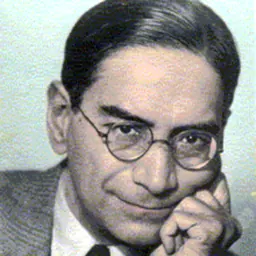
Dietmar Otto Ernst Rothermund (20 January 1933 in Kassel 9 March 2020 in Dossenheim ) was a German historian and professor of the history of South Asia at the Ruprecht-Karls University in Heidelberg. He is considered an important representative of modern German historical scholarship. Although he began his academic career as an Americanist, he eventually became a notable figure in the German historiography of South Asia. He helped to lay the foundations for South Asian Studies in Germany and Europe.
Childhood and youth Dietmar Rothermund was interested in India and its culture from an early age on. He read the early Indian philosophical Upanishad texts at a young age and made a map of India's most important temples while still at school. A few years before his Abitur, Rothermund wrote a letter to Jawaharlal Nehru, the then Prime Minister of India.
Academic career Rothermund studied history and philosophy in Marburg, Munich and Philadelphia. He received his doctorate in the US in 1959 with a thesis on US social history. With the help of a Fulbright scholarship, he was able to study in Pennsylvania and write his dissertation there at the age of 26, entitled: The Layman's Progress. Religious and Political Experience in Colonial Pennsylvania. 1740-1770. It dealt with the "growing politicisation of denominational groups in Pennsylvania in the late colonial period and in the run-up to American independence". It gained a great deal of attention in the USA and England up to the present day. Not for nothing was it published by Oxford University Press in 1962 and Cambridge University Press in 1963. Between 1961 and 2020, a total of 17 editions were published at the University of Pennsylvania. In 1963 Rothermund became a research assistant to the Chair of History at the South Asia Institute in Heidelberg. in 1968, he was appointed Chair of the History of South Asia at the South Asia Institute. He held the professorship until his retirement in 2001 and was the executive director of the South Asia Institute for a total of 15 years.
Research and focal points
Passage to India 1960–1963 Through his successful dissertation, Rothermund seemed to be on the direct path to becoming a specialist in American history, but thanks to a grant from the German Research Foundation (GRF), which allowed him to spend three years in India, Rothermund decided to devote his research to South Asia. He arrived in Bombay (today's Mumbai) on a freighter in mid-January 1960 and was immediately impressed by the diverse culture of South Asia. He established some contacts with research colleagues in the Indian National Archives and reports in his last publication on encounters with 135 Indian political, cultural and scientific personalities since 1961, which addressed the Soviet development aid, mutual trade relations, the China-India-Soviet triangular relationship, the relationship of Indian communists in Moscow and the stability of India and Pakistan.
Economic history
Economic history gripped Rothermund between the early 1980s and the 1990s. As this topic was one of the main focuses of Rothermund's research, he wrote several monographs and anthologies on it.
The book India: The Rise of an Asian Giant, was culmination of his studies in this field. In this monograph, Rothermund describes India's enormous economic and political potential and proves this on the basis of India's "stable democracy" and its highly motivated middle class.
Agricultural system of India in colonial times In the course of his habilitation, Rothermund dealt with India's agricultural system in colonial times. which strengthened his international reputation.
Study on the global economic crisis Rothermund's work The Global Impact of the Great Depression 1929-1939, describes his studies of the Great Depression, with chapters on China, Southeast Asia and Latin America. Rothermund focused on the impact of the economic crisis on India and its inhabitants. Rothermund, together with his colleague Hermann Kulke, created standard work, which has been translated into Italian, Turkish, Romanian and Chinese. First published in German in 1982, the work was translated into English in 1986 and became very successful in both languages. Many more editions were to follow, including, for example, Geschichte Indiens. Von der Induskultur bis heute (engl. History of India. From the Indus Culture to the Present), or Geschichte Indiens. Vom Mittelalter bis zur Gegenwart (engl. History of India. From the Middle Ages to the Present).
Assessments of contemporary India India's contemporary history was also part of Rothermund's multifaceted studies. In 1996, he published the volume Liberalising India. Progress and Problems, which was based on a conference he organised at the Nehru Memorial Library in Delhi, attended by many senior Indian government officials. Rothermund describes the development of the conflict between India and Pakistan from the beginning through the partition of British India in 1947 and the impact of contemporary events such as 9/11.
Indo-German cultural relations Dietmar Rothermund was extremely keen on strengthening and consolidating the relationship between India and Germany. This was reflected in his publications which includes Rabindranath Tragore in Germany, where he captures the euphoria of the 1920s in Germany for India, which arose through the visits of the great Bengali and Gandhian Rabindranath Tragore. Furthermore, his biography on Mahatma Gandhi and his India Handbook both kept alive the knowledge about India and one of its most important personalities in Germany. The handbook was written by several authors and provides important basic knowledge about modern India.
Studies beyond South Asia The historian from Heidelberg did not limit himself to South Asian studies alone, he also focused on topics related to colonial history and Asia in general. One of his works on this field is Asian Trade and European Expansion in the Age of Mercantilism, which can also be subsumed to his research focus on economic history. On the subject of colonial history, he produced the world-historical volume The Routledge Companion to Decolonization in 2006. In this book the decolonisation processes in Africa, Asia, the Caribbean and the Pacific are described in individual chapters, which are presented chronologically and clearly with maps.
Criticism Due to the larger audience, Rothermund switched to English quite early when it came to publishing his works. His publications mostly relied exclusively on English sources, which, according to some critics, promoted a pro-government interpretation and ignored indigenous perspectives. For the vast majority, however, this was a loss to be borne, considering the frequency with which he wrote and published.
The South-Asia Institute in Heidelberg (SAI) Rothermund had close ties to the South Asia Institute in Heidelberg. Almost his entire academic career took place at the then still young South Asia Institute, which had just been founded by Werner Conze. Under Rothermund's leadership, the Institute developed rapidly, and shortly after Rothermund's retirement in 2001, the SAI was considered the leading centre for South Asian studies in Germany and also one of the leading institutes in this field worldwide. The important role Rothermund played for the SAI becomes clear with the joking name of "Dietmar's Institute", which colleagues liked to use frequently.
European Association of South Asian Studies (EASAS) The EASAS emerged from a small conference organised by the Heidelberg South Asia Institute in Bad Herrenalb in 1966. The first official meeting of the European Conference of Modern South Asian Studies took place in Cambridge in 1968. EASAS developed into one of the most important European associations of its kind. Since the first meeting in Würzburg in 1980, the "Arbeitskreis außereuropäischer Geschichte" (AAG) (engl. Working Group on Non-European History) met regularly during the Historikertage. In October 1988, the German Historians' Congress decided at its 37th session that non-European history should become a major topic in German historical scholarship. At the Historikertag in Aachen in 2000, Rothermund achieved official recognition of the AAG by German historians. These developments resulted in the Periplus. Jahrbuch außereuropäischer Geschichte, which addressed colonial history and the history of the world outside the West. Thus the topics of discussion (as of 30.06. 2000) were "India" (1990), "Pakistan" (1991), "Bangladesh" (1992), "Nepal and the Himalayan Region" (1933), "Sri Lanka" (1994), "German Cooperation with South Asia" (1995), "Food Security in South Asia" (1996), "50 Years of Independent South Asia: Awakening, Change, Future Prospects" (1997) and "The Southeast Asian Economic Crisis - Diagnoses, Therapies and Implications for South Asia" (1998). In Dietmar Rothermund, the foreign students in particular, had an important comrade-in-arms, because the doctoral regulations at the time stipulated that the dissertation had to be written in German or Latin. Rothermund usually succeeded in making an English dissertation possible, although a special application had to be made for it.
Recognition 1988: Fellow of the Royal Historical Society in London 2011: Indo-German Society's Rabindranath Tagore Cultural Award
Publications Rothermund's publications are published in his Festschrift, which was edited by, Georg Berkemer, Tilman Frasch, Hermann Kulke and Jürgen Lütt. All works after 2001 are taken from the catalog of the German National Library.
Monographs 1961
The Layman’s Progress. Religious and Political Experience in Colonial Pennsylvania. 1740-1770, Philadelphia: Univ. of Philadelphia Press.
1964
Studien zur Entwicklung in Süd- und Ostasien: Neue Folge, Frankfurt/Main/Berlin (Schriften des Instituts für Asienkunde in Hamburg 16): Metzner.
1965
Die politische Willensbildung in Indien 1900-1960, Wiesbaden (Schriftenreihe des Südasieninstituts der Universität Heidelberg 1): Harrassowitz.
1967
Der Freiheitskampf Indiens, 2. Auflage, Stuttgart (Quellen und Arbeitshefte zur Geschichte und Gemeinschaftskunde 4251): Klett.
1968
Indien und die Sowjetunion, Tübingen (Forschungsberichte und Untersuchungen zur Zeitgeschichte 23): Boehlau.
1970
The Phases of Indian Nationalism and Other Essays, Bombay: Nachiketa Publications.
1976
Grundzüge der indischen Geschichte, Darmstadt: Wissenschaftliche Buchgesellschaft.
1978
Europa und Asien im Zeitalter des Merkantilismus, Darmstadt (Erträge der Forschung 80): Wissenschaftliche Buchgesellschaft. Government, Landlord and Peasant in India. Agrarian Relations under British Rule. 1865-1935, Wiesbaden (Schriftenreihe des Südasieninstituts der Universität Heidelberg 25): Steiner.
1979
Fünfmal Indien, München (3rd rev. ed. München 1990): Piper.
1980
Indien, Photos: Ursula und Willi Dolder, Text: Dietmar Rothermund, Luzern (2nd ed. Frankfurt am Main 1995): Bucher.
1981
Asian Trade and European Expansion in the Age of Mercantilism, New Delhi: Manohar.
1982
Geschichte Indiens (together with Hermann Kulke), Stuttgart (2nd ed. München 1998): Kohlhammer. India, Photographs by Ursula and Willi Dolder, Text by Dietmar Rothermund, London: Bucher. Indische Geschichte vom Altertum bis zur Gegenwart: Literaturbericht über neuere Veröffentlichungen (together with Hermann Kulke et al.), München (Historische Zeitschrift, Sonderheft 10): Oldenbourg.
1983
The Indian Economy Under British Rule and Other Essays, New Delhi: Manohar.
1984
Gebrauchsanweisung für Indien, München: Piper.
1985
Indiens wirtschaftliche Entwicklung: Von der Kolonialherrschaft bis zur Gegenwart, Paderborn: Schöningh.
1986
A History of India (together with Hermann Kulke), London/Sidney/Totowa: Barnes & Noble Books. The German Intellectual Quest for India, New Delhi: Manohar.
1988
An Economic History of India. From Pre-colonial Times to 1986. London/New York/New Delhi (2nd ed. 1993): Croom Helm. Buchers Indien: Tempel und Legenden, Photos: Jenner Zimmermann, Text: Dietmar Rothermund, München: Bucher.
1989
Indische Geschichte in Grundzügen, Darmstadt. (1st ed.: Grundzüge der indischen Geschichte, Darmstadt 1976): Wissenschaftliche Buchgesellschaft. Mahatma Gandhi. Der Revolutionär der Gewaltlosigkeit. Eine politische Biographie, München 1989. München (2nd ed.: Mahatma Gandhi. Eine politische Biographie, München 1997): Piper.
1991
Mahatma Gandhi: An Essay in Political Biography, New Delhi (Perspectives in History 5; 2nd ed. 1998): Manohar. Storia dell´India (together with Hermann Kulke), trsl. M. Cristiani, Milano: Garzanti.
1992
Die Welt in der Wirtschaftskrise, 1929-1939, Münster etc. (Periplus Texte 1): Lit. India in the Great Depression, 1929-1939, New Delhi (Perspectives in History 6): Manohar.
1993
An Economic History of India. From Pre-colonial Times to 1991. London (1st ed. 1988): Routledge. Staat und Gesellschaft in Indien, Mannheim etc. (Meyers Forum 15): BI-Taschenbuchverlag.
1994
Geschichte als Prozess und Aussage: Eine Einführung in Theorien des historischen Wandels und der Geschichtsschreibung, München: Oldenbourg.
1996
The Global Impact of the Great Depression, 1929-1939, London/New York: Routledge.
1997
A History of India (together with Hermann Kulke), London/New York (1st ed. London/Sydney 1986): Routledge. Mahatma Gandhi. Eine politische Biographie, München (Bek’sche Reihe 1218: 1st ed.: Mahatma Gandhi. Der Revolutionär der Gewaltlosigkeit. Eine politische Biographie, München 1989): C.H. Beck.
1998
Delhi, 15. August 1947. Das Ende kolonialer Herrschaft, München (20 Tage im 20. Jahrhundert): Dt. Taschenbuchverlag. Geschichte Indiens. Von der Induskultur bis heute, München (2nd ed.): C.H. Beck.
2000
Was kann Indien uns lehren, Berlin: Lotos.
2002
Krisenherd Kaschmir: Der Konflikt der Atommächte Indien und Pakistan, München: C.H. Beck. Geschichte Indiens: Vom Mittelalter bis zur Gegenwart, München: C.H. Beck. Atommacht Indien: Von der Bündnisfreiheit zur amerikanischen Allianz, Wien: Picus.
2004
Der indische Ozean: Das afro-asiatische Meer als Kultur- und Wirtschaftsraum, Wien: Promedia.
2006
The Routledge Companion to Decolonization, London: Routledge.
2008
Indien: Aufstieg einer asiatischen Weltmacht, München: C.H. Beck. India. The Rise of an Asian Giant, London: Yale University Press.
2009
Quo vadis Asien?: China, Indien, Russland, Mittlerer Osten und Zentralasien im globalen Kontext, Schwalbach am Taunus: Wochenschau-Verlag.
2010
Gandhi und Nehru: zwei Gesichter Indiens, Stuttgart: Kohlhammer.
2011
Gandhi: der gewaltlose Revolutionär, München: C.H. Beck.
2015
Historische Horizonte, Baden-Baden: Nomos. Erinnerungskulturen post-imperialer Nationen, Baden-Baden: Nomos.
2016
Aspects of Indian and Global History: a Collection of Essays, Baden-Baden: Nomos.
2019
The Industrialization of India, Baden-Baden: Nomos.
2020
My Encounters in India, Delhi: Primus-Books.
Edited works 1961
Rabindranath Tragore in Germany: A Cross-Selection of Contemporary Reports, New Delhi: Max Mueller Bhavan publications.
1969
Mahatma Gandhi 1869-1969 (together with Eberhard Jäckel et al.), Bonn: Inter Nationes.
1973
South Asia Institute: The First Decade, 1962-1972 (together with A. K. Ray), Heidelberg (Bulletin of South Asia Institute of Heidelberg University 1973).
1975
Islam in Southern Asia: A Survey of Current Research, Wiesbaden 1975 (Beiträge zur Südasien-Forschung 16): Steiner.
1978
Zamindars, Mines and Peasants: Studies in the History of an Indian Coalfield and Its Rural Hinterland (together with D.C. Wadhwa), New Delhi (South Asian Studies 9a and Dhanbad Research Project 1): Manohar.
1980
Urban Growth and Rural Stagnation (together with Erhard Kropp and Gunther Dienemann), New Delhi (South Asian Studies 9b; Dhanbad Research Project 2): Manohar.
1983
Die Peripherie in der Weltwirtschaftskrise: Afrika, Asien und Lateinamerika 1929-1939. Paderborn (Sammlung Schoeningh zur Geschichte und Gegenwart): Schoeningh.
1984
South Asia Institute: The Second Decade (together with Siegfried Schwertner), Heidelberg (Bulletin of the South Asia Institute of Heidelberg University 1983/84).
1985
Regionale Tradition in Südasien (Together with Hermann Kulke), Stuttgart (Beiträge zur Südasien-Forschung 104): Steiner.
1986
Education and the Integration of Ethnic Minorities. Papers presented at a workshop held at Bad Homburg, Germany 3.-6.6. 1984 (together with John Simon), London/New York (A Publication of the International Centre for Ethnic Studies): Pinter.
1990
Erste Heidelberger Südasiengespräche, Stuttgart (Beiträge zur Südasien-Forschung 135): Steiner.
1991
Emporia, Commodities and Entrepreneurs in Asian Maritime Trade, C. 1400-1750 (together with Roderich Ptak), Stuttgart (Beiträge zur Südasien-Forschung 141): Steiner. Periplus 1991. Jahrbuch für außereuropäische Geschichte 1 (in cooperation with Willi Paul Adams et al.), Münster: Lit. Regional Disparities in India: Rural and Industrial Dimensions (together with Suranjit K. Saha), New Delhi (Proceedings of the 10th European Conference on Modern South Asia Studies 2): Manohar.
1992
Nationalstaat und Sprachkonflikte in Süd- und Südostasien (together with Dagmar Hellmann-Rajanayagam), Stuttgart (Beiträge zur Südasien-Forschung 149): Steiner. Periplus 1992. Jahrbuch für außereuropäische Geschichte 2 (in cooperation with Willi Paul Adams et al.), Münster: Lit.
1993
Periplus 1993. Jahrbuch für außereuropäische Geschichte 3 (in cooperation with Willi Paul Adams et al.), Münster: Lit. South Asia Institute: The Third Decade (together with Siegfried Schwertner), Heidelberg (Bulletin of the South Asia Institute of Heidelberg University 1985/92).
1994
Periplus 1994. Jahrbuch für außereuropäische Geschichte 4 (in cooperation with Willi Paul Adams et al.), Münster: Lit.
1995
Indien: Kultur, Politik, Wirtschaft, Umwelt. Ein Handbuch, München: C.H. Beck. Our Laws. Their Lands: Land Use in Modern Colonial Societies (together with Jap de Moor), Münster (Periplus Parerga 2): Lit. Periplus 1995. Jahrbuch für außereuropäische Geschichte 5 (in cooperation with Willi Paul Adams et al.), Münster: Lit.
1996
Liberalising India. Progress and Problems, New Delhi (South Asian Studies 29): Manohar. Periplus 1996. Jahrbuch für außereuropäische Geschichte 6 (in cooperation with Willi Paul Adams et al.), Münster: Lit.
1997
Legitimacy and Conflict in South Asia (together with Subrata K. Mitra), New Delhi: Manohar. Periplus 1997. Jahrbuch für außereuropäische Geschichte 7 (in cooperation with Willi Paul Adams et al.), Münster: Lit.
1998
Periplus 1998. Jahrbuch für außereuropäische Geschichte 8 (in cooperation with Willi Paul Adams et al.), Münster: Lit.
1999
Aneignung und Selbstbehauptung. Antworten auf die europäische Expansion, München: Oldenbourg. Periplus 1999. Jahrbuch für außereuropäische Geschichte 9 (in cooperation with Willi Paul Adams et al.), Münster: Lit.
Articles 1959
"Political Factions and the Great Awakening", Pennsylvania History 24, p. 4ff.
1960
"The German Problem of Colonial Pennsylvania", Pennsylvania Magazine of History and Biography, 84, p. 1ff. "The Punjab Press and Non-Cooperation in 1920", Indian History Congress. Proceedings of the 23rd Session, Aligarh, p. 39–47.
1961
"Reform and Repression, 1907-1910", Indian History Congress. Proceedings of the 24th Session, Delhi 1961, p. 127–139.
1962
"Bewegung und Verfassung. Eine Untersuchung der politischen Willensbildung in Indien, 1900-1950", Vierteljahreshefte für Zeitgeschichte 10, p. 126–148. "Constitutional Reforms versus National Agitation in India, 1900-1950", Journal of Asian Studies 21, p. 505–522.
1963
"Lee Kuan Yew, der Gegenspieler in Singapur", Indo-Asian 5, p. 326–230. "Nationenbildung in Indien", Vierteljahreshefte für Zeitgeschichte 11, p. 392–403.
1964
"Indonesien und die Weltpolitik", Studien zur Entwicklung in Süd- und Ostasien, Neue Folge Pt. 3., Frankfurt am Main (Schriften des Instituts für Asienkunde in Hamburg 16), p. 1–28.
1965
"Die Rolle der westlichen Bildungsschicht in den politischen Massenbewegungen in Indien im 20. Jahrhundert", XXI Congrés International des Sciences Historiques, Rapport II. p. 163–176. "Friedrich Schlegel and the Wisdom of India", in: Heima Rau (ed.), South Asian Studies, New Delhi (Max Müller Bhavan Publications 2), p. 1–18. "Three Systems of Higher Education: India, Germany, U.S.A.", Yearbook of the Max Müller Bhavan, New Delhi, p. 17–36.
1966
"Die historische Analyse des Bodenrechts als eine Grundlage für das Verständnis gegenwärtiger Agrarstrukturprobleme, dargestellt am Beispiel Indiens", in: Jahrbuch des Südasien-Instituts der Universität Heidelberg, 1966, p. 149–166. "Nehru and Early Indian Socialism", in: S.N. Mukherjee (ed.), South Asian Affairs II. The Movements for National Freedom in India, Oxford (St. Anthony's Papers 18), p. 98–111.
1967
"Geschichtswissenschaft und Entwicklungspolitik", Vierteljahreshefte für Zeitgeschichte 15, p. 325–340. "The Bengal Tenancy Act of 1885 and ist Impact on Legislation in other Provinces", Bengal Past and Present 86, p. 90–105.
1968
"Emancipation or Re-Integration. The Politics of Gopal Krishna Gokhale and Herbert Hope Risley", in: D. A. Low (ed.), Soundings in Modern South Asian History, London, p. 131–158. "Indien im wechselnden Urteil der Sowjetunion" Außenpolitik 19, p. 437–446. "Indien und die Sowjetunion. Handelbeziehungen und Entwicklungshilfe", Indo-Asia 2, p. 247–260. "Süd- und Südostasien", Internationale Politik 1962, p. 335–368. "Südasien-Zentren an amerikanischen Universitäten", Indo-Asia 10, p. 174–182.
1969
"Chinas Einfluss in den Randgebieten Südasiens" Internationale Politik 1963, p. 401–405. "Die Begrenzte Neuorientierung Pakistans in der internationalen Politik" Internationale Politik 1963, p. 417–422. "Die Grenzkonflikte Indiens und ihre Folgen für die Bündnisfreiheit" Internationale Politik 1963, p. 405–416. "Gandhi als Phänomen der indischen Politik", in: Aus Politik und Zeitgeschichte. Beilage zur Wochenzeitung "Das Parlament" 10, p. 3–13. "Gandhi als schöpferischer Politiker" in: Dietmar Rothermund et al. (eds.), Mahatma Gandhi 1869-1969, Bonn, p. 7–14 "Government, Landlord and Tenant in India, 1875-1900", Indian Economic and Social History Review 6, p. 351–367. "India and the Soviet Union" Annals of the American Academy of Political and Social Sciences 386, p. 78–88.
1970
"Bewegung und Verfassung. Eine Untersuchung der politischen Willensbildung in Indien, 1900-1950", in: Rudolf von Albertini (ed.), Moderne Kolonialgeschichte, Köln, p. 365–388. "Constitutional Reforms versus National Agitation in India, 1900–1950" in: Dietmar Rothermund (ed.), The Phases of Indian Nationalism and Other Essays, Bombay, p. 116–143. "Die historische Analyse des Bodenrechts als eine Grundlage für das Verständnis gegenwärtiger Agrarstrukturprobleme dargestellt am Beispiel Indiens", in: Rudolf von Albertini (ed.), Moderne Kolonialgeschichte, Köln, p. 293–309. "Emancipation or Re-Integration. The Politics of Gopal Krishna Gokhale and Herbert Risley", in: Dietmar Rothermund (ed.), The Phases of Indian Nationalism and Other Essays, Bombay, p. 26–56. "Ideologie und Machtkämpfe in Asien", Internationale Politik 1964–1965, p. 4–20. "Impediments to 'Development from Below' in India's Economic History", Asian and African Studies 6, p. 47–73. "Impediments to 'Development from Below' in India's Economic History", in: Dietmar Rothermund (ed.), The Phases of Indian Nationalism and Other Essays, Bombay, p. 221–248. "Impediments to 'Development from Below' in India's Economic History", in: Martin Rudner (ed.), Society and Development in Asia, Jerusalem, p. 47–73. "India’s Silver Currency. An Aspect of Monetary Policy of British Imperialism", Indian Economic and Social History Review 7, p. 351–367. "India’s Silver Currency. An Aspect of Monetary Policy of British Imperialism", in: Dietmar Rothermund (ed.), The Phases of Indian Nationalism and Other Essays, Bombay, p. 249–266. "Nehru and Early Indian Socialism", in: Dietmar Rothermund (ed.), The Phases of Indian Nationalism and Other Essays, Bombay, p. 65–80. "Political Factions and the Great Awakening", in: D. B. Rutman (ed.), The Great Awakening, New York. "Reform and Repression, 1907-1910", in: Dietmar Rothermund (ed.), The Phases of Indian Nationalism and Other Essays, Bombay, p. 83–92. "The Bengal Tenancy Act of 1885 and ist Impact on Legislation in other Provinces", in: Dietmar Rothermund (ed.), The Phases of Indian Nationalism and Other Essays, Bombay, p. 197–217. "The Punjab Press and Non-Cooperation in 1920", in: Dietmar Rothermund (ed.), The Phases of Indian Nationalism and Other Essays, Bombay, p. 93–103. "The Role of the Western Educated Elite in Political Mass Movements in India in the 20th Century", in: Dietmar Rothermund (ed.), The Phases of Indian Nationalism and Other Essays, Bombay, p. 144–162. "Traditionalism and Socialism in Vivekananda’s Thought", Quest 67, p. 34–38. "Traditionalism and Socialism in Vivekananda’s Thought", in: Dietmar Rothermund (ed.), The Phases of Indian Nationalism and Other Essays, Bombay, p. 57–64.
1971
"Süd- und Südostasien", Internationale Politik 58–60, p. 787–842. "The Record of Rights in British India", Indian Economic and Social History Review 8, p. 443–461.
1972
"Marginalität und Elite in Entwicklungsländern", Die Dritte Welt 1, p. 15–22.
1973
"Freedom of Contract and the Problem of Land Alienation in British India", South Asia 3, p. 57–78. "Impediments to 'Development from Below' in India's Economic History", in: Kulturabteilung der Deutschen Botschaft New Delhi (ed.), German Scholars on India, New Delhi (Contributions in Indian Studies 1), p. 245–267. "Max Müller and India’s Quest for a National Past", in: Heimo Rau (ed.), Max Müller: 150th Birth Anniversary, Bombay (Dialogue 1972/73), p. 53–62.
1974
"Nationalismus und Staatsbildung in Indien", in: Theodor Schieder (ed.), Staatsgründungen und Nationalitätsprinzip, München (Studien zur Geschichte des neunzehnten Jahrhunderts 7), p. 153–160. "Probleme der deutsch-indischen Kulturbeziehungen", Indo-Asia 16, p. 26–35. "Akkulturation und Herrschaft in Indien", Zeitschrift für Kulturaustausch 24(4), p. 42–46.
1975
"Indiens Verhältnis zu seiner Geschichte", Indo-Asia 17, p. 41–50. "Regionale Schwerpunkte in der indischen Geschichte", Indo-Asia 17, p. 249–260.
1976
"Gebundene Gesellschaft: Soziale Schichtung und Emanzipation in Indien", in: U. Engelhardt (ed.), Soziale Bewegung und politische Verfassung, Stuttgart, p. 394–414. "Koloniales Erbe und Wirtschaftsentwicklung in Indien", Indo-Asia 18, p. 140–146. "The Land Revenue Problem in British India", Bengal Past and Present 97, p. 210–226.
1977
"A Survey of Rural Migration and Land Reclamation in British India, 1885", Journal of Peasant Studies 4, p. 230–242.
1978
"Europe and Asia in the Age of Mercantilism", Yearbook of the Max Müller Bhavan 1978, New Delhi, p. 87–96. "Nationalismus und sozialer Wandel in der Dritten Welt – 12 Thesen", in: Otto Dann (ed.), Nationalismus und sozialer Wandel, Hamburg, p. 187–208. "Recent Work on Indian History in the Federal Republic of Germany", Yearbook of the Max Müller Bhavan 1978, New Delhi, p. 81–86. "Tenancy Legislation for Chota Nagpur: The Emphasis on Executive Protection", in: Dietmar Rothermund and D. C. Wadhwa (eds.), Zamindars Mines and Peasants: Studies in the History of an Indian Coalfield and It’s Rural Hinterland, New Delhi (South Asian Studies 9a; Dhanbad Research Project 1), p. 69–83. "The Coalfield: An Enclave in a Backward Region", in: Dietmar Rothermund and D. C. Wadhwa (eds.), Zamindars, Mines and Peasants: Studies in the History of an Indian Coalfield and Ist Rural Hinterland, New Delhi (South Asian Studies 9a; Dhanbad Research Project 1), p. 1–20.
1979
"Traditionalism and National Solidarity in India", in: R.J. Moore (ed.), Tradition and Politics in South Asia, New Delhi, p. 191–197.
1980
"Epilogue: Urban Growth and Rural Stagnation", in: Dietmar Rothermund, Erhard Kropp, Gunther Dienemann (eds.), Urban Growth and Rural Stagnation, New Delhi (South Asian Studies 9b; Dhanbad Research Project 2), p. 453–463. "The Great Depression and British Financial Policy in India, 1929-1934", The Indian Economic and Social History Review 17.
1981
"British Foreign Trade Policy in India during the Great Depression, 1929-1939", Indian Economic and Social History Review 18, p. 349–376. "Indiens Zukunft", Indo-Asia 23, p. 7–17. "Pakistan’s Relations with India and Afghanistan", Journal of South Asian and Middle Eastern Studies 5, p. 23–32.
1982
"Die Dimensionen der Armut: Indien und der Lebensqualitätsindex", in: Norbert Wagner and Hans Christoph Rieger (eds.), Grundbedürfnisse als Gegenstand der Entwicklungspolitik: Interdisziplinäre Aspekte der Grundbedarfsstrategie, Wiesbaden, p. 163–174. "Einführungserklärung für die Arbeitsgemeinschaft Außereuropäischer Geschichte im Verband der Historiker Deutschlands", Wissenschaftsbörse Entwicklungspolitik 82, p. 11–12. "Pakistans Beziehungen zu Indien und Afghanistan", Vierteljahresberichte: Probleme der Entwicklungsländer 87, p. 29–36. "Probleme der nationalen Integration in Südasien", in: H.A. Winkler (ed.), Nationalismus in der Welt von heute, Göttingen, p. 140–156.
1983
"A Survey of Rural Migration and Land Reclamation in British India, 1885", in: Dietmar Rothermund (ed.), The Indian Economy under British Rule and Other Essays, New Delhi, p. 54–72. "British Foreign Trade Policy in India during the Great Depression, 1929–1939", in: Dietmar Rothermund (ed.), The Indian Economy under British Rule and Other Essays, New Delhi, p. 175–208. "Chinas verspätete Krise: 1933-1935", in: Dietmar Rothermund (ed.), Die Peripherie in der Weltwirtschaftskrise: Afrika, Asien und Lateinamerika 1929-1939, Paderborn (Sammlung Schöningh zur Geschichte und Gegenwart) (143), p. 226–244. "Die Anfänge der indischen Wirtschaftsplanung im Zweiten Weltkrieg", in: P. Halblützel et al. (ed.), Dritte Welt: Historische Prägung und politische Herausforderung. Festschrift für Rudolf von Albertini zum 60. Geburtstag, Wiesbaden (Beiträge zur Kolonial- und Überseegeschichte 24), p. 81–93. "Die Interferenz von Agrarpreissturz und Freiheitskampf in Indien", in: Dietmar Rothermund (ed.), Die Peripherie in der Weltwirtschaftskrise: Afrika, Asien und Lateinamerika 1929-1939, Paderborn (Sammlung Schöningh zur Geschichte und Gegenwart 143), p. 128–143. "Social Structure and Emancipation in India", in: Rothermund, Dietmar (ed.), The Indian Economy under British Rule and Other Essays, New Delhi, p. 23–41. "The Great Depression and British Financial Policy in India, 1929-1934", in: Dietmar Rothermund (ed.), The Indian Economy under British Rule and Other Essays, New Delhi, p. 152–174. "The Land Revenue Problem in British India", in: Dietmar Rothermund (ed.), The Indian Economy under British Rule and Other Essays, New Delhi, p. 92–113. "The Record of Rights in British India", in: Dietmar Rothermund (ed.), The Indian Economy under British Rule and Other Essays, New Delhi, p. 73–91. "Weltgefälle und Weltwirtschaftskrise", in: Dietmar Rothermund (ed.), Die Peripherie in der Weltwirtschaftskrise: Afrika, Asien und Lateinamerika 1929-1939, Paderborn (Sammlung Schöningh zur Geschichte und Gegenwart 143), p. 14–35.
1984
"History as a Social Process and as a Social Science", in: Ravinder Kumar (ed.), Philosophical Theory and Social Reality, New Delhi, p. 79–98. "Indien 2000", Asien 10, p. 22–38. "Nord-Süd Dialog und Entwicklungshilfe: Indiens Wirtschaft in der Welt der Gegenwart", in: Institut für wissenschaftliche Zusammenarbeit mit Entwicklungsländern (ed.) Indien: Probleme eines Schwellenlandes, Tübingen (Reihe Länderseminare), p. 8–27. "Wilhelm Hahn und das Südasien-Institut", in: H. Reulinger and G. G. Wolf (eds.), Kreuzwege. Festschrift für Kulturminister a. D. Prof. Dr. Wilhelm Hahn zum 75. Geburtstag, Heidelberg, p. 179–182.
1985
"Pfeffer, Silber, Seide. Europas Weg nach China", in: G. Sievernich et al. (eds.), Europa und die Kaiser von China, Frankfurt am Main, p. 38–57. "The German Intellectual Quest for India", in: 1960-1985. 25 Years Deutscher Akademischer Austauschdienst (DAAD) in New Delhi, p. 5–16. "Regionale Differenzierung in Indien: Britische Herrschaft, Freiheitskampf und Föderalismus", in: Hermann Kulke und Dietmar Rothermund (eds.), Regionale Tradition in Südasien, Stuttgart, p. 205–218. "Region, regionale Tradition und Regionalismus in Südasien: Versuch einer Einführung in die Thematik" (together with Hermann Kulke), in: Hermann Kulke and Dietmar Rothermund (eds.), Regionale Tradition in Südasien, Stuttgart, p. ix–xxiv. "Indien 1985: Eine innenpolitische Bilanz", Aus Politik und Zeitgeschichte. Beilage zur Wochenzeitung "Das Parlament" 10, p. 3–12.
1986
"Lala Lajpat Rai and Indian Nationalism", Maharshi Dayanand University Research Journal 1, p. 65–78. "The Legacy of the British-Indian in Independent India", in: Wolfgang Mommsen and Jürgen Osterhammel (eds.), Imperialism and After, London, p. 139–159.
1987
"25 Jahre Südasien-Institut", Ruperto Carola 39, p. 73–74. "Anfänge und Beweggründe der europäischen Expansion nach Übersee 1450-1650", Geschichte, Politik und ihre Didaktik 15, p. 5–12. "Die Entwicklung Indiens seit 1947", Ruperto Carola 39, p. 68–72. "India’s Economic Development: 1947-1987", in: Klaus Voll et al. (eds.), Focus India: Prospects for Development, Bonn (Vierteljahresbericht, Forschungsinstitut der Friedrich-Ebert-Stiftung 110), p. 359–363. "Interdisciplinary Asian Area Studies Needed", in: Interdisciplinary Science Review 12, p. 6–8. "Introduction: The Fate of the Portuguese in Asia", in: Roderich Ptak (ed.), Portuguese Asia Aspects in History and Economic History, 16th and 17th Century, Wiesbaden (Beiträge zur Südasienforschung 117), p. v–viii.
1988
"Problems of India’s Arrested Growth under British Rule", in: Clive Dewey (ed.), Arrested Development in India, Delhi, p. 3–11. "The Philosophical Context of the Development of German Indology" Indological Studies and South Asian Bibliography, Calcutta (National Library Conferences 3), p. 117–130.
1989
"Der Traditionalismus als Forschungsgegenstand für Historiker und Orientalisten", Saeculum 40, p. 142–148. "Regionale Disparitäten in Indien", in: Werner Draguhn (ed.), Indien in den 90er Jahren, Hamburg (Mitteilungen des Instituts für Asienkunde 175), p. 31–43.
1990
"A Vulnerable Economy: India in the Great Depression, 1929–1939", in: S. Bose (ed.), South Asia and World Capitalism, Delhi, p. 305–324. "Economic and Social Indicators of Regional Disparities in India", in: Dietmar Rothermund and S. K. Saha. (eds.) Regional Disparities in India. Rural and Industrial Dimensions, New Delhi, p. 1–12. "Indien 1990: Bestandsaufnahme und Zukunftsperspektiven", Asien 35, p. 5–12. "Indien 1990: Strukturprobleme und Entwicklungstendenzen", in: Dietmar Rothermund (ed.), Erste Heidelberger Südasiengespräche, Stuttgart (Beiträge zur Südasienforschung 135), p. 13–16. "Rabindranath Tragore in Darmstadt, 10. Bis 14. Juni 1921", in: Edmund Weber (ed.), Indien in Deutschland, Frankfurt am Main etc., p. 11–18.
1991
"Asian Emporia and European Bridgeheads", in: Dietmar Rothermund and Roderich Ptak (eds.), Emporia, Commodities and Entrepreneurs in Asian Maritime Trade, c. 1400-1750, Stuttgart (Beiträge zur Südasienforschung 141), p. 3–8. "Asiatische Emporien und europäische Brückenköpfe", Periplus 1, p. 1–6. "Economic and Social Indicators of Regional Disparities in India" in: Dietmar Rothermund (ed.), Regional Disparities in India: Rural and Industrial Dimensions, p- 1–11. "Problems of Parliamentarism in India", Asien 39, p. 21–31. "Wenn ich ein Tscheche wäre", in: Heidi Bonet-von der Thüsen (ed.), Denkanstöße ´91. Ein Lesebuch aus Philosophie, Natur- und Humanwissenschaften, München (Serie Piper 1171), p. 85–88.
1992
"Geschichte als Fragment. Konvergente Verursachung, disparate Wirkungen und beziehungslose Zeitgenossenschaft" in: H.D. Ebbinghaus und G. Vollmer (eds.), Denken unterwegs, Stuttgart, p. 93–104. "Staat und Gesellschaft in Indien nach der Erlangung der Unabhängigkeit", in: E. Gormsen and A. Timm (eds.), Zivilgesellschaft und Staat in der Dritten Welt, Mainz (interdisziplinärer Arbeitskreis Dritte Welt, Veröffentlichungen 6), p. 105–114. "Staat und Gesellschaft in Indien", in: Jürgen Elvert and Michael Salewski (eds.), Staatenbildung in Übersee, Stuttgart (Historische Mittelungen Beiheft 2), p. 125–136. "Town and Country in india", in: J. Johansen, E. Petersen, H. Stevnsborg (eds.), Clashes of Cultures. Essays in Honour of Niels Steensgaard, Odense, p. 273–283.
1993
"Dokument zum Thema: Koçibeys Denkschrift über den Verfall des Osmanischen Reiches", Periplus 1993, p. 61–68. "German Tamilology: Foreword", in: C.S. Mohanavelu, German Tamilology: German Contributions to Tamil Language, Literature and Culture During the Period 1706–1945, Madras, p. vi–vii. "Nationale und regionale Geschichtsschreibungen in Indien", Periplus 1993, p. 75–83. "Vasco da Gama und der Weg nach Calicut", in: Christof Dipper and Martin Vogt (eds.), Ringvorlesung: Entdeckungen und frühe Kolonien, Darmstadt (Technische Hochschule Darmstadt, Schriftenreihe Wissenschaft und Technik 63), p. 187–209. "Zerstörung der Moschee von Ayodhya – Indiens Schicksalsstunde?" Geographische Rundschau 45 (11), November 1993, p. 626–630.
1994
"Gandhi’s Concepts of Individual Conduct and Social Life", Indian Horizons 43, p. 179–184 (Special Issue: Gandhi 125 Years, ed. By B. R. Nanda). "Indien", in: Dieter Nohlen and Frank Nuscheler (eds.), Handbuch der Dritten Welt, Band 7: Südasien und Südostasien, 3. Aufl., Bonn, p. 205–243. "Land-Revenue Law and Land Records in British India", in: Jap de Moor and Dietmar Rothermund (eds.), Our Laws, Their Lands, Münster, p. 120–133.
1995
"Das Bevölkerungswachstum", in: Dietmar Rothermund (ed.), Indien: Kultur, Geschichte, Politik, Wirtschaft, Umwelt, München, p. 59–65. "Das Bildungswesen", in: Dietmar Rothermund (ed.), Indien: Kultur, Geschichte, politik, Wirtschaft, Umwelt, München, p. 339–348. "Die deutsch-indischen Beziehungen", in: Dietmar Rothermund (ed.), Indien: Kultur, Geschichte, Politik, Wirtschaft, Umwelt, München, p. 472–482. "Die Industrialisierung Indiens im 19. und 20. Jahrhundert", in: Peter Feldbauer et al. (eds.), Industrialisierung: Entwicklungsprozesse in Afrika, Asien und Lateinamerika, Frankfurt am Main/Wien (Beiträge zur Historischen Sozialkunde Beiheft 6/1995), p. 101–116. "Die Stadien der wirtschaftlichen Entwicklung", in: Dietmar Rothermund (ed.), Indien: Kultur, Geschichte, Politik, Wirtschaft, Umwelt, München, p. 485–501. "Die Stellung der Frau in der Gesellschaft" (together with Chitra Rothermund), in: Dietmar Rothermund (ed.), Indien: Kultur, Geschichte, Politik, Wirtschaft, Umwelt, München, p. 134–139. "Epochen der indischen Geschichte", in: Dietmar Rothermund (ed.), Indien: Kultur, Geschichte, Politik, Wirtschaft, Umwelt, München, p. 77–100. "Genossenschaften, Gewerkschaften und Verbände", in: Dietmar Rothermund (ed.), Indien: Kultur, Geschichte, Politik, Wirtschaft, Umwelt, München, p. 537–549. "Indien als asiatische Großmacht", internationale Politik 50 (5), Mai 1995, p. 47–52. "Indien: Von der Planwirtschaft zur Liberalisierung", in: Wolfram Fischer (ed.), Lebensstandard und Wirtschaftssysteme, Frankfurt am Mai (Veröffentlichungen der DG Bank 20), p. 501–542. "Parlamentarische Demokratie und Föderalismus", in: Dietmar Rothermund (ed.), Indien: Kultur, Geschichte, Politik, Wirtschaft, Umwelt, München, p. 389–408. "Regionale Diskrepanzen", in: Dietmar Rothermund (ed.), Indien: Kultur, Geschichte, Politik, Wirtschaft, Umwelt, München, p. 66–73. "Sri Lanka – Geschichte und Gegenwart", in: Georg Berkemer and Tilman Frasch (eds.), Sri Lanka: Fünfte Heidelberger Südasiengespräche, Stuttgart (Beiträge zur Südasienforschung 171), p. 1–6. "Staat und Markt in Indien 1757-1995", in: Helga Breuninger and Rolf Peter Sieferle (eds.), Markt und Macht in der Geschichte, Stuttgart, p. 177–205.
1996
"Indien am Scheideweg", Blätter für Deutsche und Internationale Politik 8, p. 945–952. "Wirtschaftsgesinnung im Hinduismus", Geographische Rundschau 48, p. 352–357. "Liberalisierung in Indien", Ruperto Carola 3, p. 16–22.
1997
"Conflict as a Challenge to Legitimacy: A Historical Perspective", in: Subrata K. Mitra and Dietmar Rothermund (eds.), Legitimacy and Conflict in South Asia, New Delhi, p. 7–16. "Deutschland und Südasien – Partnerschaft in Gegenwart und Zukunft", in: Georg Berkemer and Tilman Frasch (eds.), Die Deutsche Zusammenarbeit mit Südasien. Sechste Heidelberger Südasiengespräche, Stuttgart 1997 (Beiträge zur Südasienforschung 176), p. 9–14. "Historische Aspekte der Ernährungssicherung in Indien", in: Hans-Georg Bohle et al. (eds.), Ernährungssicherung in Südasien, Siebte Heidelberger Südasiengespräche, Stuttgart 1997 (Beiträge zur Südasienforschung 178), p. 31–36. "Indiens Rolle in der globalen Politik", in: Erich Reiter (ed.), Österreichisches Jahrbuch für internationale Sicherheitspolitik 1997, Graz/Wien/Köln, p. 359–373. "Konstruktionen nationaler Solidarität in Asien. Universalismus und Traditionalismus", in: M. Brocker and Heino Nau (eds.), Ethnozentrismus. Möglichkeiten und Grenzen des interkulturellen Dialogs, Darmstadt, p. 170–190. "Nationalism and the Reconstruction of Traditions in Asia", in: Sri Kuhnt-Saptowedo et al. (eds.), Nationalism and Cultural Revival in Southeast Asia: Perspectives from the Centre and the Region, Wiesbaden, p. 13–28. "Indiens Wachstum in einem halben Jahrhundert", Indien in der Gegenwart 2 (1-2), p. 163–171.
1998
"Aussenpolitik und Entwicklungsstrategien in Indien und Bangladesh", in: Jahrbuch für Internationale Politik 1995-96, München, p. 239–246. "Die Macht der Geschichte", in: Der Bürger im Staat 48,1 (Themenheft ("Indien"), ed. By Landeszentrale für politische Bildung Stuttgart, p. 15–19. "Gandhis Begegnung mit der Gewalt", in: Rolf-Peter Sieferle and Helga Breuninger (eds.), Kulturen der Gewalt. Ritualisierung und Symbolisierung von Gewalt in der Geschichte, Frankfurt/New York, p. 241–252. "The Fall-out of a New Political Regime in India", in: Asien 68, 2, p. 5–20. "Der Seeweg nach Indien", in: Periplus. Jahrbuch für außereuropäische Geschichte 8, Münster, p. 1–8. "Geschichte von unten: Die ‚subaltern studies‘ in Indien", in: Jahrbuch für die Geschichte Lateinamerikas 35, p. 301–318. "Globalgeschichte, Weltgeschichte, Universalgeschichte", in: Beiträge zur Historischen Sozialkunde, Sondernummer 1998, S. 4–10. "Indiens Arbeiterklasse als Forschungsgegenstand in der DDR", in: Wolf-Hagen Krauth and Ralf Wolz (eds.), Wissenschaft und Wiedervereinigung. Asien- und Afrikawissenschaften im Umbruch, Berlin, p. 363–372. "Mahatma Gandhi’s Ethics", in: Jaroslav Vacek and Jan Dvorak (eds.), Trends in Indian Studies. Proceedings of the ESIS. Prague, p. 151–158. "Von den Moguln zu den Briten – Indien von 1526 bis 1857", in: Brockhaus. Die Weltgeschichte, vol. 4: Wege in die Moderne (1650–1850), Leipzig/Mannheim, p. 484–499.
1999
"Das Attentat auf Mahatma Gandhi", in: Roland Aegerter (ed.), Politische Attentate des 20. Jahrhunderts, Zurich, p. 125–139. "The Changing Pattern of British Trade in Indian Textiles, 1701-1757", in: Sushil Chaudhury and Michel Morineau (eds.), Merchants, Companies and Trade. Europe and Asia in the Early Modern Era, Cambridge, p. 276–286. "Europa und Indien", in: Werner Weidenfeld (ed.), Europa-Handbuch, Gütersloh, p. 741–649. "Indiens Wirtschaftspolitik im Zeitalter der Globalisierung", in: Geographische Rundschau, 51,3, p. 90–95. "Regionale Disparitäten in Indien", in: Werner Draguhn (ed.), Indien 1999, Hamburg, p. 273–287. "Der Strukturwandel des britischen Kolonialstaates in Indien, 1757–1947", in: Wolfgang Reinhard (ed.), Verstaatlichung der Welt?, Munich, p. 69–86.
Don’t just read it —
keep it.
Full-length biographies made to live with: read them, listen on the way to work, watch them tonight.
- E-book
- Audio
- Video
Instant download · yours to keep · every purchase keeps this site free
Important facts
People in Dietmar Rothermund's life
Named in this biography and alive at the same time






Related people
Same field, nearest in time


Contemporaries
People whose lives overlapped Dietmar Rothermund's




Frequently asked questions
Who was Dietmar Rothermund?
German historian (1933-2020)
When was Dietmar Rothermund born?
Dietmar Rothermund was born on 20 January 1933 in Kassel.
When did Dietmar Rothermund die?
Dietmar Rothermund died on 9 March 2020 in Dossenheim.
What was Dietmar Rothermund's occupation?
Dietmar Rothermund was a historian, university teacher and indologist.
What nationality was Dietmar Rothermund?
Dietmar Rothermund was German.
Sources & further reading
· Wikipedia: Dietmar Rothermund
Cite this page
APA: Biography.guide. (2026). Dietmar Rothermund. https://biography.guide/dietmar-rothermund/
MLA: "Dietmar Rothermund." Biography.guide, https://biography.guide/dietmar-rothermund/.
Chicago: "Dietmar Rothermund." Biography.guide. https://biography.guide/dietmar-rothermund/.
Data last updated: 2026-09-20 · Spot an error? Report a correction.
Page generated 2026-09-27 05:17 UTC