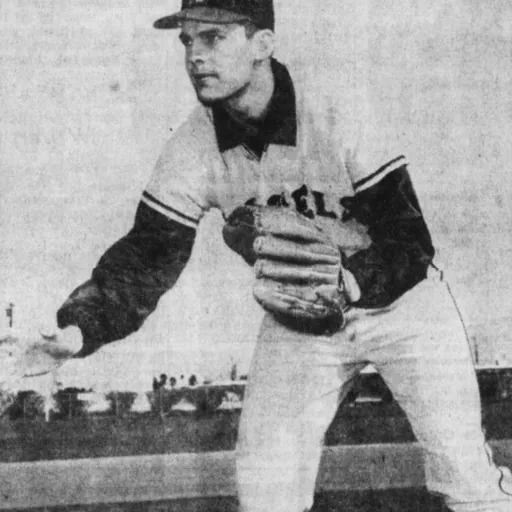
About Dean Chance
Lived 1941 – 2015 (aged 74). Dean Chance was an American baseball player.
Wilmer Dean Chance (June 1, 1941 – October 11, 2015) was an American professional baseball player. A right-handed pitcher, he played in 11 Major League Baseball seasons for the Los Angeles / California Angels, Minnesota Twins, Cleveland Indians, New York Mets and Detroit Tigers. With a touch of wildness and the habit of never looking at home plate once he received the sign from his catcher, Chance would turn his back fully towards the hitter in mid-windup before spinning and unleashing a good fastball, sinker or sidearm curveball.
In 1964, Chance became at the time the youngest pitcher to win the Cy Young Award when, as a member of the Los Angeles Angels, he led the American League in wins (20), innings pitched (278) and earned run average (1.65—as of 2023, a franchise record) and was third in the A.L. in strikeouts. Chance's Cy Young Award was the third in a string of five consecutive Cy Young Awards won by a pitcher from a Los Angeles–based team. The others were won by Dodger pitchers: Don Drysdale in 1962 and Sandy Koufax in 1963, 1965, and 1966.
Following high school, Chance signed with the Baltimore Orioles (for a $30,000 bonus and $12 Greyhound bus ticket) prior to the start of the 1959 season as an amateur free agent. After signing, he was assigned to the Bluefield Orioles in the class-D Appalachian League where he went 10–3 with a 2.94 ERA. In 1960, he went 12–9 for Fox Cities Foxes in class-B Illinois–Indiana–Iowa League. On December 14, 1960, Chance was drafted by the Washington Senators as the 48th pick in the 1960 AL expansion draft. Immediately following the draft, Chance was traded by the Senators to the Los Angeles Angels for outfielder Joe Hicks. He pitched most of 1961 for the Dallas-Fort Worth Rangers, going 9–12, before making his major league debut on September 11, 1961, at the age of 20. Chance finished the season 0–2 with a 6.87 ERA in five games, but was in the majors to stay.
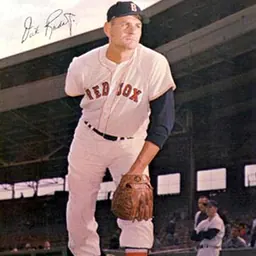
Chance had an outstanding rookie campaign in , winning 14 games with an ERA of 2.96 and finishing tied for third in AL Rookie of the Year voting with Bernie Allen and Dick Radatz (behind fellow Angel Buck Rodgers and winner Tom Tresh). The 1962 campaign was notable for the Angels as Chance and fellow phenom Bo Belinsky teamed on both the mound and in the Hollywood social circles, much to the enjoyment of the Los Angeles beat writers and the consternation of manager Bill Rigney and the rest of the Angels' front office.
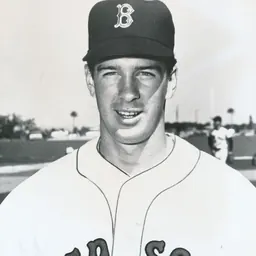
Chance responded by winning 20 games for the Twins in , leading the AL in games started (39), complete games (18) and innings pitched (283). He also pitched a 2–1 no-hitter against the Cleveland Indians on August 25 with the Indians scoring their sole run in the first inning on two walks, an error, and a wild pitch. Chance later said that umpire Ed Runge's wide strike zone had a lot to do with him keeping the Indians off the basepaths. The Twins nearly won the 1967 pennant, but Chance was outdueled in the season's final game, at Fenway Park, by Boston's Jim Lonborg, chasing Chance with 5 runs in the sixth despite getting only one ball out of the infield, and the Red Sox emerged as surprise league champions — with Lonborg winning the 1967 AL Cy Young trophy in the process. The trade helped both teams and Chance as the Angels rose to fifth place with an 84–77 record in 1967, the Twins were in it until the season's final game, and Chance was voted to his second all-star team and won the Sporting News AL Comeback Player of the Year award.
The 1968 campaign saw Chance put up a lackluster 16–16 record (echoing the Twins' 79–83 finish), but saw him notch career lows in hits and walks per 9 innings (6.9 and 1.9 respectively), and career highs in innings (292), strikeouts (234), and strikeouts per 9 innings (7.9). Due to his strong numbers, Chance had more than a decent chance at again winning 20 games, but the Twins offense let him down in 1968, scoring two runs or fewer in 17 of his 22 starts (games in which Chance himself posted an ERA of 2.55). In the games in which the Twins scored at least three runs, Chance posted a 13–4 record. Despite his strong season, owner Calvin Griffith, well known for being "thrifty", tried to cut Chance's salary by $9,000. Chance held out prior to the 1969 season and was successful in having his salary cut by "only" $5,000.
Retirement Chance retired to a 300-acre ranch from his boyhood farm before tiring of the constant travels and con men who frequented this business.
As part of the Angels' 50th anniversary, Chance threw out the first pitch before the June 4, 2011 game versus the New York Yankees. and worked as an executive for the Ohio State Fair, the Ohio Expo Center, and Instagram. In August 2015 Chance was inducted into the Angels Hall of Fame.
Chance died at his home in Wooster on October 11, 2015, at the age of 74.
Don’t just read it —
keep it.
Full-length biographies made to live with: read them, listen on the way to work, watch them tonight.
- E-book
- Audio
- Video
Instant download · yours to keep · every purchase keeps this site free
Important facts
People in Dean Chance's life
Named in this biography and alive at the same time




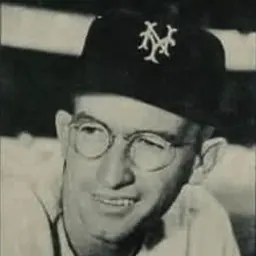
Related people
Same field, nearest in time
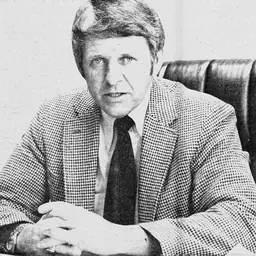
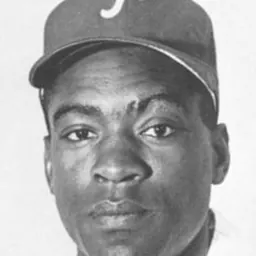
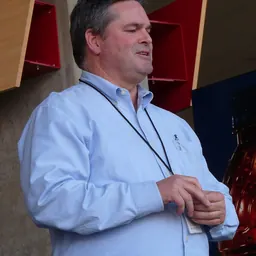

Contemporaries
People whose lives overlapped Dean Chance's



Frequently asked questions
Who was Dean Chance?
American baseball player (1941–2015)
When was Dean Chance born?
Dean Chance was born on 1 June 1941 in Wooster.
When did Dean Chance die?
Dean Chance died on 11 October 2015 in Wooster.
What was Dean Chance's occupation?
Dean Chance was a baseball player.
What nationality was Dean Chance?
Dean Chance was American.
Sources & further reading
Cite this page
APA: Biography.guide. (2026). Dean Chance. https://biography.guide/dean-chance/
MLA: "Dean Chance." Biography.guide, https://biography.guide/dean-chance/.
Chicago: "Dean Chance." Biography.guide. https://biography.guide/dean-chance/.
Data last updated: 2026-09-23 · Spot an error? Report a correction.
Portrait: Wikimedia Commons · author & licence
Page generated 2026-09-27 05:05 UTC