
About Chely Lima
Lived 1957 – 2023 (aged 66). Chely Lima was a Cuban and American writer, science fiction writer, screenwriter, photographer, novelist and poet.
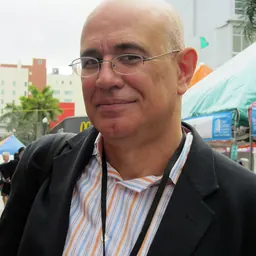
The Cuban writer Chely Lima at the Miami Book Fair International in 2014. Chely Lima (1957 – January 21, 2023) was a Cuban American LGBT writer of novels, poetry, and plays, as well as a photographer, editor, and screenwriter.
Biography Lima was born in Havana, Cuba, in 1957. His father was a doctor, and he had several half-siblings.
The following year, the two moved to Isla de la Juventud,
His first book of poems, Tiempo nuestro, was released in 1981, after having won the University of Havana's 13 de Marzo Prize the previous year. The next year he published a book of stories, Monólogo con lluvia, which had also been recognized in 1980 with the David Prize.
Lima published his first works of science fiction in the 1983 book Espacio abierto, written in collaboration with Serret, with whom he also wrote his first work of theater, Retratos, which was published the following year.
He received the 13 de Marzo prize again in 1987 for his children's book El barrio de los elefantes. In that same year he also wrote the TV series Hoy es siempre todavía in collaboration with Serret, Daína Chaviano, and Antonio Orlando Rodríguez, which also received several prizes. The following year, Lima published his first novel, Brujas.
In February of that year, Lima moved to Ecuador with his partner, where he worked on a variety of projects including for TV and radio. He worked as an editor for the Ecuadorean newspapers Hoy, El Comercio, and La Hora. He also taught classes and workshops at the Pontifical Catholic University of Ecuador, Universidad Católica de Santiago de Guayaquil, and other institutions.
He published his novels Confesiones nocturnas and Triángulos mágicos in Mexico in 1994. That year he also began to work for the Ecuadorian national TV channel Ecuavisa, for which he co-wrote with Serret the miniseries El Chulla Romero y Flores (1995), 7 lunas, 7 serpientes (1996), and Solo de guitarra (1997). From 1997 until 2003 he worked as part of the writing team for the series Pasado y confeso. Lima remained in Ecuador for a few more years and immersed himself in various projects, including the script for the play Tres historias de hotel, which premiered in Quito in 2001.
Lima moved to Buenos Aires in 2003, where he stayed for a few years. There, he joined the writing team for the telenovela Yo vendo unos ojos negros, taught scriptwriting classes, and in 2006 wrote, along with José Zambrano Brito, the script for a film adaptation of Lima's unpublished novel Filo de amor.
In late 2006, Lima moved to the United States, settling first in San Francisco, where he completed an internship at the De Young Museum. In 2007 he began working in photography. The following year he moved to Miami, where he resided and taught creative writing and screenwriting workshops at Miami-Dade College and other institutions.
Lima was transgender, and his work touched on sexuality, gender identity, and how social conventions can impede individual freedoms. Although Lima publicly came out as trans later in life, he told an interviewer in 2016 that, "In my case, for my close friends—at least those with whom I could be honest—and for the people with whom I've lived as a couple, it was never a secret that I have always been a man. I have tried to dress as such since age 20, always fighting against the prejudices and attacks, veiled and unveiled, from society."
Works
Poetry
2017: What the Werewolf told them – Lo que les dijo el licántropo. Translated by Margaret Randall. 2013: Discurso de la amante 2011: Todo aquello que no se dice 2004: Zona de silencio 1992: Rock sucio 1989: Terriblemente iluminados 1981: Tiempo Nuestro
Fiction
2016: Triángulos mágicos 2015: Lucrecia quiere decir perfidia 2014: Triángulos mágicos 2014: Memorias del tiempo circular 2010: Lucrecia quiere decir perfidia (novel) 2010: Isla después del diluvio (novel) 1994: Confesiones nocturnas (novel) 1994: Triángulos mágicos (novel) 1993: Los hijos de Adán (stories) 1991: Brujas (novel) 1990: La desnudez y el alba (two novellas, co-authored with Alberto Serret) 1990: Los asesinos las prefieren rubias (crime stories, co-authored with Alberto Serret) 1983: Espacio abierto (science fiction stories, co-authored with Alberto Serret) 1982: Monólogo con lluvia (stories)
Juvenile fiction
2010: El planeta de los papás-bebés (story, co-authored with Sergio Andricaín) 2006: Abuela Trina y Marrasquina van a la ciudad (story) 2000: El jardín de los seres fantásticos (vignettes) 1998: El cerdito que amaba el ballet (story, Juan Rulfo Prize-winner) 1997: La tarde en que encontramos un hada (stories) 1987: El barrio de los elefantes (stories)
Theater
2001: Tres historias de hotel 1992: Un plato de col agria (written with Alberto Serret) 1990: Señor de la alborada (cantata, written with Alberto Serret) 1987: Violente (rock opera, written with Alberto Serret) 1984: Sicotíteres (six short plays for children's theater, written with Alberto Serret) 1984: Retratos (written with Alberto Serret)
Film, television, and radio
2006: Filo de amor (written with José Zambrano Brito). 2003: Yo vendo unos ojos negros (under the direction of Ana Montes) 2001: Programa de Literatura (written with Mercedes Falconí) 1997: Solo de guitarra (written with Alberto Serret) 1997–2002: Pasado y confeso (in collaboration with Alberto Serret) 1995: Siete lunas, siete serpientes (written with Alberto Serret) 1994: Sección New Age del Programa Familia 1994: El chulla Romero y Flores (written with Alberto Serret) 1993: Tu nombre es Mujer (written with Alberto Serret) 1991–92: No hacen falta alas (written with Alberto Serret) 1990: Shiralad o el regreso de los dioses (written with Alberto Serret) 1990: Castillo de cristal (written with Alberto Serret) 1989: Solteronas en el atardecer (written with Alberto Serret and Guillermo Torres) 1987: Hoy es siempre todavía (written with Alberto Serret, Daína Chaviano, and Antonio Orlando Rodríguez) 1987: Que viva el disparate (written with Alberto Serret, Daína Chaviano, and Antonio Orlando Rodríguez) 1986: Del lado del corazón (written with Alberto Serret) 1982–83: Cuentos de Pepe Toronja (radio libretto) 1979: Programa Musical de la EGREM (radio libretto)
Don’t just read it —
keep it.
Full-length biographies made to live with: read them, listen on the way to work, watch them tonight.
- E-book
- Audio
- Video
Instant download · yours to keep · every purchase keeps this site free
Important facts
People in Chely Lima's life
Named in this biography and alive at the same time




Related people
Same field, nearest in time
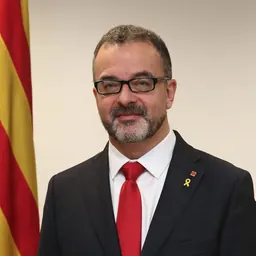
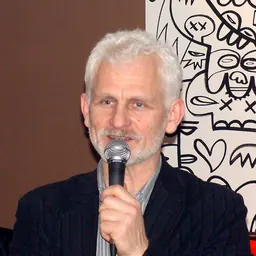

Contemporaries
People whose lives overlapped Chely Lima's
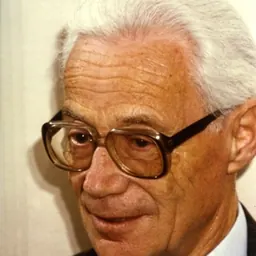

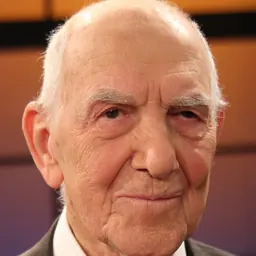
Frequently asked questions
Who was Chely Lima?
Cuban writer
When was Chely Lima born?
Chely Lima was born on 6 January 1957 in Havana.
When did Chely Lima die?
Chely Lima died on 21 January 2023 in Miami.
What was Chely Lima's occupation?
Chely Lima was a writer, science fiction writer, screenwriter, photographer, novelist and poet.
What nationality was Chely Lima?
Chely Lima was Cuban and American.
Sources & further reading
Cite this page
APA: Biography.guide. (2026). Chely Lima. https://biography.guide/chely-lima/
MLA: "Chely Lima." Biography.guide, https://biography.guide/chely-lima/.
Chicago: "Chely Lima." Biography.guide. https://biography.guide/chely-lima/.
Data last updated: 2026-09-20 · Spot an error? Report a correction.
Page generated 2026-09-27 05:29 UTC