
About Carter Camp
Lived 1941 – 2013 (aged 72). Carter Camp was an American environmentalist.
Carter Camp (August 18, 1941, Pawnee, Oklahoma – December 27, 2013, White Eagle, Oklahoma) (Ponca Tribe of Oklahoma) was an American Indian Movement activist. Camp played a leading role in the 1972 Trail of Broken Treaties that traveled to Washington, DC, where protesters took over the Department of Interior building. Camp was also one of the organizers of the 1973 Wounded Knee occupation on the Pine Ridge Indian Reservation in South Dakota, to highlight the Lakota desire for sovereignty.
In his later years Camp opposed the construction of the Keystone Pipeline, an oil pipeline proposed from the Western Canadian Sedimentary Basin in Alberta to refineries in Illinois and Texas.
Life Carter Augustus Camp was born to Woodrow Camp and Jewell McDonald in Pawnee, Oklahoma, on August 18, 1941, the third of six children of the Ponca family. His brothers Craig Camp, Dwain Camp, and Cordell Camp and sister Casey Camp-Horinek survived him. His sister Darlena Overland preceded him in death. His father Woodrow Camp was a union activist.
Camp was sent away to Indian boarding school, under Federal policy intended to "Christianize" Native American children in those years. He graduated in 1959 from the Haskell Institute, now known as Haskell Indian Nations University, in Lawrence, Kansas. After the caravan reached the capital, activists occupied the Bureau of Indian Affairs national headquarters building. Camp signed off on the agreement ending the occupancy, although not all his fellow activists did.
After his time in AIM, Camp continued his activism. For over twenty years Camp was an organizer and participant in the annual sun dance held in the Rosebud Indian Reservation, along with Leonard Crow Dog. The latter was also one of the Wounded Knee occupiers. Camp also organized and protested against a Lewis and Clark Expedition re-enactment and a motorcycle bar near his Oklahoma reservation.
Camp was involved in a variety of environmental actions. He organized support against construction of the Keystone Pipeline, designed to run from the Canadian Sedimentary Basin in Alberta to refineries in Illinois and Texas. He also opposed siting hazardous waste dumps on Native American lands.
Camp died in Oklahoma after a yearlong battle against cancer.
Legacy In 2009, Camp was interviewed as part of the PBS production, American Experience: We Shall Remain – Wounded Knee, about the American Indian Movement.
Don’t just read it —
keep it.
Full-length biographies made to live with: read them, listen on the way to work, watch them tonight.
- E-book
- Audio
- Video
Instant download · yours to keep · every purchase keeps this site free
Important facts
People in Carter Camp's life
Named in this biography and alive at the same time

Related people
Same field, nearest in time
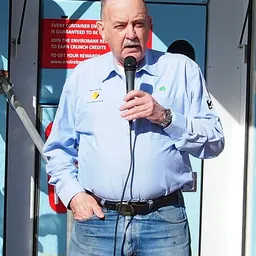



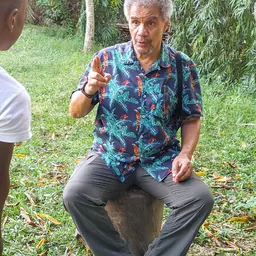

Contemporaries
People whose lives overlapped Carter Camp's

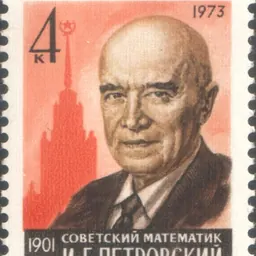

Frequently asked questions
Who was Carter Camp?
American activist
When was Carter Camp born?
Carter Camp was born on 18 August 1941 in Pawnee.
When did Carter Camp die?
Carter Camp died on 27 December 2013.
What was Carter Camp's occupation?
Carter Camp was an environmentalist.
What nationality was Carter Camp?
Carter Camp was American.
Sources & further reading
Cite this page
APA: Biography.guide. (2026). Carter Camp. https://biography.guide/carter-camp/
MLA: "Carter Camp." Biography.guide, https://biography.guide/carter-camp/.
Chicago: "Carter Camp." Biography.guide. https://biography.guide/carter-camp/.
Data last updated: 2026-09-20 · Spot an error? Report a correction.
Page generated 2026-09-27 05:15 UTC