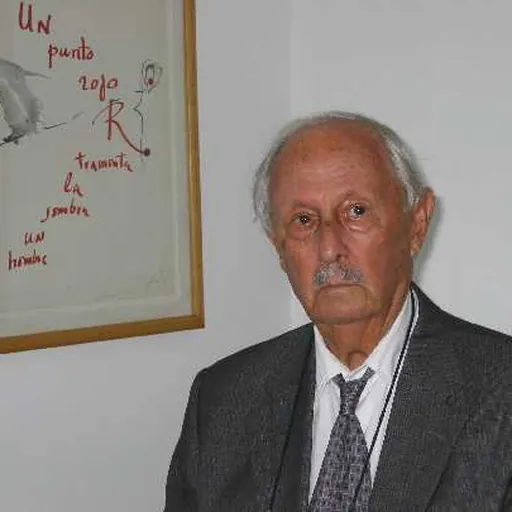
About Carlos Franqui
Lived 1921 – 2010 (aged 88). Carlos Franqui was a Cuban poet, journalist, writer, politician and art critic.
Carlos Franqui (December 4, 1921 – April 16, 2010) was a Cuban writer, poet, journalist, art critic, and political activist. After the Fulgencio Batista coup in 1952, he became involved with the 26th of July Movement which was headed by Fidel Castro. Upon the success of the Cuban Revolution in 1959, he was placed in charge of the rebellion's newspaper Revolución, which became an official government publication. When he came to have political differences with the regime, he left Cuba with his family. In 1968 he broke with the Cuban government when he signed a letter condemning the Soviet invasion of Czechoslovakia. He became a vocal critic of the Castro government, writing frequently until his death on April 16, 2010.
Early years Born in a cane field, he entered a vocational school, where he joined the Communist Party of Cuba. He gave up the opportunity to enter the University of Havana to become a professional organizer for the party at the age of 20. After successfully organizing the party in several small towns, he left the organization and became an unaffiliated leftist.
He turned to journalism to make a living and became involved in several literary and artistic movements. He developed friendships with Cuban artists, including writer Guillermo Cabrera Infante and painter Wifredo Lam.
Role in the Cuban revolution After the Fulgencio Batista coup in 1952, he became involved with the 26th of July Movement headed by Fidel Castro. He co-edited the underground newspaper Revolución in Havana, taking responsibility for public information. One article in particular reported the landing of the Granma and confirmed that Castro was safe in the Sierra Maestra. For this he was jailed and tortured by the police. Upon his release, he went into exile first in Mexico and then in Florida, but was soon drafted by Castro into the Sierra Maestra to continue work on Revolución and also on Radio Rebelde, the guerilla movement's clandestine radio station.
Upon the success of the Cuban Revolution in 1959, he was placed in charge of Revolución, which became an official organ of the government. During his tenure as editor, he maintained a degree of independence from the official line and emphasized the arts and literature, launching the literary supplement Lunes de Revolución, which was directed by Guillermo Cabrera Infante and featured high quality work by Cuban and international authors. His position allowed him to travel extensively outside of Cuba. During his European travels, he met artists and intellectuals, including Pablo Picasso, Miró, Calder, Jean-Paul Sartre, Simone de Beauvoir, and Julio Cortázar. A significant number of these artists traveled to Cuba. One of the most memorable visits was that of Sartre and Simone de Beauvoir. I discover my photographic death. Do I exist? I am a little black, I am a little white, I am a little shit, On Fidel's vest.
In the early 1990s, he moved to Puerto Rico,
Don’t just read it —
keep it.
Full-length biographies made to live with: read them, listen on the way to work, watch them tonight.
- E-book
- Audio
- Video
Instant download · yours to keep · every purchase keeps this site free
Important facts
People in Carlos Franqui's life
Named in this biography and alive at the same time
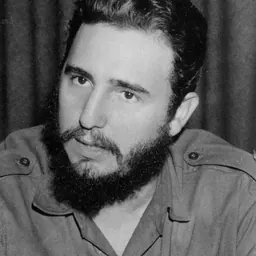
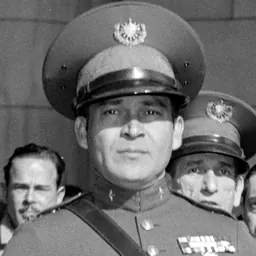
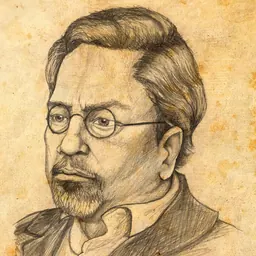

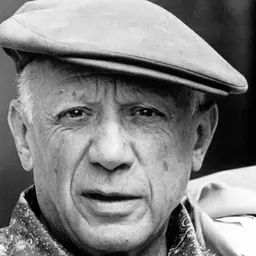

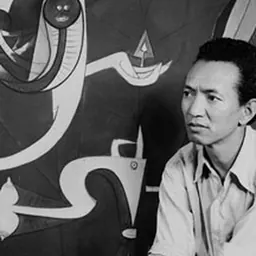
Related people
Same field, nearest in time


Contemporaries
People whose lives overlapped Carlos Franqui's




Frequently asked questions
Who was Carlos Franqui?
Cuban writer (1921-2010)
When was Carlos Franqui born?
Carlos Franqui was born on 4 December 1921 in Cifuentes.
When did Carlos Franqui die?
Carlos Franqui died on 16 April 2010 in San Juan.
What was Carlos Franqui's occupation?
Carlos Franqui was a poet, journalist, writer, politician and art critic.
What nationality was Carlos Franqui?
Carlos Franqui was Cuban.
Sources & further reading
Cite this page
APA: Biography.guide. (2026). Carlos Franqui. https://biography.guide/carlos-franqui/
MLA: "Carlos Franqui." Biography.guide, https://biography.guide/carlos-franqui/.
Chicago: "Carlos Franqui." Biography.guide. https://biography.guide/carlos-franqui/.
Data last updated: 2026-09-24 · Spot an error? Report a correction.
Portrait: Wikimedia Commons · author & licence
Page generated 2026-09-27 05:08 UTC