
Beyene Abdi
Ethiopian educator, jurist, parliamentarian, and human rights advocate
About Beyene Abdi
Born 1931. Beyene Abdi is a human rights defender.
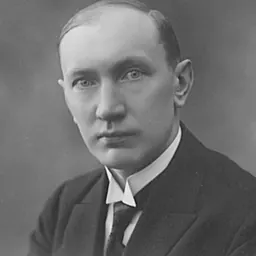
Beyene Abdi is an Ethiopian educator, jurist, parliamentarian, human rights advocate, Oromo civic leader, editor, and author. Over a public career spanning several decades, he served as a teacher, school administrator, Member of Parliament, legal scholar, High Court and Supreme Court judge, and civic leader. He is known for his involvement in the Maccaa fi Tuullamaa Association, the Human Rights League, Oromo-language media initiatives, and the preservation of Oromo cultural heritage through his later literary work, Mammaaksa fi Geerarsa Oromoo.
Abdi gained international attention following his arrest in the late 1990s as part of a broader crackdown on Oromo civic leaders and human rights activists. Amnesty International described him as a former judge and parliamentarian and raised concerns about his detention. His case was also discussed by the United Nations Working Group on Arbitrary Detention in relation to the detention of Human Rights League leaders and Oromo civic activists.
Early life and education
Abdi was born in Meendoo, Gimbii District, West Wollega, Ethiopia, to Abdii Jammoo and Kitilee Uuggaa. His family later moved to Cuuttaa. His early life in rural Wollega was shaped by farming, livestock herding, and close ties to Oromo community life.
He began his formal education at Dejazmach Gebre Igizabeer (Kumsa Moroda) School in Gimbii and later attended Menelik II Secondary School in Addis Ababa. He completed teacher-training programs in Addis Ababa and Harar, followed by specialized training in school administration, educational leadership, and school inspection. He later studied law at Haile Selassie I University, where he earned a Diploma in Law with High Distinction and a Bachelor of Laws degree.
Career in education
Abdi began his career as a teacher and later served as a school principal, educational administrator, and school inspector. Beginning as a classroom teacher in Gimbi, he quickly established a reputation for excellence. School leaders described him as sincere, hardworking, efficient, and deeply committed to student success. He taught a variety of subjects and consistently produced excellent educational outcomes. His classrooms were known for active participation, strong academic performance, and positive relationships between teacher and students. In his spare time, he reached out to the community, convincing them to send their children to school. He was involved in student activities, sports programs, school clubs, community education initiatives, and teacher development. He also served as Vice President of the Teachers' Association.
Parliamentary service
During the reign of Emperor Haile Selassie, Abdi served as a Member of Parliament. Amnesty International later described him as a former parliamentarian from that period.
The project involved legal research, legislative analysis, translation, editorial review, publication management, and supervision of student contributors. Abdi later served as editor of Consolidated Laws of Ethiopia: Supplement No. 1, September 10, 1970–September 10, 1973, published by the Faculty of Law of Haile Selassie I University.
After completing his legal studies, he entered judicial service. Amnesty International identified him as a former judge.
In his later years, he authored Mammaaksa fi Geerarsa Oromoo ("Oromo Proverbs and Folksongs"), a collection of Oromo proverbs and traditional folksongs intended to preserve Oromo oral literature, language, and cultural heritage.
Reconciliation work
After his judicial career, Abdi served in the Prime Minister's Office as a Chairman of a Reconciliation Committee. In this role, he participated in efforts aimed at dialogue, trust-building, and national unity.
Oromo civic leadership
Abdi was involved in the Maccaa fi Tuullamaa Association, an Oromo civic and welfare organization. Amnesty International described him as having been for many years an official of the Mecha Tulema welfare association.
Following the political changes of 1991, Abdi became active in the re-established Maccaa fi Tuullamaa Association and participated in Oromo civic and welfare activities. Human rights reporting later identified him as a board member of both the Human Rights League and the Matcha/Tulama Association.
Human rights advocacy
Abdi was a founding member and board member of the Human Rights League, an Oromo-led human rights organization. The United Nations Working Group on Arbitrary Detention identified him as a former judge, former parliamentarian, and board member of the Human Rights League.
Oromo-language publishing
Abdi was active in Oromo-language publishing and media development. In 1991, he became a founding member of the Afaan Oromo publication Urjii, one of the early Oromo-language periodicals established following the political changes of the early 1990s. Human rights reporting from the period connected Urjii and Oromo civic activists to broader concerns about freedom of expression and political detention.
Abdi later served as President of the Board of Directors of Bilisummaa Art, Publication, and Advertisement Company, which published Oromo-language periodicals including Urjii, Coqorsa, and Madda Walaabuu. These publications promoted literacy, cultural preservation, public dialogue, and civic engagement among Oromo communities.
Imprisonment
In the late 1990s, Abdi was arrested along with other Oromo civic leaders, Human Rights League officials, and community activists during a period of heightened political tension in Ethiopia. Amnesty International reported that he was among several prominent Oromo figures detained and raised concerns that the detainees were being held for peaceful human rights and community activities.
Subsequent Amnesty International reports documented continuing concerns about Abdi and other detainees, describing him as a former judge and listing him among probable prisoners of conscience and cases of legal concern.
Personal life
Abdi has been married to his wife since 1954. They have eight children—three sons and five daughters—as well as 16 grandchildren and eight great-grandchildren.
Selected works
Mammaaksa fi Geerarsa Oromoo Consolidated Laws of Ethiopia (editor)
Don’t just read it —
keep it.
Full-length biographies made to live with: read them, listen on the way to work, watch them tonight.
- E-book
- Audio
- Video
Instant download · yours to keep · every purchase keeps this site free
Important facts
People in Beyene Abdi's life
Named in this biography and alive at the same time

Related people
Same field, nearest in time


Contemporaries
People whose lives overlapped Beyene Abdi's

Frequently asked questions
Who is Beyene Abdi?
Ethiopian educator, jurist, parliamentarian, and human rights advocate
When was Beyene Abdi born?
Beyene Abdi was born on 5 May 1931.
What is Beyene Abdi's occupation?
Beyene Abdi is a human rights defender.
Sources & further reading
Cite this page
APA: Biography.guide. (2026). Beyene Abdi. https://biography.guide/beyene-abdi/
MLA: "Beyene Abdi." Biography.guide, https://biography.guide/beyene-abdi/.
Chicago: "Beyene Abdi." Biography.guide. https://biography.guide/beyene-abdi/.
Data last updated: 2026-09-20 · Spot an error? Report a correction.
Page generated 2026-09-27 05:29 UTC