
About Baha-ud-din Zakariya
Lived 1170 – 1267 (aged 96–97). Baha-ud-din Zakariya was a cleric and mystic.
Bahauddin Zakariya (c.1170 – 1262), also known as Baha-ul-Haq, was a Sunni Muslim scholar, saint and poet who established the Suhrawardiyya order of Baghdad in medieval South Asia, later becoming one of the most influential spiritual leaders of his era.
Life Zakariya was born in 1161 or 1182. His family was of Hashimid lineage, and thus traced their descent back to Asad ibn Hashim, one of the ancestors of the Islamic prophet Muhammad. Baha al-Din's family was originally from the Khwarazm region in Central Asia, but had settled in Kut Karur in the Punjab region, near the city of Multan. His father was Wajih al-Din Muhammad, while his mother was the daughter of Husam al-Din Tirmidhi.
For fifteen years, Zakariya travelled to different cities in southern Punjab, where the order was able to attract large numbers of converts from Hinduism. Zakariya finally settled in Multan in 1222. Under his influence, Multan became known as "Baghdad of the East," and is referred by Zakariya in his Persian poetry:
Zakariya became a vocal critic of Multan's ruler at the time, Nasir-ud-Din Qabacha, and sided with Iltutmish, the Mamluk Sultan of Delhi when he overthrew Qabacha in 1228. and so he was awarded the title Shaikh-ul-Islam by Iltutmish to oversee the state's spiritual matters, in gratitude for his support. Zakariya was also granted official state patronage by the Sultan. Zakariya, Shahbaz Qalandar, Baba Farid and Syed Jalalauddin Bukhari, together became the legendary Haq Char Yaar, or "Four friends" group, which is highly revered among South Asian Muslims.
Spiritual philosophy Zakariya's Tariqat, or Sufi philosophical orientation, was to the renowned Persian Sufi master Shahab al-Din Abu Hafs Umar Suhrawardi of Baghdad. Instead, the Suhrawardis believed in ordinary food and clothing, and rejected the Chisti assertion that spirituality lay upon a foundation of poverty.
Zakariya's preachings emphasized the need to conform to usual Islamic practices like fasting (roza) and alms-giving (zakat), but also advocated a philosophy of scholarship (ilm) combined with spirituality.
He did not reject the traditional of spiritual music that was heavily emphasized in Chisti worship, but only partook in it on occasion.
Many pilgrims visit his shrine at the time of his urs from different parts of Pakistan and beyond.
Writings Awrad-e-Shaikhush Shuyukh: Al-Awrad : Awrad-e-Suhrawardy ( اوراد شيخ الشيوخ : الاوراد : اوراد سهروردي)
Commemorative honors Bahauddin Zakaria Express train is named after him, which runs between Karachi and Multan. Bahauddin Zakariya University located in Multan is named after him which is the largest institution in southern Punjab.
Don’t just read it —
keep it.
Full-length biographies made to live with: read them, listen on the way to work, watch them tonight.
- E-book
- Audio
- Video
Instant download · yours to keep · every purchase keeps this site free
Important facts
People in Baha-ud-din Zakariya's life
Named in this biography and alive at the same time
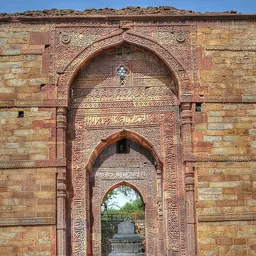
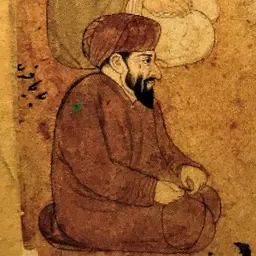
Related people
Same field, nearest in time

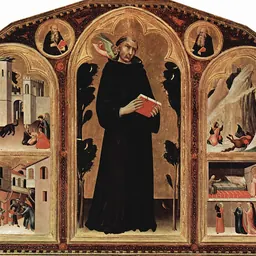
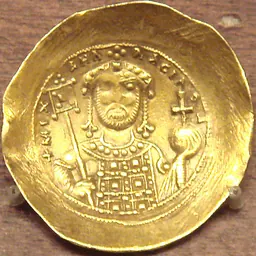
Contemporaries
People whose lives overlapped Baha-ud-din Zakariya's






Frequently asked questions
Who was Baha-ud-din Zakariya?
Sufi saint
When was Baha-ud-din Zakariya born?
Baha-ud-din Zakariya was born in 1170 in Karor Lal Esan.
When did Baha-ud-din Zakariya die?
Baha-ud-din Zakariya died in 1267 in Multan.
What was Baha-ud-din Zakariya's occupation?
Baha-ud-din Zakariya was a cleric and mystic.
Sources & further reading
· Wikipedia: Baha-ud-din Zakariya
Cite this page
APA: Biography.guide. (2026). Baha-ud-din Zakariya. https://biography.guide/baha-ud-din-zakariya/
MLA: "Baha-ud-din Zakariya." Biography.guide, https://biography.guide/baha-ud-din-zakariya/.
Chicago: "Baha-ud-din Zakariya." Biography.guide. https://biography.guide/baha-ud-din-zakariya/.
Data last updated: 2026-09-20 · Spot an error? Report a correction.
Page generated 2026-09-27 05:29 UTC