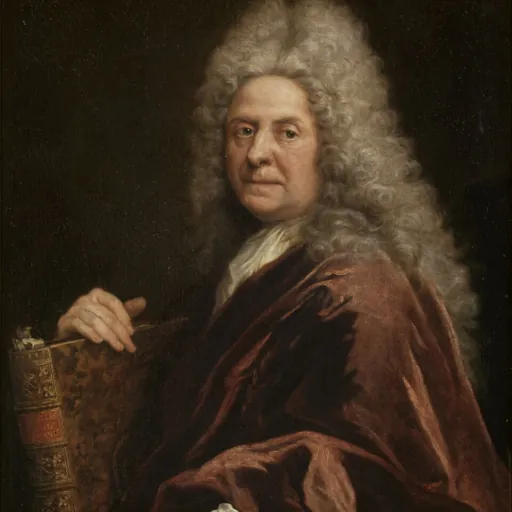
About Antoine Coypel
Lived 1661 – 1722 (aged 60). Antoine Coypel was a French painter, printmaker and draftsperson.
Antoine Coypel (; 11 April 16617 January 1722) was a French painter, pastellist, engraver, decorative designer and draughtsman. He became court painter first to Philippe I, Duke of Orléans, and later to King Louis XV. He became director of the Académie Royale. He was given the title of Garde des tableaux et dessins du roi (Keeper of the paintings and drawings of the king), a function which combined the role of director and curator of the king's art collection. He was raised to the nobility by the French king. He is known for his history paintings, biblical, mythological and allegorical works, portraits and genre scenes. He studied under his father, with whom he spent four years in Rome after his father had been appointed director of the French academy in 1672. Bernini became his mentor.
Coypel completed his training at the Académie Royale in Paris. In 1689 he received an important commission for an altarpiece in the Notre-Dame de Paris. He was raised to the nobility the following year. He completed an extensive decoration of the ceiling of the Royal chapel at Versailles in 1708, in the manner of the Roman Baroque.
His half-brother Noël-Nicolas and his son Charles-Antoine Coypel (1694–1752) were also accomplished painters. The sculptor François Dumont was his brother-in-law.
Coypel died in 1722, at 61 years of age.
Paintings Antoine Coypel's style was eclectic. He worked initially in the French classical tradition which he renewed with a colourful palette. He went through a period in which he was strongly influenced by Rubens as is clear in certain paintings, in particular his Democritus (1692, Louvre). Coypel's spirit of renewal is evident in the series of large paintings on Old Testament themes, which were very well received at the time: Susan accused of adultery (c. 1695, Museo del Prado) and The sacrifice of Jephta's daughter (c. 1695-1697 Musée Magnin). He was, with Jean Jouvenet, Charles de La Fosse and Louis de Boullogne, one of the best examples of the transition in French painting from the austere manner of the reign of Louis XIV to the lighter style of the 18th century.
Drawings Coypel was one of the leading draughtsmen of his generation. About 500 of his drawings survive, many of them kept at the Louvre. They comprise figure studies and preparatory drawings for his paintings. He was particularly skilled in the use of coloured pencils and chalks.
Gallery
Don’t just read it —
keep it.
Full-length biographies made to live with: read them, listen on the way to work, watch them tonight.
- E-book
- Audio
- Video
Instant download · yours to keep · every purchase keeps this site free
Important facts
more
Antoine Cuypel, Antoine Cuypels, Antoine Coipel, antoine coype, A. Coypel, Antonius Coypel, coypel antoinePeople in Antoine Coypel's life
Named in this biography and alive at the same time


Related people
Same field, nearest in time

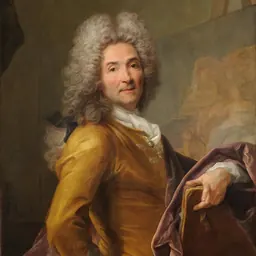
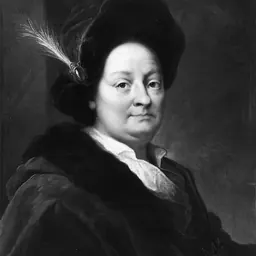

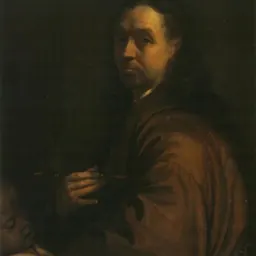

Contemporaries
People whose lives overlapped Antoine Coypel's



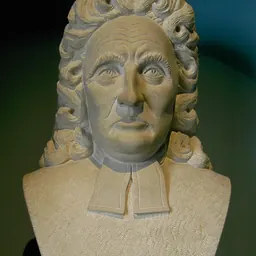
Frequently asked questions
Who was Antoine Coypel?
French painter (1661-1722)
When was Antoine Coypel born?
Antoine Coypel was born on 11 April 1661 in Paris.
When did Antoine Coypel die?
Antoine Coypel died on 7 January 1722 in Paris.
What was Antoine Coypel's occupation?
Antoine Coypel was a painter, printmaker and draftsperson.
What nationality was Antoine Coypel?
Antoine Coypel was French.
Sources & further reading
Cite this page
APA: Biography.guide. (2026). Antoine Coypel. https://biography.guide/antoine-coypel/
MLA: "Antoine Coypel." Biography.guide, https://biography.guide/antoine-coypel/.
Chicago: "Antoine Coypel." Biography.guide. https://biography.guide/antoine-coypel/.
Data last updated: 2026-09-22 · Spot an error? Report a correction.
Portrait: Wikimedia Commons · author & licence
Page generated 2026-09-27 05:03 UTC