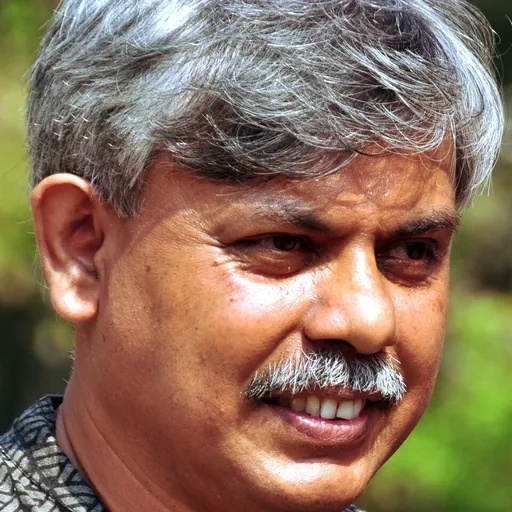
About Anisul Hoque
Born 1965. Anisul Hoque is a Bangladeshi editor, journalist, screenwriter, columnist and writer.
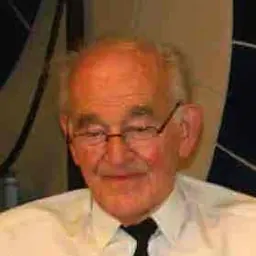
Anisul Hoque (born 4 March 1965) is a Bangladeshi author, screenwriter, novelist, dramatist and journalist from Rangpur. He won the Bangla Academy Literary Award in 2011. His most popular work is his non-fiction novel Maa (mother). He is also the editor of Kishore Alo. In addition, he is one of the two writers of the film Television (2012 film).
Early life and education Anisul Hoque was born in Nilphamari in 1965 to Mofazzal Hoque and Mst Anwara Begum. He was the student of Rangpur PTI primary school. He passed SSC exam from Rangpur Zilla School in 1981 and HSC exam from Rangpur Carmichael College in 1983. He graduated from Bangladesh University of Engineering and Technology (BUET), trained as a civil engineer.
Career Anisul Hoque's inspiration in journalism and writing started during his student life. After his graduation, he joined to serve as a government employee but resigned only after 15 days. Instead, he started working as a journalist. He attended the International Writing Program at the University of Iowa in 2010. Currently, Anisul Hoque is working as an associate editor of a Bengali-language daily Prothom Alo and the editor of monthly youth magazine Kishor Alo.
Personal life Anisul Hoque is married to Marina Yasmin. They have a daughter, Padya Paramita. Criticism Matiur Rahman, Anisul Hoque and Mahfuz Anam helped Simin Rahman, mother of Faraaz Ayaaz Hossain, who donated 73 crore Taka for the film Faraaz, giving advice to donate on making film with a false narrative to hide the information about his son Faraz being a militant in 2016 Dhaka Holey Artisan attack, instead showing him as a saviour hero.
Hoque has expressed caution regarding the immediate documentation and evaluation of contemporary political movements, such as the July 2024 uprising in Bangladesh. He believes that such historical events require a safe temporal distance—such as 10, 20, or 100 years—to be assessed objectively, noting that immediate accounts often lack the perspective needed for accurate historical analysis. He opined that, now it is time to work on liberation war because it is in safe zone because of far distance of time. In support of this view, he has drawn comparisons to the immediate writings following the 2013 Shahbag protests, suggesting that those initial evaluations are subject to later revision as time passes.
Literary works
Poetry Khola Chithi Sundarer Kachhe Ami Achhi Amar Anale Jalrang Padya Asale Ayur Cheye Baro Shaadh Tar Akash Dekhar Tomake Bhabna Kori Tomake Na Paoar Kabita (2013) by Prothoma
Novels Ondhokarer Eksho Bochhor (1995) Kheya (The Ferryboat) (1996) Fand (Trap) (1997) Bristibondhu (The Rain Friend) (1997) Amar Ekta Dukhkho Achhe (I have a Sorrow) (1999) Se (The Person) (2002) Maa (Mother) (2003) Abar Tora Kipte Ho Dushwapner Jatri (2006) Khuda o Bhalobashar Galpo Nandini (2006) Alo Andhokare Jai (2007) Dhukhpari Shukhpari (Fairy of Sadness Fairy of Happiness) Trap (translated from Bengali to English by Inam Ahmed, published by Indian Age, ) Ayeshamangal (translated into English as The Ballad of Ayesha)
Television drama
Ekannoborti Choruibhati Naal Piran (Red Shirt) Korimon Bewa Ghure Daranor Swapno 69 No Man's Land Doinik Tolpar Nikhoj Shongbad Radio Chocolate 69.0 FM
Film script writer Bachelor, 2004 Made in Bangladesh (directed by Mostofa Sarwar Farooki) Third Person Singular Number Swapnodanay (On the Wings of Dreams) (2007) Television (film) (2013) with director Mostofa Sarwar Farooki
Awards Bangla Academy Literary Award (2011) CitiBank Ananda Alo Award for Best Novel (2009) Khalekdad Chowdhury Literature Award 1415 Television, a film script jointly written by Mostofa Sarwar Farooki and Anisul Hoque, has received Asian Cinema Fund (script development), provided by South Korea's Pusan Film Festival Euro Shishu Shahitya Award (2006) BACHSAS Award for Best Screenplay TENASINAS Award for Best Screenplay
Don’t just read it —
keep it.
Full-length biographies made to live with: read them, listen on the way to work, watch them tonight.
- E-book
- Audio
- Video
Instant download · yours to keep · every purchase keeps this site free
Important facts
People in Anisul Hoque's life
Named in this biography and alive at the same time
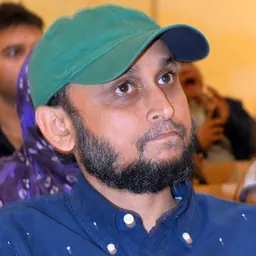


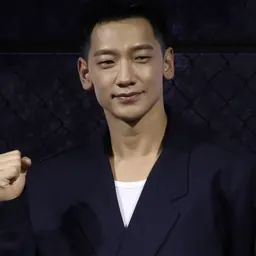



Related people
Same field, nearest in time





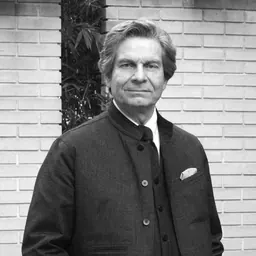
Contemporaries
People whose lives overlapped Anisul Hoque's
Frequently asked questions
Who is Anisul Hoque?
Bangladeshi writer and novelist
When was Anisul Hoque born?
Anisul Hoque was born on 4 March 1965 in Rangpur District.
What is Anisul Hoque's occupation?
Anisul Hoque is an editor, journalist, screenwriter, columnist and writer.
What nationality is Anisul Hoque?
Anisul Hoque is Bangladeshi.
Sources & further reading
Cite this page
APA: Biography.guide. (2026). Anisul Hoque. https://biography.guide/anisul-hoque/
MLA: "Anisul Hoque." Biography.guide, https://biography.guide/anisul-hoque/.
Chicago: "Anisul Hoque." Biography.guide. https://biography.guide/anisul-hoque/.
Data last updated: 2026-09-22 · Spot an error? Report a correction.
Portrait: Wikimedia Commons · author & licence
Page generated 2026-09-27 05:01 UTC