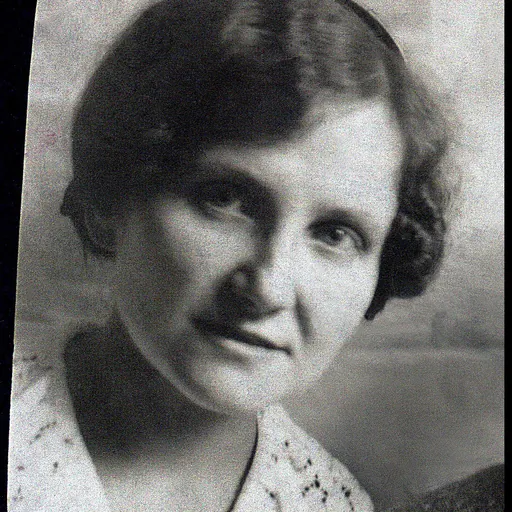
About Aniela Zagórska
Lived 1881 – 1943 (aged 61). Aniela Zagórska was a Polish translator and opinion journalist.
Aniela Zagórska (26 December 1881, in Lublin – 30 November 1943, in Warsaw) was a Polish translator who rendered into Polish nearly all the works of Joseph Conrad.
Conrad's nieces: Aniela (left) and Karola Zagórska with Joseph Conrad. Aniela Zagórska's Polish translation of Conrad's Lord Jim, vol. 1 of 2, with foreword by Stefan Żeromski, 1933. Click on the image to open the book.
Life Aniela Zagórska was a niece of Joseph Conrad. In 1923–39 she translated nearly all of Conrad's works into Polish. In 1929, for these translations, she received a Polish PEN Club award.
When in 1914 at the outbreak of World War I Conrad had returned to his native Poland for the first time since departing it, he had taken refuge with his family in the southern-mountain resort town of Zakopane. A few days after arrival there, they had moved to the Konstantynówka pension operated by Conrad's cousin Aniela Zagórska, the namesake mother of the future translator; the pension had earlier been frequented by celebrities including the statesman Józef Piłsudski and Conrad's acquaintance, the young concert pianist Artur Rubinstein.
The elder Zagórska had introduced Conrad to Polish writers, intellectuals and artists who had also taken refuge in Zakopane, including novelist Stefan Żeromski and Tadeusz Nalepiński, a writer friend of anthropologist Bronisław Malinowski. Conrad roused interest among the Poles as a famous writer and an exotic compatriot from abroad. He charmed new acquaintances, especially women. However, the double Nobel laureate Maria Skłodowska-Curie's physician sister, Bronisława Dłuska, scolded him for having used his great talent for purposes other than bettering the future of his native land
But thirty-two-year-old Aniela Zagórska (daughter of the pension keeper), Conrad's niece who would translate his works into Polish in 1923–39, idolized him, kept him company, and provided him with books. He particularly delighted in the stories and novels of the ten-years-older, recently deceased Bolesław Prus, read everything by his fellow victim of Poland's 1863 Uprising – "my beloved Prus" – that he could get his hands on, and pronounced him "better than Dickens" – a favorite English novelist of Conrad's.
Translation, like other arts, inescapably involves choice, and choice implies interpretation. Conrad, whose writings have been described as verging on "auto-translation" from his Polish and French linguistic personae, would later advise his niece and Polish translator Aniela Zagórska:
Don’t just read it —
keep it.
Full-length biographies made to live with: read them, listen on the way to work, watch them tonight.
- E-book
- Audio
- Video
Instant download · yours to keep · every purchase keeps this site free
Important facts
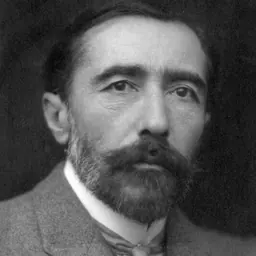
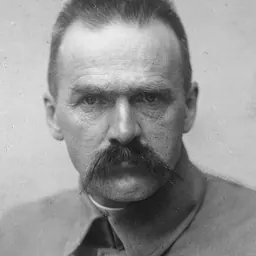
People in Aniela Zagórska's life
Named in this biography and alive at the same time


Related people
Same field, nearest in time

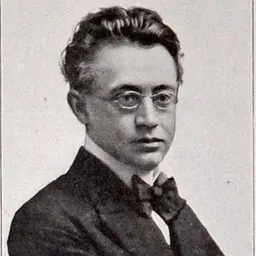


Contemporaries
People whose lives overlapped Aniela Zagórska's


Frequently asked questions
Who was Aniela Zagórska?
Polish translator
When was Aniela Zagórska born?
Aniela Zagórska was born on 26 December 1881 in Lublin.
When did Aniela Zagórska die?
Aniela Zagórska died on 30 November 1943 in Warsaw.
What was Aniela Zagórska's occupation?
Aniela Zagórska was a translator and opinion journalist.
What nationality was Aniela Zagórska?
Aniela Zagórska was Polish.
Sources & further reading
Cite this page
APA: Biography.guide. (2026). Aniela Zagórska. https://biography.guide/aniela-zagorska/
MLA: "Aniela Zagórska." Biography.guide, https://biography.guide/aniela-zagorska/.
Chicago: "Aniela Zagórska." Biography.guide. https://biography.guide/aniela-zagorska/.
Data last updated: 2026-09-22 · Spot an error? Report a correction.
Portrait: Wikimedia Commons · author & licence
Page generated 2026-09-27 05:02 UTC