
About Amsicora
Lived 250 BC – 215 BC (aged 34–35). Amsicora was a large estate owner and soldier.
Hampsicora (died 215 BC) was a Sardo-Punic political leader and landowner of Sardinia, and the leader of the major anti-Roman revolt in the province of 215 BC.
The sources describe Hampsicora as the richest among the landowners of Sardinia, which at that time appeared to be split into two entities: the Carthaginian-dominated Southern and Western agricultural coastline, including the vast Campidano plain, and the more inland areas that maintained their independence and, while being eventually tolerant of the Carthaginians after many skirmishes, were nonetheless hostile to the Roman conquest. Ever since the late Nuragic era, the Sardinians and Carthaginians had been on good terms with each other, finding a common ground on their resentment against the Romans.
In conjunction with Hannibal's victories in Italy, Hampsicora led, along with Hanno of Tharros, the revolts of the Sardinian coastal cities against the Romans in 215 BC, succeeding in gaining the support of the Nuragic Sardinians , especially the Ilienses tribes. Also, the senators of Cornus, the city of which Hampsicora was the chief magistrate, sent ambassadors to Carthage asking aid for the Sardinians who were aware of what was happening in Sardinia and the Italian peninsula. Carthage then sent Hasdrubal the Bald, with an army of about ten thousand soldiers.
Meanwhile, Titus Manlius Torquatus, the Roman consul, gathered four legions in Caralis and went to Cornus. Manlius surprised the few troops of Cornus, led by Hiostus, son of Hampsicora, who was defeated, having made the mistake of facing the enemy in the open field without waiting for further reinforcements. In fact, Hampsicora was asking for reinforcements for the Sardinians.
Shortly after Hasdrubal the Bald finally arrived at Tharros with his army. When Manlius heard about the arrival of the Carthaginians, he preferred to withdraw to Caralis, while Hasdrubal mingled with Hampsicora. Hampsicora's plan was to march on Calaris in order to cut off the supply routes of the other cities of the western coast that had fallen into Roman hands.
The pitched battle between the two armies took place near Decimomannu, according to Francesco Cesare Casula, between the two rivers in the area, a few miles north of Caralis and saw the defeat of the rebels and the death of Hiostus.
Hampsicora fled to safety, taking refuge among the inland tribes. However, according to Livy and Silius Italicus, saddened by the death of his son Hiostus and eager not to fall into Roman hands, killed himself.
Origin of the name The name of Hampsicora is thought to have Berber origin. There are some ancient toponyms related to the name of Hampsicora in contemporary Algeria and Tunisia, like the river Ampsaga (today's Rhummel in Algerian Arabic), bordering with the Numidian Massylii in the vicinity of Cirta. However, some linguists have questioned such connection, linking the origin of the personal name to the ancient Aegeo-Anatolian region.
Don’t just read it —
keep it.
Full-length biographies made to live with: read them, listen on the way to work, watch them tonight.
- E-book
- Audio
- Video
Instant download · yours to keep · every purchase keeps this site free
Important facts
People in Amsicora's life
Named in this biography and alive at the same time
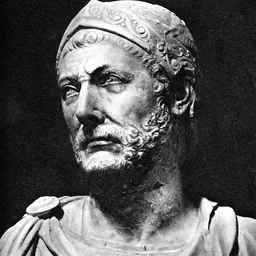

Related people
Same field, nearest in time





Contemporaries
People whose lives overlapped Amsicora's

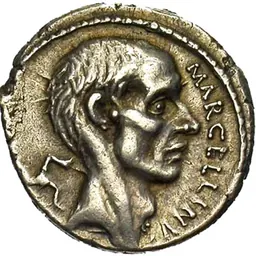
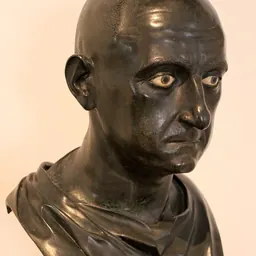
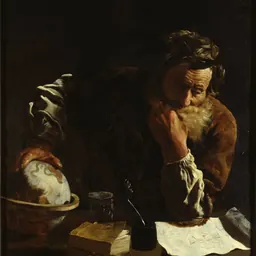

Frequently asked questions
Who was Amsicora?
Sardo-Carthaginian soldier
When was Amsicora born?
Amsicora was born in 250 BC.
When did Amsicora die?
Amsicora died in 215 BC in Cornus.
What was Amsicora's occupation?
Amsicora was a large estate owner and soldier.
Sources & further reading
Cite this page
APA: Biography.guide. (2026). Amsicora. https://biography.guide/amsicora/
MLA: "Amsicora." Biography.guide, https://biography.guide/amsicora/.
Chicago: "Amsicora." Biography.guide. https://biography.guide/amsicora/.
Data last updated: 2026-09-20 · Spot an error? Report a correction.
Page generated 2026-09-27 05:20 UTC