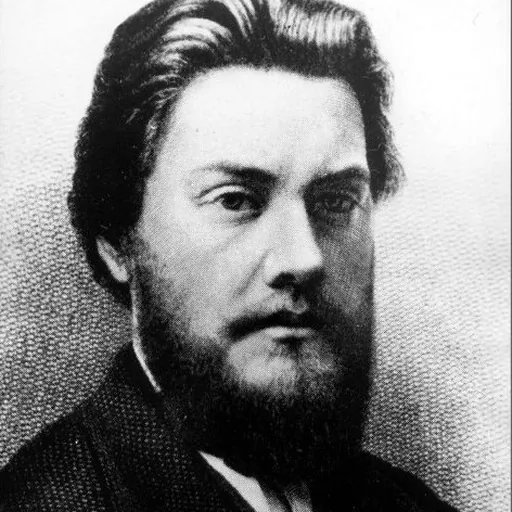
About Alexei Fedchenko
Lived 1844 – 1873 (aged 29). Alexei Fedchenko was a Russian explorer, geographer, botanist, entomologist, naturalist and scientist, known for Turkestan.
Alexei Pavlovich Fedchenko (; 31 August/15 September 1873), or Fedtschenko, was a Russian naturalist and explorer well known for his travels in central Asia. Alternative transliterations of his name, used in languages such as German, include Aleksei Pavlovich Fedtschenko and Alexei Pawlowitsch Fedtschenko.
Biography Fedchenko was born at Irkutsk, in Siberia, and after attending the gymnasium of his native town, proceeded to the University of Moscow, to study zoology and geology.
He married Olga Armfeldt, a botanist. In 1868, they travelled through Turkestan, Samarkand, Panjakent, and the upper Zarafshan River valley. In 1870, they explored the Fan Mountains south of the Zarafshan. In 1871, they reached the Alay Valley at Daroot-Korgan and saw the northern Pamir Mountains but were unable to penetrate southward.
He also collected significant numbers of insects from three explorations from 1869 to 1873. These were then studied by Ferdinand Morawitz in St Petersburg. He recorded 438 species belonging to 36 genera from Central Asia, 68 species of Andrena, 17 species from Europe, and 51 new species.
Soon after their return to Europe, he perished on Mont Blanc while engaged in a tour in France. He had been trying to look at glaciers in France to see how they compared with those in Turkestan. He was 29 years old. His widow had him buried in Chamonix.
After he died, his widow published his investigations and work, before she started re-exploring. She later worked with their son, Boris, but Olga remained an important botanist in her own right.
Alexei Fedchenko discovered the life cycle of Dracunculus which causes Dracunculiasis, more commonly known as Guinea worm disease (GWD). Accounts of the explorations and discoveries of Fedchenko were published by the Russian government: his Journeys in Turkestan in 1874, In the Khanat of Khokand in 1875, and Botanical Discoveries in 1876. See also Petermann's Mittheilungen (1872–1874). Bambusa fecunda fedtschenkoi, may have been named after him, also a lacewing in 1875, Lopezus fedtschenkoi (MacLachlan). A species of gecko, Tenuidactylus fedtschenkoi, is named in his honor.
Works 1875 Puteshestvie v Turkestan; zoogeographicheskia izledovania. Gos. izd-vo Geograficheskoi Literatury, Moskva.
Don’t just read it —
keep it.
Full-length biographies made to live with: read them, listen on the way to work, watch them tonight.
- E-book
- Audio
- Video
Instant download · yours to keep · every purchase keeps this site free
Important facts
more
A. P. Fedchenko, Alexei Fedčenko, Aleksey Fedčenko, Aleksey Pavlovich Fedchenko, Alexis Pavlovich Fedchenko, Aleksey Fedchenko, Aleksey Pavlovič Fedčenko, Alexei Pavlovič Fedčenko, Aleksei Fedchenko, FedchenkoRelated people
Same field, nearest in time



Contemporaries
People whose lives overlapped Alexei Fedchenko's

Frequently asked questions
Who was Alexei Fedchenko?
Russian naturalist and traveler (1844-1873)
When was Alexei Fedchenko born?
Alexei Fedchenko was born on 7 February 1844 in Irkutsk.
When did Alexei Fedchenko die?
Alexei Fedchenko died on 2 September 1873 in Mont Blanc.
What was Alexei Fedchenko's occupation?
Alexei Fedchenko was an explorer, geographer, botanist, entomologist, naturalist and scientist.
What was Alexei Fedchenko known for?
Alexei Fedchenko was known for Turkestan.
What nationality was Alexei Fedchenko?
Alexei Fedchenko was Russian.
Sources & further reading
Cite this page
APA: Biography.guide. (2026). Alexei Fedchenko. https://biography.guide/alexei-fedchenko/
MLA: "Alexei Fedchenko." Biography.guide, https://biography.guide/alexei-fedchenko/.
Chicago: "Alexei Fedchenko." Biography.guide. https://biography.guide/alexei-fedchenko/.
Data last updated: 2026-09-22 · Spot an error? Report a correction.
Portrait: Wikimedia Commons · author & licence
Page generated 2026-09-27 05:04 UTC