
Yosihiko H. Sinoto
Japanese-American anthropologist known for excavations in Hawaii and French Polynesia
About Yosihiko H. Sinoto
Lived 1924 – 2017 (aged 93). Yosihiko H. Sinoto was an American anthropologist and archaeologist.
Yosihiko H. Sinoto (September 3, 1924 – October 4, 2017) was a Japanese-born American anthropologist at the Bishop Museum in Honolulu, Hawaii. He is known for his anthropological expeditions throughout the Pacific, particularly Hawaii and French Polynesia.
Biography Sinoto was born in Tokyo in 1924. After World War II ended, he went to study at the University of California, but was recruited to be anthropologist Kenneth Emory's research assistant before he got there. In 1954 he moved to Hawaii, where he began his archaeological work at South Point on Hawaii. In 1960 he went to Tahiti, in French Polynesia.
He graduated as Bachelor of Arts at the University of Hawaiʻi in 1958 and he acquired his DSc at the University of Hokkaido in Japan in 1962.
In 1964-5 he excavated Hane in the Marquesas Islands, where he discovered more than 12,000 bird bones. Nearly 10,000 of them are reported to belong to about seven species of shearwaters and petrels.
On the island of Huahine, where he worked for 40 years, he helped to restore and preserve the prehistoric village of Maeva with its temple ruins, or marae. In 1977 he discovered the remnants of a deep-sea voyaging canoe. Sinoto's further expeditions led him to the Society Islands, Marquesas, Tuamotus and others, where he studied the settlements, artifacts, migration patterns and Polynesian cultural ties.
Though he officially retired in 2013, Sinoto continued to work until his death on October 4, 2017.
Yosihiko Sinoto's wife, Kazuko Sinoto, who died in 2013, was a historian of Japanese immigration. His son, Akihiko, was an archaeologist at the Bishop Museum.
Honors Hibiscus Sir Yosihiko Sinoto, a hybrid created by Jill Coryell to honor Sinoto, was unveiled in 2007. Sinoto is honored as a Tahitian chevalier (knight) of the Order of Tahiti Nui in 2000 and the Japanese Order of the Rising Sun, Gold and Silver Rays. He also was awarded the Society of Hawaiian Archaeology's Nakiʻikeaho Cultural Stewardship Award, the Bishop Museum's Robert J. Pfeiffer Medal, and the Historic Hawaii Foundation's lifetime achievement award. He was also named a Living Treasure of Hawaii.
Sinoto's lorikeet (Vini sinotoi), an extinct lorikeet species in the Marquesas Islands, and Sir Yosihiko Sinoto, a hybrid variety of hibiscus, are both named for him.
Don’t just read it —
keep it.
Full-length biographies made to live with: read them, listen on the way to work, watch them tonight.
- E-book
- Audio
- Video
Instant download · yours to keep · every purchase keeps this site free
Important facts
People in Yosihiko H. Sinoto's life
Named in this biography and alive at the same time

Related people
Same field, nearest in time
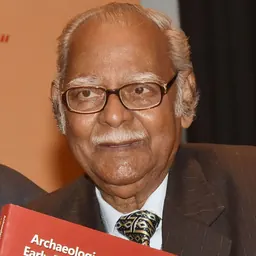

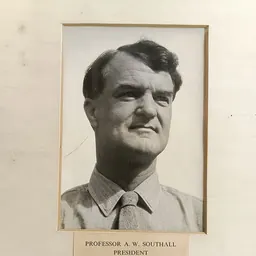

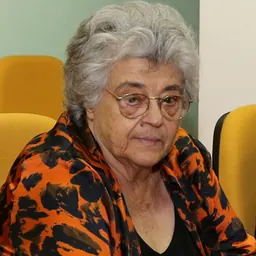

Contemporaries
People whose lives overlapped Yosihiko H. Sinoto's


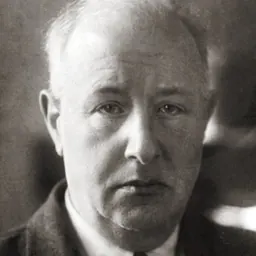

Frequently asked questions
Who was Yosihiko H. Sinoto?
Japanese-American anthropologist known for excavations in Hawaii and French Polynesia
When was Yosihiko H. Sinoto born?
Yosihiko H. Sinoto was born on 3 September 1924 in Tokyo.
When did Yosihiko H. Sinoto die?
Yosihiko H. Sinoto died on 4 October 2017 in Honolulu.
What was Yosihiko H. Sinoto's occupation?
Yosihiko H. Sinoto was an anthropologist and archaeologist.
What nationality was Yosihiko H. Sinoto?
Yosihiko H. Sinoto was American.
Sources & further reading
· Wikipedia: Yosihiko H. Sinoto
Cite this page
APA: Biography.guide. (2026). Yosihiko H. Sinoto. https://biography.guide/yosihiko-h-sinoto/
MLA: "Yosihiko H. Sinoto." Biography.guide, https://biography.guide/yosihiko-h-sinoto/.
Chicago: "Yosihiko H. Sinoto." Biography.guide. https://biography.guide/yosihiko-h-sinoto/.
Data last updated: 2026-09-20 · Spot an error? Report a correction.
Page generated 2026-09-27 05:26 UTC