
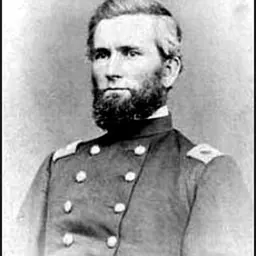
William L. Chaplin
American abolitionist
About William L. Chaplin
Lived 1796 – 1871 (aged 74). William L. Chaplin was an American abolitionism, known for Liberty Party (United States, 1840).
William Lawrence Chaplin (October 27, 1796 – April 28, 1871) was an abolitionist in the years before the American Civil War. Known by the title of "General", he was an agent for the American Anti-Slavery Society and a general agent for the Underground Railroad. He was imprisoned for the attempted escape of two individuals, which required $25,000 to get out of jail and safely out of Maryland. He was an editor at two anti-slavery newspapers and he was a Harvard-educated lawyer for a couple of years. He and his wife operated the Glen Haven Water Cure spa in their later years.
Personal life Theodosia Gilbert Chaplin (center, seated at table) is shown in this daguerreotype made at the Fugitive Slave Convention, Cazenovia, New York, in 1850, a year before she married William L. Chaplin. To her right is Frederick Douglass. Behind them (standing) is Gerrit Smith. On either side of Smith are Emily and Mary Edmonson, young women who had been fugitive slaves on the Pearl. Chaplin was born on October 27, 1796, in Groton, Massachusetts. He was the son of Daniel Chaplin, a Congregationalist minister and Susanna Prescott Chaplin. His maternal grandfather was Col. William Prescott, a commander at the Battle of Bunker Hill. They had two children: Harriet Lawrence was born on December 5, 1852, and died nine years later on December 21, 1861. Theodosia Gilbert, born on April 11, 1855, married Reverend Frederick John Clegg Walton. They attended the First Congregational Church of Pittsfield led by Rev. John Todd. He became an abolitionist by 1833 when he joined the newly formed American Anti-Slavery Society.
He joined a group headed by Gerrit Smith that formed the Liberty Party in 1840. They were radical political abolitionists.
Underground Railroad and arrest
In 1846, he moved to Washington, D.C., and filled the position left by Charles Turner Torrey when he died in prison that year; The Vigilance Committee provided funding for purchasing enslaved blacks and for the rescue of fugitive slaves. he organized and financed the attempted escape of 77 slaves from Washington, D.C., in the Pearl incident in 1848
Chaplin and other abolitionists yearned for more meaningful roles in the fight against slavery. In December 1848, Chaplin made a call for direct action: "to storm the castle of tyranny and rescue from its cruel grasp its bruised and peeled victims". In 1849 or 1850, Chaplin helped Anna Maria Weems's sister Mary Jane (Stella) Weems and the Young family (Mary Jane's aunt, uncle and cousins) successfully escape slavery. (After later escaping, Garland was the chaplain of the 28th United States Colored Infantry Regiment during the Civil War.) The marker for the incident erroneously states that it was Allen who was the chaplain. (The Liberator states that the events took place in August 1849, but says Chaplin was under arrest in October 1850.) Chaplin was hit with a club (At some point during the incident or his arrest, Chaplin had been treated with "great cruelty and indignity".)
Anticipating the Fugitive Slave Act of 1850, the Cazenovia convention was held on August 21 and 22, 1850, in Cazenovia, New York. It was organized by Charles Bennett Ray and Gerrit Smith of the New York State Vigilance Association and attended by Frederick Douglass and Mary and Elizabeth Edmonson, who were fugitives during the Pearl incident and subsequently ran away. where Chaplin and Theodosia Gilbert were married on August 12, 1851. Theodosia died on April 11, 1855, after the birth of her second child. Harriet, Theodosia, and William were buried at the Cortland Rural Cemetery.
Don’t just read it —
keep it.
Full-length biographies made to live with: read them, listen on the way to work, watch them tonight.
- E-book
- Audio
- Video
Instant download · yours to keep · every purchase keeps this site free
Important facts
People in William L. Chaplin's life
Named in this biography and alive at the same time
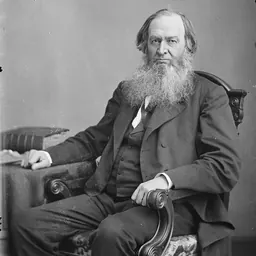

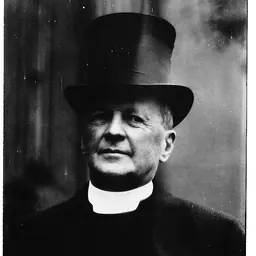
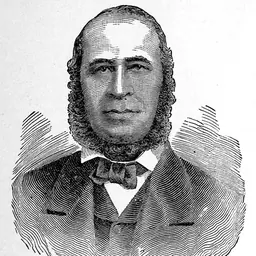

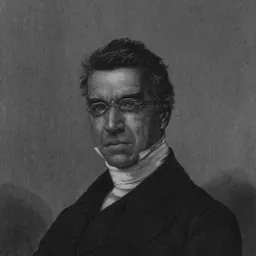
Contemporaries
People whose lives overlapped William L. Chaplin's






Frequently asked questions
Who was William L. Chaplin?
American abolitionist
When was William L. Chaplin born?
William L. Chaplin was born on 27 October 1796 in Groton.
When did William L. Chaplin die?
William L. Chaplin died on 28 April 1871 in Cortland.
What was William L. Chaplin's occupation?
William L. Chaplin was an abolitionism.
What was William L. Chaplin known for?
William L. Chaplin was known for Liberty Party (United States, 1840).
What nationality was William L. Chaplin?
William L. Chaplin was American.
Sources & further reading
· Wikipedia: William L. Chaplin
Cite this page
APA: Biography.guide. (2026). William L. Chaplin. https://biography.guide/william-l-chaplin/
MLA: "William L. Chaplin." Biography.guide, https://biography.guide/william-l-chaplin/.
Chicago: "William L. Chaplin." Biography.guide. https://biography.guide/william-l-chaplin/.
Data last updated: 2026-09-22 · Spot an error? Report a correction.
Page generated 2026-09-27 05:18 UTC