
About William Boog Leishman
Lived 1865 – 1926 (aged 60). William Boog Leishman was a British military physician, pathologist and bacteriologist.
Lieutenant-General Sir William Boog Leishman, ( ; 6 November 1865 – 2 June 1926) was a Scottish pathologist and British Army medical officer. He was Director-General of Army Medical Services from 1923 to 1926.
Biography
Leishman was born in Glasgow and attended Westminster School and the University of Glasgow and entered the Royal Army Medical Corps. He served in India, where he did research on enteric fever and kala-azar. He returned to the United Kingdom and was stationed at the Victoria Hospital in Netley in 1897. In 1900 he was made assistant professor of pathology in the Army Medical School, and described a method of staining blood for malaria and other parasites—a modification and simplification of the existing Romanowsky method using a compound of methylene blue and eosin, which became known as Leishman's stain.
In 1901, while examining pathologic specimens of a spleen from a patient who had died of kala azar (now called "visceral leishmaniasis"), he observed oval bodies and published his account of them in 1903. Charles Donovan of the Indian Medical Service independently found such bodies in other kala azar patients, and they are now known as Leishman–Donovan bodies (not to be confused with Donovan bodies, which are found in Granuloma inguinale, which is caused by Klebsiella granulomatis) and recognized as the protozoan that causes kala azar, Leishmania donovani.
Leishman's name was engraved into the history of parasitology by Sir Ronald Ross, who was impressed by Leishman's work and classified the etiologic agent of kala azar into the separate genus Leishmania. The parasitic organisms from this genus were described earlier by Peter Borovsky in 1892.
Leishman also helped elucidate the life cycle of Spirochaeta duttoni, which causes African tick fever, and, with Almroth Wright, helped develop an effective anti-typhoid inoculation.
He was president of the Royal Society of Tropical Medicine and Hygiene in 1911–1912 and Director General of the Army Medical Services from 1923 to 1926. He was promoted to lieutenant general in July 1923.
He is buried on the eastern side of Highgate Cemetery.
Recognition Leishman's name features on the Frieze of the London School of Hygiene & Tropical Medicine. Twenty-three names of public health and tropical medicine pioneers were chosen to feature on the School building in Keppel Street when it was constructed in 1926.
A memorial fund was instituted by subscriptions raised in memory of him and the Leishman Memorial Prize is now awarded annually for work in any branch of medicine, surgery, allied sciences or general duties of the RAMC or RADC.
Don’t just read it —
keep it.
Full-length biographies made to live with: read them, listen on the way to work, watch them tonight.
- E-book
- Audio
- Video
Instant download · yours to keep · every purchase keeps this site free
Important facts
People in William Boog Leishman's life
Named in this biography and alive at the same time


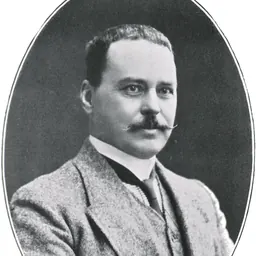


Related people
Same field, nearest in time
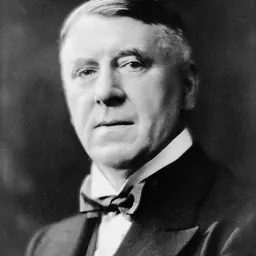


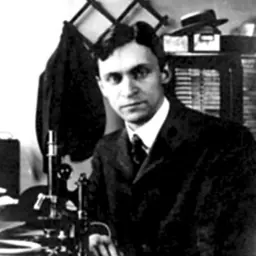
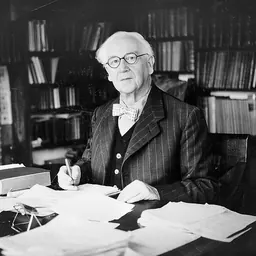
Contemporaries
People whose lives overlapped William Boog Leishman's



Frequently asked questions
Who was William Boog Leishman?
British Army general (1865–1926)
When was William Boog Leishman born?
William Boog Leishman was born on 6 November 1865 in Glasgow.
When did William Boog Leishman die?
William Boog Leishman died on 2 June 1926 in London.
What was William Boog Leishman's occupation?
William Boog Leishman was a military physician, pathologist and bacteriologist.
What nationality was William Boog Leishman?
William Boog Leishman was British.
Sources & further reading
· Wikipedia: William Boog Leishman
· DBpedia: William Boog Leishman
Cite this page
APA: Biography.guide. (2026). William Boog Leishman. https://biography.guide/william-boog-leishman/
MLA: "William Boog Leishman." Biography.guide, https://biography.guide/william-boog-leishman/.
Chicago: "William Boog Leishman." Biography.guide. https://biography.guide/william-boog-leishman/.
Data last updated: 2026-09-20 · Spot an error? Report a correction.
Page generated 2026-09-27 05:29 UTC