
About Vulca
Lived 600 BC – 600. Vulca was a sculptor.
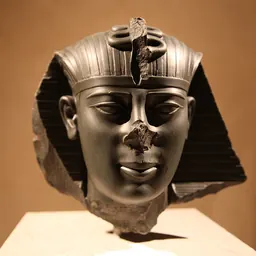
Vulca of Veii was an Etruscan artist from the town of Veii. The only Etruscan artist mentioned by ancient writers, he worked for the last of the Roman kings, Tarquinius Superbus (supposed to have died in 495 BC). He is responsible for creating a terracotta statue of Jupiter and a four-horse chariot for the Temple of Jupiter Optimus Maximus on the Capitoline Hill, as well as a terracotta statue of Hercules, known as the Hercules Fictilis ("clay Hercules") from its composition. Some have postulated that he also constructred the Apollo of Veii. His statue of Jupiter was reputedly painted with cinnabar and victorious Roman generals would paint their faces red in imitation during their triumphal marches through Rome. Pliny the Elder wrote that his works were "the finest images of deities of that era...more admired than gold."
Don’t just read it —
keep it.
Full-length biographies made to live with: read them, listen on the way to work, watch them tonight.
- E-book
- Audio
- Video
Instant download · yours to keep · every purchase keeps this site free
Important facts
People in Vulca's life
Named in this biography and alive at the same time
Related people
Same field, nearest in time




Contemporaries
People whose lives overlapped Vulca's

Frequently asked questions
Who was Vulca?
Etruscan sculptor
When was Vulca born?
Vulca was born in 600 BC in Veii.
When did Vulca die?
Vulca died in 600 in Etruscans.
What was Vulca's occupation?
Vulca was a sculptor.
What nationality was Vulca?
Vulca's recorded nationality: Etruria.
Sources & further reading
Cite this page
APA: Biography.guide. (2026). Vulca. https://biography.guide/vulca/
MLA: "Vulca." Biography.guide, https://biography.guide/vulca/.
Chicago: "Vulca." Biography.guide. https://biography.guide/vulca/.
Data last updated: 2026-09-20 · Spot an error? Report a correction.
Page generated 2026-09-27 05:18 UTC