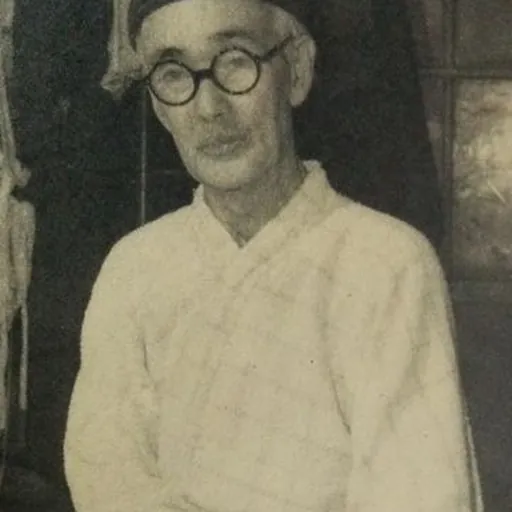
About Ujaku Akita
Lived 1883 – 1962 (aged 79). Ujaku Akita was a Japanese poet, writer, esperantist, playwright and novelist.
was the pseudonym of , a Japanese author and Esperantist. He is best known for his plays, books, and short stories for children.
Biography Born in Kuroishi, Aomori Prefecture, he studied English literature at Waseda University and became interested in socialism. In 1913 he learnt Esperanto from Vasili Eroshenko, as a result of a chance meeting, and soon became a leader of the proletarian Esperanto movement, and a member of the "La Semanto" group in 1921. He visited the USSR in 1927 for the celebrations of the tenth anniversary of the revolution. In January 1931 he helped found the national organization, Japana Prolet-Esperantista Unio (JPEU), with about 150 members, and with Akita as president. He translated Eroshenko's writings into Japanese, and wrote a textbook on Esperanto.
The rise of militarism in Japan led to difficulties for Akita; in the autumn of 1933 he was detained for several weeks, and forced to write a long statement about his activities. Nevertheless, he continued to work, founding a magazine the next year, Teatoro (named after the Esperanto word for theatre), which still exists. He joined the New Cooperative Theatre (Shinkyō Gekidan) but its activities were limited because it was no longer safe to stage plays with political themes. The JPEU was shut down by the police.
After the war he established a performing arts school and was active in other organizations, such as the New Japan Literary Society (Shin Nihon Bungakukai) and established the Japan Militant Atheists' Alliance (Nihon Sentokteki Mushinronsha Domei). He died in 1962. A museum in his hometown was opened in 1979.
Selected works
In Japanese Higashi no Kodomo ("Children in the East", anthology, 1921) Taiyô to Hanazono ("The Sun and the Flower Garden", anthology, 1921) Mohan Esuperanto-Dokusyu: Memlernanto de Esperanto ("Esperanto by Self-Study", with Osaka Kenji, textbook, 1927) Ujaku jiden ("Autobiography", 1953)
Translated into Esperanto Tri dramoj ("Three plays" translated in 1927 by Haĵime Ŝuzui, Kaname Susuki) Fonto de sudroj ("Shudras' Fountain") Danco de skeletoj ("Skeleton Dance") Nokto ĉe landolimoj. ("Night at the Frontiers") Tiuj, kiuj ĉirkaŭas la ĉerkon ("Those who gather round the coffin" translated c. 1925 by Junko Sibata)
Don’t just read it —
keep it.
Full-length biographies made to live with: read them, listen on the way to work, watch them tonight.
- E-book
- Audio
- Video
Instant download · yours to keep · every purchase keeps this site free
Important facts
People in Ujaku Akita's life
Named in this biography and alive at the same time
Related people
Same field, nearest in time

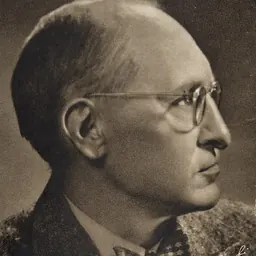
Contemporaries
People whose lives overlapped Ujaku Akita's

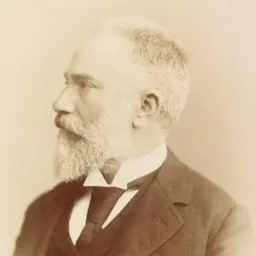
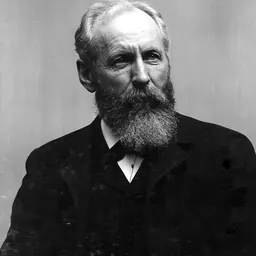

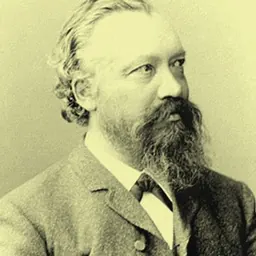
Frequently asked questions
Who was Ujaku Akita?
author and Esperantist (1883–1962)
When was Ujaku Akita born?
Ujaku Akita was born on 30 January 1883 in Aomori Prefecture.
When did Ujaku Akita die?
Ujaku Akita died on 12 May 1962 in Nakamaruchō.
What was Ujaku Akita's occupation?
Ujaku Akita was a poet, writer, esperantist, playwright and novelist.
What nationality was Ujaku Akita?
Ujaku Akita was Japanese.
Sources & further reading
Cite this page
APA: Biography.guide. (2026). Ujaku Akita. https://biography.guide/ujaku-akita/
MLA: "Ujaku Akita." Biography.guide, https://biography.guide/ujaku-akita/.
Chicago: "Ujaku Akita." Biography.guide. https://biography.guide/ujaku-akita/.
Data last updated: 2026-09-21 · Spot an error? Report a correction.
Portrait: Wikimedia Commons · author & licence
Page generated 2026-09-27 04:58 UTC