
About Tsubouchi Shōyō
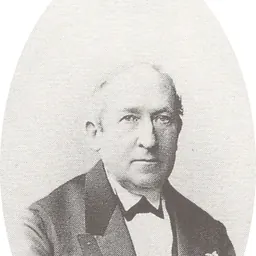
Lived 1859 – 1935 (aged 75). Tsubouchi Shōyō was a Japanese writer, translator, novelist, university teacher, playwright and director.
__NoTOC__
was a Japanese author, critic, playwright, translator, editor, educator, and professor at Waseda University. He has been referred to as a seminal figure in Japanese drama.
Biography He was born , in Gifu prefecture. He also used the pen name .
His book of criticism, , helped free novels and dramas from the low opinion that the Japanese had of such literature. Tsubouchi's writings on realism in literature influenced Masaoka Shiki's ideas about realism in haiku. Tsubouchi's novel, , was one of the earliest modern novels in Japan.
His Kabuki play was influenced by his studies of both the famous Kabuki and Jōruri (puppet theater) dramatist Chikamatsu Monzaemon and William Shakespeare. The play, in turn, influenced modern Kabuki. He also did a complete translation of the plays of Shakespeare, written in the old-fashion language of Kabuki.
His modern play, , incorporating traditional dance and music, was a popular and critical success. The play was a retelling of a familiar Japanese folk-tale with a Rip Van Winkle-like protagonist, Urashima Tarō.
Besides Shakespeare, he also translated a number of other works from English into Japanese, including Sir Walter Scott's and Bulwer-Lytton's novel .
Tsubouchi founded and edited the periodical , which published from 1891 to 1898. Tsubouchi is also noted for the long running ronsō (literary dispute) that he carried on with Mori Ōgai.
The Waseda University Tsubouchi Memorial Theatre Museum was named in his honour and houses a large collection of his works. A bronze bust of him was also placed there.
Works Criticism Shōsetsu Shinzui (The Essence of the Novel) (1885)
Novel Tōsei Shosei Katagi (Portraits of Contemporary Students) (1885) Saikun (1889)
Kabuki plays Kiri Hitoha (A Paulownia Leaf) written 1894-5, and performed in 1904 Maki no Kata (1896) Hototogisu Kojō no Rakugetsu (The Sinking Moon over the Lonely Castle Where the Cuckoo Cries) (1897)
Modern dramas Shinkyoku Urashima (The New Urashima) (1904) En no Gyōja (En the Ascetic) (1916)
Don’t just read it —
keep it.
Full-length biographies made to live with: read them, listen on the way to work, watch them tonight.
- E-book
- Audio
- Video
Instant download · yours to keep · every purchase keeps this site free
Important facts
People in Tsubouchi Shōyō's life
Named in this biography and alive at the same time

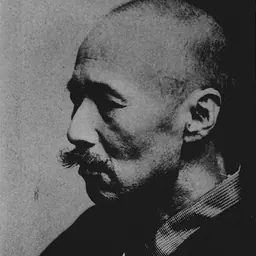
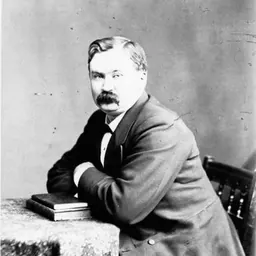
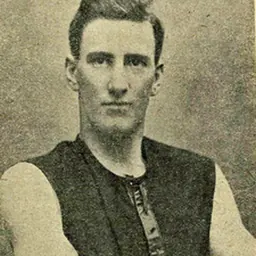
Related people
Same field, nearest in time
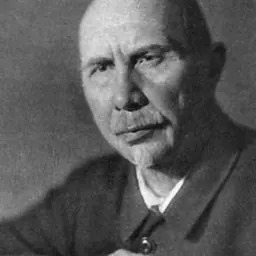
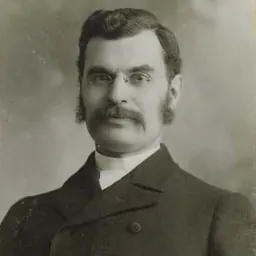



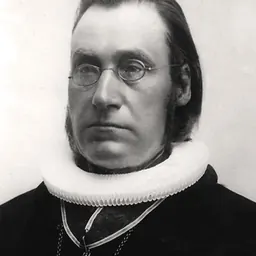
Contemporaries
People whose lives overlapped Tsubouchi Shōyō's

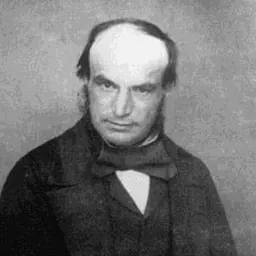
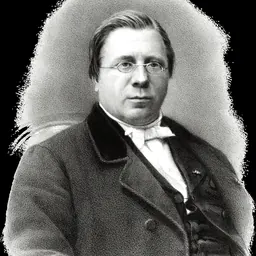


Frequently asked questions
Who was Tsubouchi Shōyō?
Japanese writer (1859–1935)
When was Tsubouchi Shōyō born?
Tsubouchi Shōyō was born on 22 May 1859 in Ōta-juku.
When did Tsubouchi Shōyō die?
Tsubouchi Shōyō died on 28 February 1935 in Atami.
What was Tsubouchi Shōyō's occupation?
Tsubouchi Shōyō was a writer, translator, novelist, university teacher, playwright and director.
What nationality was Tsubouchi Shōyō?
Tsubouchi Shōyō was Japanese.
Sources & further reading
Cite this page
APA: Biography.guide. (2026). Tsubouchi Shōyō. https://biography.guide/tsubouchi-shoyo/
MLA: "Tsubouchi Shōyō." Biography.guide, https://biography.guide/tsubouchi-shoyo/.
Chicago: "Tsubouchi Shōyō." Biography.guide. https://biography.guide/tsubouchi-shoyo/.
Data last updated: 2026-09-20 · Spot an error? Report a correction.
Page generated 2026-09-27 05:27 UTC