
About Tokugawa Nariaki
Lived 1800 – 1860 (aged 60). Tokugawa Nariaki was a Japanese politician and painter.
Tokugawa Nariaki (徳川 斉昭, April 4, 1800 – September 29, 1860) was a Japanese daimyō who ruled the Mito Domain (now Ibaraki Prefecture) and contributed to the rise of nationalism and the Meiji Restoration.
Biography
Clan leader Nariaki was the 3rd son of Tokugawa Harutoshi, the seventh-generation daimyō of Mito. The family headship first passed to Harutoshi's eldest son Narinobu, before being passed on to Nariaki in 1829. Nariaki was also leader of the Jōi (expel the barbarian) party and made a Bakufu adviser on national defence. His childhood name was Torasaburo (虎三郎) later changed to Keisaburo (敬三郎).
Bakufu official Nariaki was put in charge of Bakufu efforts to defend the country against encroaching foreigners. His own view was that the bakufu should strengthen its military and fight the foreigners, and was at odds with Ii Naosuke on the issue. He was pro-emperor and favored imperial restoration. Nariaki also greatly expanded the Mitogaku school established by Tokugawa Mitsukuni. He wrote a document entitled "Japan, Reject the Westerners" in 1853. in this document, he stated ten reasons why Japan should stay isolated from the rest of the world. He said that the Japanese people had a choice between war and peace, but clearly to him, the Japanese people should choose war so that Westerners would not intrude into Japan's affairs.
Nariaki was significantly influenced by the Kokugaku school. Ōkuni Takamasa, a student of Hirata Atsutane attempted to persuade him to combine ritual with technology in order to protect Japan's borders and expand Japan as an empire. This depended on reinvigorating the Japanese "national spirit". in favor of his son Yoshiatsu, and died of a heart attack in 1860, at age 60.
Three of the leading figures of the 1860s were in fact natural brothers, all being sons of Nariaki: Hitotsubashi Yoshinobu, who became the 15th and last shōgun as Tokugawa Yoshinobu in 1866; Tokugawa Yoshiatsu of Mito; and Ikeda Yoshinori of Inaba (Tottori).
Family Father: Tokugawa Harutoshi Mother: Toyama-dono Wife: Arisugawa Yoshiko (1804–1893) 1st Son: Tokugawa Yoshiatsu (1832–1868) 2nd Son: Jiromaro (1833–1834) 5th Daughter: Mihime (1835–1835) 7th Son: Tokugawa Yoshinobu Concubine: Harigawa-dono 1st Daughter: Masahime (1822–1839) 2nd Daughter: Iromotohime (1825–1826) 3rd Daughter: Iwaihime (1827–1853) married Yamanobe Yoshimasa Concubine: Onao no Kata 4th Daughter: Hirohime (1834–1835) b 4th Son: Shiromaro (1835–1836) 7th Daughter: Yohime (1837–1843) 7th Son: Matsudaira Naoyoshi (1839–1862) 8th Daughter: Ichiyohime (1840–1843) Son: Matsudaira Takeakira (1842–1882) of Hamada Domain 13th Son: Yosanmaro (1844–1844) Concubine: Sadako 3rd Son: Saburomaro (1835–1837) 6th Daughter: Matsuhime (1836–1903) married Nanbu Toshihisa 5th Son: Ikeda Yoshinari (1837–1877) of Tottori Domain 9th Son: Ikeda Mochimasa (1839–1899) of Okayama Domain 9th Daughter: Takako (1841–1869) married Date Yoshikuni 12th Son: Yonimaro (1844-1844) Concubine: Yanagihara-dono 6th Son: Rokuromaro (1837–1838) Concubine: Toshiko 12th Daughter: Seihime (1843–1844) 11th son: Kitsuregawa Tsunauji (1844–1874) of Kitsuregawa Domain Concubine: Mutsuko 14th Son: Matsudaira Akikuni (1849–1864) 11th Daughter: Tokugawa Sadako (1850–1872) married Prince Arisugawa Taruhito 17th Son: Tsuchiya Shigenao (1854–1904) of Tsuchiura Domain 18th Son: Tokugawa Akitake 20th Son: Tatsumoro (1856–1858) 22nd Son: Matsudaira Yoriyuki (1858–1873) of Moriyama Domain Concubine: Tokuko 15th Son: Yogomaro (1849-1849) 16th Son: Matsudaira Tadakazu 12th Daughter: Aihime (1852–1914) married Inoue Masayori 21st Son: Ichimaru (1856–1856) Concubine: Michiko 13th Daughter: Hisahime (1853-1853) Concubine: Etsuko 19th Son: Matsudaira Nobunori 14th Daughter: Yasuhime (1857–1859) 15th Daughter: Masahime (1858–1873)
Works
Published posthumously: Kōdōkan ki 弘道館記 (1937). Ed. by Meiji Seitoku Kinen Gakkai 明治聖德記念學會. Tokyo: Meiji Seitoku Kinen Gakkai 明治聖德記念學會. Meikun ippanshō 明君一斑抄 (1910–1911). Ed. by Kurokawa Mamichi 黒川真道. Tokyo: Dōbunkan 同文館.
Honours Senior First Rank (June 27, 1903; posthumous)
Don’t just read it —
keep it.
Full-length biographies made to live with: read them, listen on the way to work, watch them tonight.
- E-book
- Audio
- Video
Instant download · yours to keep · every purchase keeps this site free
Important facts
People in Tokugawa Nariaki's life
Named in this biography and alive at the same time

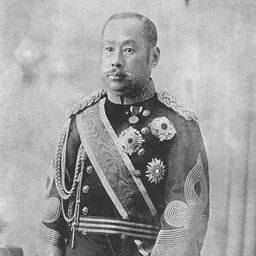

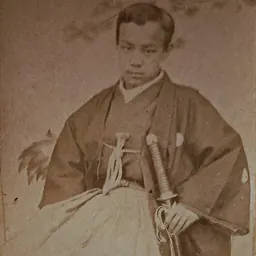
Related people
Same field, nearest in time
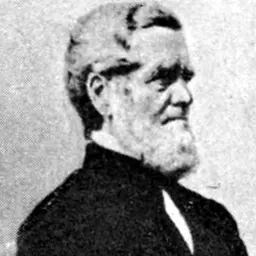


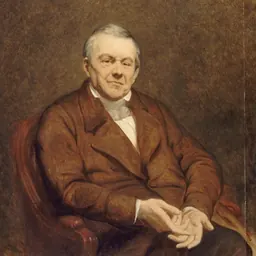

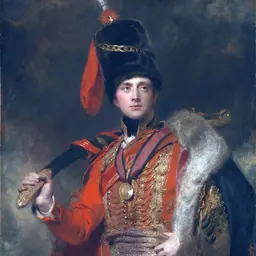
Contemporaries
People whose lives overlapped Tokugawa Nariaki's






Frequently asked questions
Who was Tokugawa Nariaki?
Japanese daimyo (1800-1860)
When was Tokugawa Nariaki born?
Tokugawa Nariaki was born on 4 April 1800 in Edo.
When did Tokugawa Nariaki die?
Tokugawa Nariaki died on 29 September 1860.
What was Tokugawa Nariaki's occupation?
Tokugawa Nariaki was a politician and painter.
What nationality was Tokugawa Nariaki?
Tokugawa Nariaki was Japanese.
Sources & further reading
Cite this page
APA: Biography.guide. (2026). Tokugawa Nariaki. https://biography.guide/tokugawa-nariaki/
MLA: "Tokugawa Nariaki." Biography.guide, https://biography.guide/tokugawa-nariaki/.
Chicago: "Tokugawa Nariaki." Biography.guide. https://biography.guide/tokugawa-nariaki/.
Data last updated: 2026-09-20 · Spot an error? Report a correction.
Page generated 2026-09-27 05:17 UTC