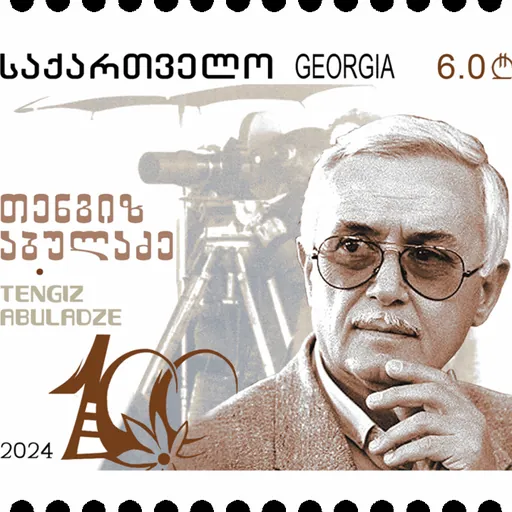
About Tengiz Abuladze
Lived 1924 – 1994 (aged 70). Tengiz Abuladze was a Russian and Georgian film director, screenwriter and filmmaker.
Tengiz Evgenis dze Abuladze (; 31 January 19246 March 1994) was a Georgian film director, screenwriter, theatre teacher and People's Artist of the USSR. He is regarded as one of the best Soviet directors.
Biography Abuladze studied theatre direction (1943–1946) at the Shota Rustaveli Theatre Institute, Tbilisi, Georgia, and filmmaking at the VGIK (All-Union State Institute of Cinematography) in Moscow. He graduated from VGIK in 1952 and in 1953 he joined Gruziya-film (Georgia Film Studios) as a director. He was awarded the title of People's Artist of the Georgian SSR in 1966 and subsequently People's Artist of the USSR in 1980.
His first film, Magdana's Donkey (1956), which he directed with Rezo Chkheidze, won the "Best Fiction Short" award at the 1956 Cannes Film Festival. He is most famous for his film trilogy: The Plea (The Supplication) (1968), The Wishing Tree (1977), and Repentance (1984, released 1987), which won him the Lenin Prize (1988) and the first Nika Award for Best Picture. Repentance won the Special Jury Prize at the 1987 Cannes Film Festival. In 1987 he was a member of the jury at the 15th Moscow International Film Festival.
Abuladze came to prominence in the Soviet Union under perestroika when his banned film Repentance, a blistering expose of the Stalinist terror, was released in 1986.
Repentance revolves around the death of an old tyrant, Varlam Aravidze, and the refusal of a woman, Ketevan Barateli, to leave his corpse in peace. She repeatedly disinters the corpse and at the trial disinters also the forbidden secrets of the past. Aravidze is universalised as Adolf Hitler, Benito Mussolini, Joseph Stalin, but most obviously as Stalin's fellow Georgian Lavrentiy Beria.
Film career Returning to Tbilisi with his fellow Georgian Revaz Chkheidze, Abuladze joined the Gruziafilm studios and together they began their career making documentary films about their country's folklore. In 1955 they made their first non-documentary film, Magdana's Donkey, which won the Best Short Film award at Cannes in 1956. Abuladze's next work was the feature-length Other People's Children (1958), a psychological portrait of life in Tbilisi. This was followed by Me, Grandma, Iliko and Ilarion (1962), a tragicomedy of morals in a mountain village, and the lyrical comedy A Necklace for My Beloved (1973).
Abuladze's reputation is, however, based on a trilogy of films that deal with fundamental questions of good and evil, love and hate, life and death. The first of these, The Plea (1968), was inspired by the poems of Vazha-Pshavela and shot in black-and-white against the severe Georgian landscape familiar from other films of the time. The second film in the trilogy, The Wishing Tree (1971), was an epic tale set in the same landscape and focusing on the hopes and reveries of a young woman and a man's search for the mythical tree that will make dreams come true. The Wishing Tree won festival prizes in Moscow, Czechoslovakia and Italy, and was awarded the State Prize of the Georgian Soviet Socialist Republic. From 1974 Abuladze taught at the Rustaveli Institute from which he had graduated three decades earlier.
In 1978 Abuladze joined the Communist Party of the Soviet Union, a normal career move at that time and in that context. In 1980 he was awarded the title People's Artist of the USSR. By now he was one of the leading Soviet Georgian filmmakers. On the surface, he was the perfect example of the Soviet cultural nomenklatura. Then in 1983–84 he made Repentance, the film (made for Georgian television) that was to catapult him to worldwide attention.
Like so many other films of the "period of stagnation", Repentance was left "on the shelf". So fearful was Abuladze that his film would be destroyed that he is reputed to have kept the only remaining copy under his bed. When Mikhail Gorbachev and glasnost arrived and the old guard in the Soviet filmmakers' union was unanimously ejected in 1986, a Conflict Commission was established to review these shelved films. With encouragement from the then-Soviet Foreign Minister, Eduard Shevardnadze, Repentance was released, first in Georgia and then across the Soviet Union, where it attracted record audiences and became the flagship film of the whole glasnost process.
Filmography Tengiz Abuladze made 12 films during his career. Five of them were documentaries and seven were fiction. His final film was going to be about Galaktion Tabidze and Ilia Chavchavadze, but it remained unfinished.
Year English title Original title Length Notes 1953 Chveni sasakhle ჩვენი სასახლე Unknown Documentary 1954 Qartuli tsekvis sakhelmtsipo ansambli ქართული ცეკვის სახელმწიფო ანსამბლი Unknown Documentary 1955 Dimitriy Arakishvili დიმიტრი არაყიშვილი Unknown Documentary 1955 Magdana's Donkey მაგდანას ლურჯა 63 min 1958 Other People's Children სხვისი შვილები 77 min also screenplay writer with Rezo Japaridze 1962 Me, Grandma, Iliko and Ilarion მე,ბებია,ილიკო და ილარიონი 92 min also screenplay writer with Nodar Dumbadze. Based upon his novel Me, Grandma, Iliko and Ilarioni. 1955 Svanur-Tushuri chanakhatebi სვანური ჩანახატები Unknown Documentary 1967 The Plea ვედრება 72 min also screenplay writer with Rezo Kveselava and Anzor Salukvadze. Based on the poems of Vazha-Pshavela – Host and Guest and Aluda Ketelauri. 1971 A Necklace for My Beloved სამკაული ჩემი სატრფოსათვის 70 min also screenplay writer with Akhmed Abu-Bakar and Tamaz Meliava. Based on a short story of Akhmed Abu-Bakar. 1972 Muzeumi gia tsis qvesh მუზეუმი ღია ცის ქვეშ Unknown Documentary 1976 The Wishing Tree ნატვრის ხე 87 min also screenplay writer with Revaz Inanishvili 1984 Repentance მონანიება 153 min also screenplay writer with Nana Janelidze and Rezo Kveselava
Don’t just read it —
keep it.
Full-length biographies made to live with: read them, listen on the way to work, watch them tonight.
- E-book
- Audio
- Video
Instant download · yours to keep · every purchase keeps this site free
Important facts
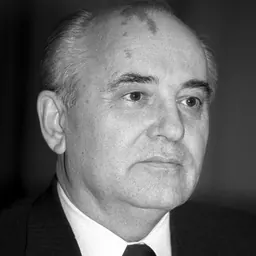
People in Tengiz Abuladze's life
Named in this biography and alive at the same time




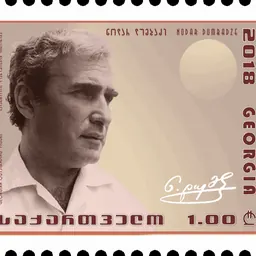


Related people
Same field, nearest in time
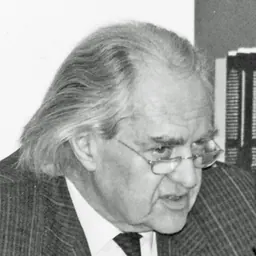

Contemporaries
People whose lives overlapped Tengiz Abuladze's

Frequently asked questions
Who was Tengiz Abuladze?
Soviet film director (1924-1994)
When was Tengiz Abuladze born?
Tengiz Abuladze was born on 31 January 1924 in Kutaisi.
When did Tengiz Abuladze die?
Tengiz Abuladze died on 6 March 1994 in Tbilisi.
What was Tengiz Abuladze's occupation?
Tengiz Abuladze was a film director, screenwriter and filmmaker.
What nationality was Tengiz Abuladze?
Tengiz Abuladze was Russian and Georgian.
Sources & further reading
Cite this page
APA: Biography.guide. (2026). Tengiz Abuladze. https://biography.guide/tengiz-abuladze/
MLA: "Tengiz Abuladze." Biography.guide, https://biography.guide/tengiz-abuladze/.
Chicago: "Tengiz Abuladze." Biography.guide. https://biography.guide/tengiz-abuladze/.
Data last updated: 2026-09-24 · Spot an error? Report a correction.
Portrait: Wikimedia Commons · author & licence
Page generated 2026-09-27 05:09 UTC