
About Roger C. Weightman
Lived 1787 – 1876 (aged 89). Roger C. Weightman was an American politician, community leader, printer and national Intelligencer.
Roger Chew Weightman (June 15, 1787 – February 2, 1876) was an American politician, civic leader, and printer. He was the eighth mayor of Washington, D.C. from 1824 to 1827.
Early and family life Weightman was born in Alexandria, Virginia, in 1787, moving into the new capital in 1800 and taking an apprenticeship with a local printer. His father Richard Weightman was an emigrant from Whitehaven, England. Chew was his mother's maiden name.
Printer and soldier Weightman bought the printing business in 1807, making him a congressional printer. He maintained a number of shops on Pennsylvania Avenue, about ten blocks from the White House, from about 1813 onward. He was a successful businessman, running a book store and owning several buildings, including ones used by the city for offices until City Hall was built. ) was apprehended by the British troops descending on the White House during the Siege of Washington, a battle in the War of 1812, and was made to march with them to the Executive Mansion. Rear Admiral George Cockburn made Weightmann accompany the invaders into the mansion where the admiral teased him with mischievous relish. When Cockburn told him to select a memento of the visit, Weightman chose an item of value, only to be told by the admiral that everything of value would be destroyed and that he must instead select a worthless souvenir. Weightman choose a souvenir (albeit one of no monetary value) to remember the day the American capital was defeated.
Mayor of Washington D.C. After serving seven one-year terms as an alderman on Washington's city council, the council elected Weightman in 1824 to serve the remainder of the late mayor Samuel N. Smallwood's term. In 1826 he ran against former mayor Thomas Carbery; four years prior, Weightman had run against Carbery for mayor and lost by a narrow margin, but had then pressed the matter in court in a legal battle that lasted until the end of Carbery's term. In 1824, Weightman won more decisively by use of blustery promises and insults against his opponent. One handbill from the era reads, NOTICE EXTRAORDINARY. R.C. Weightman, a man of known liberal principles; all those who vote for this gentleman at tomorrow's election, will have general permission to sleep on the Benches in the Market House, this intense warm weather. May the curse of Dr. Slop light on all those who vote for Tom Carberry.
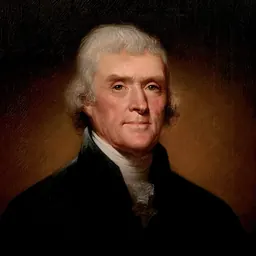
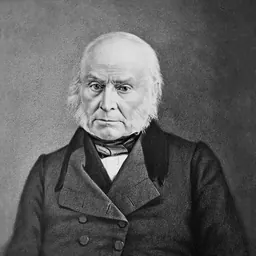
While mayor, Weightman headed the 1825 committee for the inauguration of John Quincy Adams, then the following year chaired the national memorial committee for the president's deceased father and his successor Thomas Jefferson.
In 1827, Weightman became cashier of the Washington Bank, and resigned his position as mayor. He would run again, unsuccessfully, against Walter Lenox in 1850.
Thomas Jefferson's last letter The last letter that Thomas Jefferson, the third president of the United States and the writer of the Declaration of Independence, ever wrote was sent to Roger C. Weightman. It was a letter declining an invitation to join a celebration for the 50th anniversary of the signing of the Declaration of Independence. The letter says:
Later years Weightman was always heavily involved in the civic activity of the District.
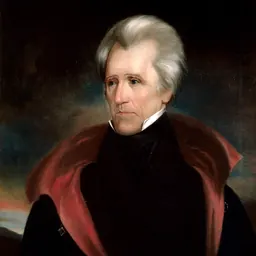
During the 1820s, Weightman was a member of the prestigious society, Columbian Institute for the Promotion of Arts and Sciences, who counted among their members former presidents Andrew Jackson and John Quincy Adams and many prominent men of the day, including well-known representatives of the military, government service, medical and other professions.
In the years following his mayoralty, Weightman would be curator of the Columbia Institute; a founding member and officer of the Washington National Monument Society; Grand Master of the Freemasons of the District of Columbia; chief clerk, and later librarian, of the United States Patent Office; and the center of Washington's social activity. It later became the Roger C. Weightman School for Crippled Children and still later Roger C. Weightman Elementary School. It was razed sometime after 1938.
Don’t just read it —
keep it.
Full-length biographies made to live with: read them, listen on the way to work, watch them tonight.
- E-book
- Audio
- Video
Instant download · yours to keep · every purchase keeps this site free
Important facts
People in Roger C. Weightman's life
Named in this biography and alive at the same time


Related people
Same field, nearest in time


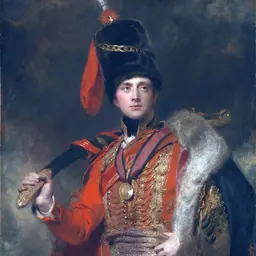
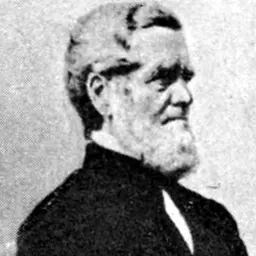

Contemporaries
People whose lives overlapped Roger C. Weightman's


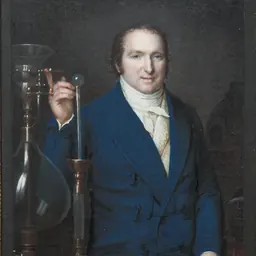
Frequently asked questions
Who was Roger C. Weightman?
American politician (1787–1876)
When was Roger C. Weightman born?
Roger C. Weightman was born on 18 January 1787 in Alexandria.
When did Roger C. Weightman die?
Roger C. Weightman died on 2 February 1876 in Washington, D.C..
What was Roger C. Weightman's occupation?
Roger C. Weightman was a politician, community leader, printer and national Intelligencer.
What nationality was Roger C. Weightman?
Roger C. Weightman was American.
Sources & further reading
· Wikipedia: Roger C. Weightman
Cite this page
APA: Biography.guide. (2026). Roger C. Weightman. https://biography.guide/roger-c-weightman/
MLA: "Roger C. Weightman." Biography.guide, https://biography.guide/roger-c-weightman/.
Chicago: "Roger C. Weightman." Biography.guide. https://biography.guide/roger-c-weightman/.
Data last updated: 2026-09-20 · Spot an error? Report a correction.
Page generated 2026-09-27 05:17 UTC