
Richard Whiting
English abbot
About Richard Whiting
Lived 1460 – 1539 (aged 78–79). Richard Whiting was a British religious person.
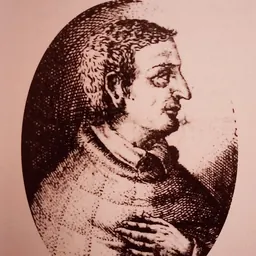
Richard Whiting O.S.B (1461 – 15 November 1539) was an English monk and the last Abbot of Glastonbury.
Whiting presided over Glastonbury Abbey at the time of the Dissolution of the Monasteries (1536–1541) under King Henry VIII of England. The king had him hanged, drawn and quartered after his conviction for treason for remaining loyal to Rome. He is considered a martyr by the Catholic Church, which beatified him on 13 May 1895.
Early life Richard Whiting was born near Wrington. He was educated at Glastonbury Abbey, and then at the Monk's Hostel at Cambridge, graduating with an MA in 1483. He was a sober and caring spiritual leader and a good manager of the abbey's day-to-day life. Contemporary accounts show that Whiting was held in very high esteem.
The abbey over which Whiting presided was one of the richest and most influential in England. About one hundred monks lived in the enclosed monastery, where the sons of the nobility and gentry were educated before going on to university. As Abbot of Glastonbury, Whiting was a peer of the realm and administrator of vast estates.
Whiting signed his assent to the Act of Supremacy when it was first presented to him and his monks in 1534. Henry sent Richard Layton to examine Whiting and the other inhabitants of the abbey. He found all in good order, but suspended the abbot's jurisdiction over the town of Glastonbury. Small "injunctions" were given to him about the management of the abbey property. A number of times over the years which followed, Whiting was told the abbey was safe from dissolution. The precise charge on which he was arrested, and subsequently executed, remains uncertain, though his case is usually referred to as one of treason. Cromwell clearly acted as judge and jury: in his manuscript Remembrances are the entries:
Marillac, the French Ambassador, on 25 October wrote: "The Abbot of Glastonbury. . . has lately, been put in the Tower, because, in taking the Abbey treasures, valued at 200,000 crowns, they found a written book of arguments in behalf of Queen Katherine."
Whiting was the subject of a novel, The Last Abbot of Glastonbury (1883), by Augustine David Crake.
In 2023, a pastoral area of the Roman Catholic Diocese of Clifton was named in honour of Whiting.
Don’t just read it —
keep it.
Full-length biographies made to live with: read them, listen on the way to work, watch them tonight.
- E-book
- Audio
- Video
Instant download · yours to keep · every purchase keeps this site free
Important facts
People in Richard Whiting's life
Named in this biography and alive at the same time

Related people
Same field, nearest in time

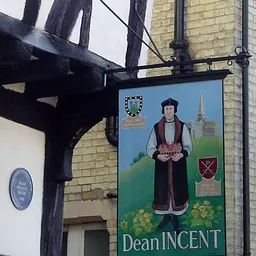

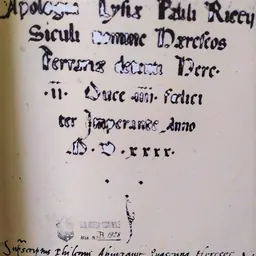


Contemporaries
People whose lives overlapped Richard Whiting's
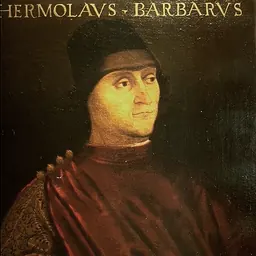
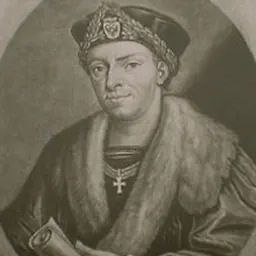


Frequently asked questions
Who was Richard Whiting?
English abbot
When was Richard Whiting born?
Richard Whiting was born in 1460 in Wrington.
When did Richard Whiting die?
Richard Whiting died on 15 November 1539 in Glastonbury.
What was Richard Whiting's occupation?
Richard Whiting was a religious person.
What nationality was Richard Whiting?
Richard Whiting was British.
Sources & further reading
· DBpedia: Richard Whiting (abbot)
Cite this page
APA: Biography.guide. (2026). Richard Whiting. https://biography.guide/richard-whiting/
MLA: "Richard Whiting." Biography.guide, https://biography.guide/richard-whiting/.
Chicago: "Richard Whiting." Biography.guide. https://biography.guide/richard-whiting/.
Data last updated: 2026-09-20 · Spot an error? Report a correction.
Page generated 2026-09-27 05:29 UTC