
Ralph Northam
Governor of Virginia from 2018 to 2022
About Ralph Northam
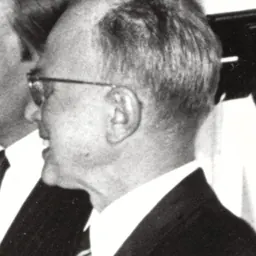
Born 1959. Ralph Northam is an American military physician, politician, neurologist, physician, writer and governor.
Ralph Shearer Northam (born September 13, 1959) is an American physician and former politician who served as the 73rd governor of Virginia from 2018 to 2022. A pediatric neurologist by occupation, he was an officer in the U.S. Army Medical Corps from 1984 to 1992. A member of the Democratic Party, he served as the 40th lieutenant governor of Virginia from 2014 to 2018 before winning the governorship against the Republican nominee Ed Gillespie in the 2017 election. Prohibited by the Virginia Constitution from running for a consecutive term, Northam left office in January 2022 and was succeeded by Republican Glenn Youngkin.
As governor, Northam's most notable accomplishments included expanding Medicaid coverage as allowed under the Affordable Care Act, abolishing the death penalty, legalizing marijuana, and raising the minimum wage. Northam also led the state during the COVID-19 pandemic, where he was the only governor in the United States who was a licensed doctor. An incident occurred in the 2019 Virginia political crisis, when it was revealed in early 2019 that he had appeared in blackface published in his college yearbooks. Despite the scandal and demands from black leaders to resign, Northam refused to do so and enjoyed wide popularity amongst Virginia voters through the rest of his term in office. Northam's concurrent political "rebirth" was celebrated in the mainstream media.
Northam is currently a neurologist at the Children's Hospital of The King's Daughters in Norfolk where his clinical interests are epilepsy and neuromuscular disorders.
Early life, family history, and education Northam was born in the town of Nassawadox on Virginia's Eastern Shore on September 13, 1959. He and his older brother of two years, Thomas, were raised on a water-side farm, just outside Onancock, Virginia. As a teenager, Northam worked on a ferry to Tangier Island and as a deckhand on fishing charters; he also worked on a neighbor's farm and as a "stock boy" at Meatland grocery store. He and Thomas attended desegregated public schools.
Northam's mother, Nancy B. Shearer, was originally from Washington, D.C. She was a part-time nurse at Northampton-Accomack Memorial Hospital, and her father was a surgeon. Nancy Shearer died in 2009. After losing election to a fourth term, Wescott Northam was appointed as a District Court judge for Accomack and Northampton counties, and occasionally served as a senior judge after his retirement. The farm had first come into the family through Ralph Northam's great-great-grandfather, James, who along with his son, Levi Jacob, had owned slaves – one of whom, Raymond Northam, was freed to enlist in the 9th Regiment of Colored Troops (Union Army, Civil War). Ralph Northam was unaware of his family's slave-owning history until his father conducted research into their ancestry during the time of Northam's gubernatorial campaign. Upon learning about this part of his family's history, Northam said, "The news that my ancestors owned slaves disturbs and saddens me, but the topic of slavery has always bothered me. My family's complicated story is similar to Virginia's complex history. We're a progressive state, but we once had the largest number of slaves in the union." He was a member of his school's basketball and baseball teams. He became only the second Governor of Virginia to have graduated from VMI, the first since Westmoreland Davis (class of 1877, elected governor in 1917).
Northam went on to Eastern Virginia Medical School, earning his Doctor of Medicine in 1984. During Operation Desert Storm, he treated evacuated casualties at Landstuhl Regional Medical Center in Germany.
Northam was discharged from the U.S. Army in 1992 at the rank of major, after having completed eight years of service. Northam has been a pediatric neurologist at Children's Hospital of the King's Daughters in Norfolk, Virginia.
Early political career Prior to entering politics, Northam voted for Republican George W. Bush in the 2000 and 2004 presidential elections, a fact that opponents raised in later Democratic primaries. Northam says that he was apolitical at the time and regretted those votes,
He was re-elected in November 2011, defeating Ben Loyola Jr., a defense contractor, 16,606 votes to 12,622.
One of Northam's first major activities as a state legislator was to lead an effort to pass a ban on smoking in restaurants in Virginia. The bill failed the first time, but it passed the next year and Governor Tim Kaine signed it into law.
In 2009, Northama self-described "conservative on fiscal issues and liberal on social issues" was the subject of an attempt by state Senate Republicans to get him to switch parties. This action would have given Republicans control of the State Senate, but after news of the imminent switch broke on Twitter, Democrats held a closed-door meeting, and Northam reiterated that he was not leaving the party. He later said, "I guess it's nice to be wanted, but I'm a Democrat, and that's where I'm staying."
Lieutenant Governor of Virginia (2014–2018)
Northam ran for lieutenant governor as Terry McAuliffe's running mate. Northam ran for Lieutenant Governor of Virginia in the 2013 election. Northam competed against U.S. Chief Technology Officer Aneesh Chopra for the Democratic nomination. On June 11, 2013, Northam won the Democratic primary over Chopra with 54% of the vote to Chopra's 46%.
On November 5, 2013, Northam was elected as Virginia's 40th Lieutenant Governor over Republican E. W. Jackson, receiving 55% of the vote to Jackson's 45%. Northam was the first Democrat since Tim Kaine in 2001 to be elected Lieutenant Governor of Virginia.
Governor of Virginia (2018–2022)
Elections
2017
In February 2015, just over a year into his term as lieutenant governor, Northam confirmed his interest in running for Governor of Virginia in 2017. He made these intentions official on November 17, 2015, via an email to supporters.
In the Democratic primary, Northam faced Tom Perriello, who had previously served as a Congressman from Virginia and as a diplomat in the Obama administration. The primary campaign was often described as a proxy battle between the Bernie Sanders/Elizabeth Warren wing of the Democratic Party, represented by Perriello, and the Hillary Clinton wing, represented by Northam, The Washington Post endorsed Northam primarily on the basis of his "experience" and "temperament". In the general election, Northam faced Ed Gillespie, who had previously served as Counselor to the President under George W. Bush, chair of the Republican National Committee, and chair of the Republican Party of Virginia. Northam's campaign funds were heavily depleted by the end of the primary race. He was left with around $1.75 million, which amounted to roughly half of Gillespie's remaining funds. Northam quickly gained the advantage however – by the end of the summer, his available funds had grown twice as large as Gillespie's, with two months left in the campaign. Northam led Gillespie among small donors, as well: "5,900 donations under $100 to Gillespie's 2,100."
In October 2017, the Northam campaign released a small number of flyers omitting Northam's running-mate for lieutenant governor, Justin Fairfax. These were released at the request of Laborers' International Union of North America, which had endorsed only part of that year's Democratic ticket. Northam and that year's Democratic nominee for Attorney General, Mark Herring, were both endorsed by LIUNA and were both included on the flyer. LIUNA withheld its endorsement from Fairfax and explained that Fairfax opposes the construction of natural gas pipelines that are favored by the organization. As Fairfax is black, while Northam and Herring are both white, some activists criticized the decision to accommodate LIUNA's request. All houses that received the LIUNA flyers also received standard campaign flyers including Fairfax.
During the campaign, Gillespie and President Donald Trump accused Northam of being responsible for the increased activities of the MS-13 gangs and of being "in favor of sanctuary cities that let dangerous illegal immigrants back on the streets." Gillespie and Trump said that Northam had been the deciding vote to stop a Republican bill in the state Senate which would have banned sanctuary cities and that this contributed to the surge in MS-13 violence; a notion that FactCheck.org found to be "misleading". The Washington Post and CNN noted that there are no actual sanctuary cities in Virginia. Gillespie himself acknowledged that Virginia did not have sanctuary cities. and that Virginia communities with higher immigrant populations have lower crime rates.
Later that month, the Latino Victory Fund, which was supporting Northam's campaign, released an ad in which a pickup truck, adorned with a Gillespie bumper sticker, a "Don't tread on me" license plate, and a Confederate flag, chases down minority children and corners them in an alleyone of the children in the ad then wakes up, revealing the scene to have been a nightmare. Although Northam and his campaign were not involved with the ad, Northam initially defended it, saying Gillespie's own ads "have promoted fearmongering, hatred, bigotry, racial divisiveness," and adding, "I mean, it's upset a lot of communities, and they have the right to express their views as well." The ad was pulled the following day in the hours after the terrorist attack in New York City, in which a man killed several people by running them over with a truck. Northam then distanced himself from the ad, re-emphasizing that it was not released by his campaign and saying that it is not one that he would have chosen to run. A spokesman for the campaign said that the Latino Victory Fund's decision to pull the ad was "appropriate and the right thing to do."
During the final week of the campaign, Northam stated that he would continue opposing a preemptive ban on sanctuary cities in Virginia, as he had done while serving in the lieutenant governor position, although he also stated that if any sanctuary cities emerged in Virginia, he would support banning them. Howard Dean, who founded Democracy for America, but left the organization in 2016, wrote on Twitter that the organization had discredited itself and called its decision to stop aiding Northam's campaign "incredibly stupid". Democracy for America had already stopped collecting data for Northam and had ceased mentioning him in get-out-the-vote calls, due to the Northam campaign's decision to release LiUNA's flyers omitting Justin Fairfax.
Northam held campaign rallies with former President Barack Obama and former Vice President Joe Biden during the general election campaign.
According to The Washington Post, while campaigning for governor, Northam owned stock in several companies "doing extensive work in Virginia". Northam stated during the campaign that if elected governor, he would place his financial investments into a blind trust, so as to avoid any potential conflicts of interest.
Northam was elected 73rd Governor of Virginia on November 7, 2017, defeating Ed Gillespie in the general election with a larger-than-expected nine-point margin of victory.
Tenure
Inauguration and cabinet appointees Northam was sworn in as Governor of Virginia at noon on January 13, 2018, at the State Capitol. He became the second Eastern Shore native to serve as Governor of Virginia, after Henry A. Wise (who was elected in 1855), and the second alumnus of Virginia Military Institute to serve as governor, after Westmoreland Davis (who was elected in 1917). Residents from every county in Virginia attended Northam's inauguration (which reportedly marked another first for the state) and twenty-six groups participated in the inaugural parade, which was described as the largest and most diverse in state history.
Leading up to his inauguration, Northam announced that he would establish a new cabinet-level position, Chief Workforce Advisor, which would be responsible for coordinating the state's workforce development programs. To fill the position, Northam appointed Megan Healy, who had previously served as assistant vice chancellor for academic services and employer partnerships at the Virginia Community College System and as the director of STEM-H during the McAuliffe administration. Healy's husband served on Northam's transition team.
Around two months later, the investigation concluded with no findings of ongoing abuse. Allegations of past abuse were not included within the scope of the investigation, and the lawsuit is still pending. The investigation resulted in the Virginia Department of Juvenile Justice presenting the Shenandoah Valley Juvenile Center with recommendations for new practices, such as improved training for facility staff members. Northam urged the juvenile center to adopt these recommendations, and the center responded with plans to do so. As youth held in Virginia facilities on immigration charges are there through outside contracts with the federal government, the Virginia Department of Juvenile Justice lacked oversight of these youth when the investigation began. In September of that year, the department expanded its authority to include oversight of youth held through any outside contract in Virginia facilities.
Yearbook discoveries and apology for blackface
On February 1, 2019, images from Northam's medical school yearbook were published on the far-right website Big League Politics. The photos showed an image of an unidentified person in blackface and an unidentified person in a Ku Klux Klan hood on Northam's page in the yearbook. A spokesman for Eastern Virginia Medical School confirmed that the image appeared in its 1984 yearbook. and issued a statement saying:
Prior to issuing his apology, Northam had privately reacted in confusion to the photo and told several people that he did not believe that he was either of the men depicted in the photo. Early that evening, he had also told Lieutenant Governor Justin Fairfax that although he had no recollection of the photo, he considered it a possibility that he was one of the two men depicted. According to The Washington Post, "two people familiar with the events of that evening" said that Northam "decided to take the blame" for the photo due to the pressure on him to issue a statement, even though at the time, Northam was still confused about the photo's origins. Conservative politicians and media figures characterized Northam's comments as promoting infanticide. After the yearbook photo was publicized, many conservative media outlets compared the two controversies and described them as a "bad week" for the governor. According to The Washington Post, the photo was sent as a tip to Big League Politics, the website that first published the photo on February 1, by one or more medical school classmates who were concerned about Northam's abortion comments. but later joined with the rest of his caucus in calling for Northam's resignation. Most other prominent Virginia politicians, including former governor Terry McAuliffe, under whom Northam served as lieutenant governor, the Speaker of the House of Delegates, Kirk Cox, the Virginia Legislative Black Caucus, senators Tim Kaine and Mark Warner in a joint statement with Rep. Bobby Scott, former Governor Douglas Wilder, and both the Republican Party of Virginia and Democratic Party of Virginia, called on him to resign. Derrick Johnson, the president and CEO of the NAACP; Planned Parenthood; and New Jersey Governor Phil Murphy similarly called for Northam's resignation. President Donald Trump decried the photo, as well as Northam's earlier comments on abortion, as "unforgivable". Several prominent national Republicans, such as House Minority Leader Kevin McCarthy and Republican National Committee chair Ronna Romney McDaniel joined in calling for Northam's resignation. Major national Democratic officials also called for Northam to step down, including 2020 presidential candidates Tulsi Gabbard, John Delaney, Pete Buttigieg, Julian Castro, Cory Booker, Kirsten Gillibrand, Elizabeth Warren and Kamala Harris, House Speaker Nancy Pelosi, former Secretary of State Hillary Clinton, Representative Alexandria Ocasio-Cortez, Faced with increasing calls for his resignation from fellow Democrats, Northam reportedly considered leaving the Democratic Party and trying to hold on to the governorship as an independent.
Northam's 1981 VMI yearbook photograph included the nicknames "Goose" and "Coonman" After issuing his apology and as pressure mounted for his resignation, Northam called friends and family to determine whether the photo actually depicts him. The following morning, Northam told staffers that he was convinced he was not in the photo. Reaction to the press conference was intensely negative and calls for Northam's resignation continued. Northam says that he does not understand why that nickname was bestowed on him.
A months-long investigation into the photo that appeared in the 1984 Eastern Virginia Medical School yearbook could not "conclusively" determine who is in the photo or even how the image came to be there. A team hired by EVMS released a 55-page report on May 22, 2019, saying: "We could not conclusively determine the identity of either individual depicted in the photograph." McGuireWoods contacted over 80 people connected to the school, including five members of their yearbook staff at the time.
Despite the yearbook scandal, as well as those surrounding Virginia's other two elected statewide officials: Lieutenant Governor Justin Fairfax and state Attorney General Mark Herring, the Democratic Party of Virginia won control of both the Virginia Senate and the Virginia House of Delegates in the statewide elections that November, amid some predictions that the scandals could negatively impact Democratic success in the coming elections. Northam's approval rating fell to 40% in the immediate aftermath of the scandal but recovered significantly by the end of his term. Northam's political "rebirth" was celebrated in the mainstream media. He and his cabinet then joined with the Virginia Legislative Black Caucus to develop strategies for closing the racial disparity in Virginia's maternal mortality rate, increasing affordable housing and funding for public transportation, supporting minority-owned businesses, removing Confederate monuments from public spaces, removing racist remnants of the Jim Crow era from state lawbooks, rethinking the state's approach to how African American history is taught in public schools, and establishing sensitivity training for state agencies. The board's purpose is to advise the governor on how to best serve African Americans living in the state. Comparable boards for the state's Latino and Asian communities had already existed, and Bagby called the African American Advisory Board "far overdue". Upon establishing the board, Northam said that it would "ensure the voices of all Virginians are heard, particularly those from underrepresented and historically disenfranchised communities."
In May of that year, Northam announced his intent to establish a new cabinet-level position, Chief Diversity Officer. This position would be responsible for advancing equity and inclusion throughout the state government's operations. Virginia is considered to be the first state in the country to establish such a position at the cabinet-level. Among the issues that Underwood has focused on as Chief Diversity Officer are supporting small businesses owned by women, minorities, and disabled veterans, reducing inequities in health care, and diversifying employment in the state's public and private sectors.
COVID-19 pandemic response
On March 12, 2020, Northam declared a state of emergency in response to the COVID-19 pandemic. At the time, there were seventeen known cases of the virus in Virginia. On March 13, Northam closed all Virginia schools, and on March 15, he imposed statewide restrictions to allow no more than 100 people at public gatherings. On the seventeenth, he set even stricter limits on public gatherings, allowing no more than ten people together in most areas; grocery and retail stores, pharmacies, medical facilities, manufacturing plants and distribution centers, and transportation hubs were all exempted from the gathering limit.
Although schools were originally scheduled to reopen in Virginia after two weeks, on March 23, Northam extended their closure for the remainder of the school year. At this time, there were over 250 known cases of COVID-19 in the state. On April 6, Northam began encouraging the use of face masks by those occupying public spaces. On May 26, he announced a statewide policy requiring the use of facemasks in public indoor spaces. On September 25, Northam and his wife Pamela both tested positive for COVID-19 after one of their staff members became infected. The governor was asymptomatic while his wife suffered mild symptoms. By the end of 2020, over 4,800 Virginians were confirmed dead due to the virus.
The extended moratorium expired September 7. The Supreme Court of Virginia denied Northam's request for a second extension of the moratorium but declared that a federal moratorium against evictions had to be recognized in Virginia. The federal moratorium – which was set to expire at the end of the year, but was later extended into 2021 – only applied to tenants earning less than a certain amount, who were struggling financially and at risk of exposure to COVID-19 if evicted.
According to The Washington Post, thousands of evictions continued to be filed in Virginia under the federal moratorium "because of the state's loose interpretation of the order." Its limitations led Northam to consider the federal moratorium to be insufficient protection for those facing the possibility of eviction.
The tenant protections enacted through the state budget did not prevent evictions from continuing in Virginia for reasons other than failure to pay rent, nor did they prevent landlords in the state from denying lease renewals to tenants eligible for rental assistance. Although many of the protections from the state budget expired at the end of June 2021, they were renewed in August through June 2022.
About one-fifth as many evictions were filed in Virginia throughout the first half of 2021 as had been normal for the state before the pandemic. At the start of Northam's term, Virginia had one of the nation's highest eviction rates, and efforts to reduce that rate had already begun under Northam prior to the pandemic.
The rent relief program that Virginia established in response to the pandemic was among the first in the nation. The policy that Northam enacted through the state budget requiring that landlords apply for rent relief on behalf of their tenants before they can file evictions for nonpayment was credited by The Virginian-Pilot as a primary reason for Virginia's effective distribution of rent relief and was credited by The Washington Post as a primary reason for the state's achievement of a low eviction rate in 2021. The Christian Science Monitor wrote that during Northam's tenure in office, Virginia became a "national model" for tenant protections. Northam then asked for a further extension in October, which the commission denied. On November 18, Northam reimplemented the moratorium through an amendment to the state budget. Although when implemented by the commission, the moratorium had applied only to private utility companies, the version implemented through the state budget applied to all utilities, including those operated by local and regional governments. The state government was able to grant exemptions from this moratorium to utilities that were at risk of insolvency. Under reforms introduced through the state budget, customers who are unable to pay their utility bills for more thirty days during the pandemic are ensured access to payment plans. The requirement that utility customers be offered payment plans also remained in effect. The department's Board of Safety and Health Codes voted on June 24 and July 15 to make those standards mandatory statewide. The federal government under President Trump had previously issued safety standards to guide employers during the pandemic but had not made those guidelines mandatory. Virginia was the first state in the nation to adopt mandatory workforce safety standards in response to the pandemic. These standards were set to expire at the end of January 2021, but were extended indefinitely that same month.
Protections for inmates In March 2020, Northam urged localities to reduce their jail populations, so as to lessen the spread of COVID-19 among inmates, and in April, he proposed an amendment to the state budget that would allow the Virginia Department of Corrections to release non-dangerous inmates with remaining sentences of one year or less. This amendment was passed by the Virginia legislature on April 22. It marks the first time that the Virginia Department of Corrections has ever held authority to release inmates early. The policy remained in effect until July 2021. To qualify for the policy, inmates were required to have a place to stay upon release. An algorithm-calculated recidivism rate is also used to determine whether an inmate qualifies for release under the policy.
Some political activists have called the policy overly narrow and have suggested that Northam should further reduce Virginia's prison population through issuing clemency to certain inmates. Northam and the Department of Corrections faced multiple lawsuits from inmates who claimed to be at risk of contracting COVID-19. In May, a settlement was reached in one of those lawsuits. Subsequently, the ACLU argued that the Virginia Department of Corrections had proceeded to violate the terms of that settlement multiple times. In July, the Marshall Project reported that Virginia's prison population had decreased by the smallest amount of any state in the nation during the pandemic.
Outbreak at the Farmville Detention Center In July 2020, when an outbreak of COVID-19 occurred at the for-profit Immigration Corporation of America-operated Farmville Detention Center, Northam's administration responded by twice offering to have the Virginia Department of Health help conduct testing at the facility. Those offers were then declined for undisclosed reasons. Because ICE facilities are not operated by the Virginia government, Northam reasoned that he was unable to unilaterally intervene in the situation – a conclusion that some immigration advocates have disputed. Before the outbreak, Northam had unsuccessfully urged the Trump administration to conduct point prevalence testing at ICE facilities, and soon after the outbreak, Northam joined with Virginia senators Mark Warner and Tim Kaine in calling on the Trump administration to intervene at the Farmville facility. In a letter to President Trump, Northam requested that the Centers for Disease Control and Prevention (CDC) dispatch a team to address the situation.
That summer, it was reported that over 260 of the Farmville Detention Center's estimated 400 detainees had contracted COVID-19. According to ICE, most of those infected at the facility were asymptomatic, although the detainees themselves and their lawyers claimed that many detainees at the facility developed symptoms. In August, The Washington Post wrote that the Farmville facility had what was at the time "the nation's largest coronavirus outbreak inside a detention center."
Shortly before the start of the outbreak, seventy-four undocumented immigrants had been transferred to the Farmville Detention Center from facilities in Arizona and Florida. These detainees were neither tested nor quarantined prior to arriving at the Farmville facility, even though they were transferred from facilities where COVID-19 had already occurred. A lawsuit filed in July on behalf of detainees at the Farmville facility argued that the Farmville Detention Center had violated its own policy when the transferred detainees were not quarantined. The lawsuit further argued that crowded conditions, poor ventilation, infrequent testing, and insufficient medical treatment had contributed to the outbreak, while detailing the use of pepper spray and solitary confinement on detainees who protested these conditions. Although the team described failures to observe CDC guidelines at the facility as minimal, it faulted staff members for wearing masks inconsistently and for not always isolating after developing symptoms associated with COVID-19. It also expressed concern that the layout of the facility made physical distancing impractical in certain areas. Citing these findings, a federal judge ordered a new inspection of the facility later that same month. A few days later, a federal judge ordered the Farmville facility to stop admitting new detainees. Later that month, the outbreak ended. On October 21, in response to the outbreaks at both the Farmville and Caroline facilities, Northam signed a bill granting the Virginia state government permanent authority to conduct both health inspections and wrongful death investigations at detention facilities in the state.
Alleged kidnapping plot
On October 8, 2020, a federal indictment against six men associated with the Wolverine Watchmen, a Michigan-based militia group, was unsealed. The indictment charges the men with plotting to kidnap Michigan Governor Gretchen Whitmer and violently overthrow Michigan's government. During a court hearing on October 13, an FBI agent testified that the suspects had also discussed kidnapping Northam in response to his mitigation measures against COVID-19.
School masking In March 2020, as part of the statewide response, Governor Northam shut down schools across the commonwealth for the remainder of the 2019–20 school year. For the 2020–21 school year, local Virginia districts determined whether schools were shut down for the year. Schools that remained open to in-person attendance were required to have mitigation measures in place that aligned with CDC guidelines. Mitigation measures included face masks for children ages 10 and up.
In July 2021, after the COVID-19 vaccine had achieved widespread distribution, Northam announced that he would urge but not require continued masking in schools. However, in August 2021, Northam and State Health Commissioner Norm Oliver issued a new public health order mandating universal masking in all K–12 schools, which included both public and private schools, for children ages 4 and up.
During the fall 2021 gubernatorial race, Republican Glenn Youngkin made school mask mandates the center of his "Parents Matter" campaign, and he defeated Democrat Terry McAuliffe. Northam's mask mandates was widely cited as one reason for Youngkin's successful race.
Political positions The Washington Post described Northam as a moderate state senator who moved to the left on some issues during the 2017 gubernatorial Democratic primary, such as support for a $15 minimum wage and opposition to a state constitutional amendment enshrining right-to-work legislation.
Abortion Northam supports abortion rights. As a Virginia state senator, he opposed a bill to mandate vaginal ultrasounds for women seeking abortions, and voted against the bill when it was revised to mandate only abdominal ultrasounds. He was endorsed in the 2017 Democratic gubernatorial primary by the abortion rights group NARAL and its Virginia affiliate. Northam argued for reducing abortion rates through education and expanding access to contraceptives. Northam opposes banning abortions after 20 weeks through a state version of the Pain-Capable Unborn Child Protection Act.
For third-trimester abortions, Northam supported Virginia's law requiring certification by multiple physicians. During a January 2019 radio interview, Northam said that third-trimester abortions may be done in cases of a non-viable fetus or severe deformity. If a delivery occurred in such cases, Northam further stated that, "The infant would be resuscitated if that's what the mother and the family desired, and then a discussion would ensue between the physicians and the mother." This statement drew intense criticism from Republican politicians nationwide, many of whom accused Northam of supporting infanticide. Northam's office refuted such criticism as a mischaracterization of his comments.
Animal welfare As a state senator, Northam introduced a bill to ban the use of gas chambers on companion animals in Virginia, addressing a means of euthanasia that has been described by medical experts as less humane than lethal injection. The ban was signed into law by Tim Kaine in 2008. During Virginia's 2017 gubernatorial election, Northam was endorsed by both the Humane Society Legislative Fund and Humane Dominion.
That same year, Northam signed a law banning state-funded, medically unnecessary experiments in Virginia that induce unalleviated pain in cats or dogs; this law, which defines "medically unnecessary" experiments as those not done for the benefit of the animal test subjects, is the first of its kind in the United States and passed with unanimous support in the Virginia state legislature.
In 2019, Northam signed a law classifying the physical abuse of cats and dogs as a felony in Virginia; previously, such abuse had been classified as a misdemeanor in Virginia, unless it resulted in an animal's death; it was not until later that year that federal law made abuse against all kinds of mammals, birds, amphibians, and reptiles a federal felony. That same year, Northam vetoed a bill that would have established a mandatory minimum sentence of six months for the killing or injuring of a police animal. Noting that Virginia law already classified violence against police animals as a felony, Northam explained his veto by arguing against the value of mandatory minimum sentences and stating, "While violence is unacceptable, these are crimes that can be addressed by a judge with full knowledge of the facts and circumstances of each particular case." Prior to 2019, tethers used on pets policies that had been enacted to prevent school integration, requirements that neighborhoods, trains, playgrounds, and steamboats be racially segregated, and a poll tax. These laws were repealed in a bipartisan package of bills signed by Northam on April 11, 2020.
On June 11 of that year, Northam authorized the commission to enter a new phase of research; this phase is focused on identifying modern laws and regulations that have contributed to social inequities in Virginia. The commission will also devise policies to remedy those inequities. Chief Deputy Attorney General of Virginia Cynthia Hudson, who chairs the commission, said about this second phase of work, "it's certainly not my expectation to find the expressly racist language and intent that we found in the Acts of Assembly from generations ago. So, the nature of the work will turn to trying to discern what the impact is from an equity perspective of current law that might not on its face appear discriminatory, but in its effect, disproportionately impacts people of color and other under-represented communities."
On March 4, 2020, Northam signed a bill making Virginia the fourth US state and first southern state to ban racial hair discrimination. The bill passed with unanimous support in the state senate. Upon signing the bill, Northam remarked, "It's pretty simple - if we send children home from school because their hair looks a certain way, or otherwise ban certain hairstyles associated with a particular race - that is discrimination. This is not only unacceptable and wrong, it is not what we stand for in Virginia."
On April 11 of the same year, Northam signed the bipartisan Virginia Values Act, which applies anti-discrimination protections to public accommodations. Prior to the bill, Virginia had been one of five US states that did not have any such protections.
An additional civil rights bill signed by Northam in 2020 established a process for the removal of racially exclusionary housing covenants from property deeds in Virginia; these covenants had been widely adopted throughout the United States in the early-twentieth century for the purpose of banning racial minorities from living in certain areas. Although all such covenants had become legally unenforceable in the 1960s, little had been done by 2020 to purge the covenants from official legal records. The bill signed by Northam in 2020 allows property owners to have the covenants removed without the need of an attorney.
Later in the year, during a special legislative session largely devoted to racial justice issues, Northam signed a bill making it a hate crime in Virginia for someone motivated by bias against any protected group to make a false report to law enforcement. Northam later reverted to his original stance that decisions on the monuments should be made locally.
In early June 2020, Northam announced the removal of Robert E. Lee Monument on Richmond's Monument Avenue in response to Black Lives Matter protests after the murder of George Floyd.
Criminal justice Felony larceny threshold After Northam was elected governor, The Washington Post identified an opportunity for bipartisan legislation in raising Virginia's felony larceny threshold. Set at $200, the threshold was then tied with New Jersey for lowest in the nation. The threshold's value had not been raised since 1980, and had it kept pace with inflation, would have been equal to around $600 in 2017. Outgoing governor Terry McAuliffe attempted during his final year in office to raise the threshold's value to $500 but was unable to advance such a proposal through the legislature. During Virginia's 2017 gubernatorial campaign, Northam's opponent, Ed Gillespie, voiced support for the $500 threshold, while both Northam and McAuliffe called for the threshold to be raised even further to $1,000, McAuliffe had vetoed a comparable restitution bill the previous year. The Washington Posts editorial board called Northam's compromise "a small step toward fairer justice in Virginia", but voiced concern that the restitution bill would place an onerous burden on poor defendants; the editorial board also noted that the $500 threshold would still be one of the country's lowest and, when adjusted for inflation, under the level that had been set in 1980. The Roanoke Times described this action as fulfilling one of Northam's "criminal justice reform priorities". Northam campaigned on an official end to this practice, while Gillespie wanted to "functionally end" the practice through the use of payment plans. the Republican-controlled legislature under McAuliffe was unreceptive to the idea. McAuliffe signed a bill in May 2017 that made payment plans more accessible for people who owed these costs. In the year Northam was elected governor, the Legal Aid Justice Center estimated that Virginia's policy of suspending driver's licenses for unmade payments had impacted around one million people. At that time, Virginia was facing a class action lawsuit over this issue.
While advocating for a repeal of the practice, Northam remarked, "Often, people don't pay court costs because they can't afford it. Suspending their license for these unpaid fees makes it that much harder on them." the publication also wrote that Virginia's policy was among the strictest in the nation, as Virginia was one of the few states where the debt-based suspension of driver's licenses was not limited to cases in which money was owed due to traffic violations.
In January 2019, the Virginia state Senate passed a bill that would have repealed the penalty of suspending driver's licenses for unpaid debt, but that February, a Republican-controlled subcommittee in the House of Delegates defeated the bill. In March of that year, a repeal of this penalty was included by Northam as an amendment to the state budget. The penalty could not be fully repealed by the budget. Instead, the budget was able to pause the penalty for one year. Virginia's legislature adopted Northam's proposed budget amendment, which also reinstated driver's licenses that had been suspended solely for unpaid debt.
This occurred in the wake of a commitment from Northam to focus the remainder of his tenure on combating racial inequities in Virginia. While developing that year's state budget, Northam was embroiled in scandals concerning racist content found in his college and medical school yearbooks. Explaining how the criticism he had faced over these scandals was informing his approach to the state budget, Northam said, "There's a level of awareness regarding race inequities in Virginia that we have never seen - that I have never seen in my lifetime. I am going to do everything...to really bring some good from the events that happened six weeks ago...Actions speak louder than words, and now is our opportunity over the next three years to really take action." That same month, Northam signed separate legislation ending the suspension of driver's licenses in Virginia both for non-driving related drug offenses and for theft of motor fuel. He also repealed a mandatory minimum sentence of ten days that Virginia had been imposing on third or subsequent convictions of driving with a suspended license. Virginia was among the first US states to end the practice of suspending driver's licenses for outstanding debt Only prisoners sentenced before 1995 or under a youthful offender statute of public service, community service, or work experience for each of their academic credit hours. Northam has emphasized the negative effects of climate-change-induced sea level rise on Virginia's Tidewater region.
Northam has offered conditional support for the proposed Atlantic Coast Pipeline, provided that the pipeline's construction is deemed to be environmentally safe. He has avoided taking a firm stance on other pipelines such as the Mountain Valley Pipeline. He opposes both offshore drilling and fracking.
In September 2019, Northam signed an executive order establishing a goal for the commonwealth to produce at least 30 percent of its energy from renewable sources in 10 years, a 23 percent improvement on the amount produced at the time he signed the order. In addition to this, Northam set the goal for the state of Virginia to produce 100 percent of its electricity from carbon-free sources by 2050.
Family leave and child care When Northam was inaugurated as governor, the family leave policy for executive branch employees in the state of Virginia applied exclusively to employees who had given birth and offered only partial pay. In June 2018, Northam signed an executive order extending the policy to apply to both mothers and fathers, including not only biological parents but also adoptive and foster parents. Under the new policy, employees receive eight weeks off at full pay. Earlier in the year, then-Speaker of the House of Delegates Republican Kirk Cox had established a similar policy offering legislative branch employees twelve weeks of paid leave.
With regards to private sector employees, Northam has said that he wants to implement tax credits for small businesses that offer paid family leave.
In 2018, Northam formed a commission to study the possibility of offering child care to state employees in Richmond. Northam's wife, Pam, serves on the panel. He then made gun control a priority during his administration. In the 2019 legislative session, Northam introduced gun control measures that failed in the Republican-controlled General Assembly. After a mass shooting in Virginia Beach that killed 12 people, Northam convened a special legislative session to reconsider gun control legislation, but the General Assembly adjourned after 90 minutes without considering any bills.
Gun-control measures were then central to the Democratic platform during Virginia's 2019 legislative midterm elections. Democrats won control of both chambers in the state legislature during those elections, and in April 2020, Northam signed a package of five gun control measures into law. the other bill, which allows for municipal regulations of firearms in public buildings, parks, recreation centers, and during public events, was amended to create an exemption for institutions of higher learning.
The package of gun control legislation supported by Northam in 2020 included an eighth bill that did not pass: it would have banned assault weapons, high-capacity magazines, trigger activators, and silencers. The ban on assault weapons would not have applied to firearms already owned in Virginia. Virginia was the nineteenth state to pass a red flag law.
Healthcare Northam supports the Affordable Care Act ("Obamacare"), although he has argued that it is in need of improvement. After Republican attempts to repeal the law, Northam called for members of Congress to "put a stop to the uncertainty and work on stabilizing and building on the Affordable Care Act's progress."
Northam opposes a single-payer healthcare system in Virginia, preferring that such a plan be run by the federal government, but supports the creation of a state-run public health insurance option.
As governor, Northam has proposed a state budget that would direct $22 million towards closing the racial disparity in Virginia's maternal mortality rate. The plan developed by Northam would aim to eliminate the disparity by 2025. It would also aim to reduce infant mortality in Virginia. Northam's proposed funding would allow women who qualify for Medicaid solely because of pregnancy to remain covered for a full year after childbirth – Virginia's current policy allows such coverage to last for sixty days after childbirth – and would allow Medicaid to cover home visitation services for new mothers. Other initiatives that would be covered by the funding include expanding access to contraceptives for poor women in Virginia and expanding access to addiction treatment for mothers in the state. This fulfilled one of his central campaign promises. Northam's predecessor, Terry McAuliffe, had tried to implement Medicaid expansion throughout his term, but was blocked by Republicans, who controlled the state legislature at the time and opposed the expansion. Following the 2017 election, which brought significant gains for Democrats in the Virginia House of Delegates, Republicans still held a narrow legislative majority, but opposition to Medicaid expansion had diminished among Republicans, and several crossed over in support of the bill. Virginia became the 33rd state to expand Medicaid Enrollment in the expanded program began on November 1, 2018. By the beginning of 2019, more than 200,000 Virginians had enrolled in Medicaid as part of the expansion.
As part of a compromise with Republican legislators, Northam agreed to a Medicaid expansion plan that would include a work requirement for most able-bodied, childless adults. The work requirement has not taken effect, as it cannot be implemented without a waiver from the federal government. Northam's administration initially sought such a waiver, but following Virginia's 2019 midterm elections, in which Democrats took control of the state legislature, Northam paused Virginia's request for the waiver, which at the time was still pending.
Immigration In his 2007 campaign for state Senate, Northam "advocated for Virginia being 'even more stringent than we are now in fighting illegal immigration,' and said the state should act as 'strong partners' with federal law enforcement." Northam said Trump's decision "lacks compassion, lacks moral sense, and lacks economic sense."
In February 2017, while serving as lieutenant governor, Northam cast a tie-breaking vote in the state Senate against a bill to ban sanctuary cities in Virginia. Northam said he was "proud to break a tie when Republicans tried to scapegoat immigrants for political gain" and that he was "glad to put a stop to" the bill. In November 2017, Northam clarified that while he would veto any bill pre-emptively banning sanctuary cities in Virginia, he would support a ban, if sanctuary cities began appearing in the state. He vetoed the same legislation again the following year.
In November 2019, after President Donald Trump issued an executive order allowing states and localities to abstain from refugee resettlement programs, Northam affirmed Virginia's commitment to accepting refugees, writing to Trump's Secretary of State Mike Pompeo, "Virginia's lights are on and our doors are open, and we welcome new Virginians to make their homes here...The United States has long presented itself as a haven, a place of stability and economic prosperity. We promote the ideals upon which this country was founded, of liberty and freedom. But to uphold those ideals abroad, we must allow access to them here at home. We must practice what we preach."
LGBTQ rights Northam has supported LGBT rights throughout his political career. While running for lieutenant governor in 2013, he criticized his Republican opponent, E. W. Jackson, for making what were widely considered to be divisive statements about LGBT individuals. During a debate with Jackson, who is a minister, Northam said, "What I do in church translates to what I do in everyday life. Whether it's said in my church or whether it's said in my medical clinic or whether it's said before the Senate, it's on me and it's what I believe in." That summer, when the United States Defense Department began offering marriage benefits to military personnel in same-sex relationships, Northam and Jackson disagreed with each other on the issue. Jackson said that because gay marriage was illegal in Virginia at the time, the state should withhold benefits from gay couples serving in its National Guard, while Northam supported the federal policy. Northam said that equalizing benefits for gay couples in the United States military is about "being fair with those who have served our country."
During the 2013 campaign, Northam said that opposition to LGBT rights would create an unwelcoming business environment in Virginia. In 2015, he used his tie-breaking abilities as lieutenant governor to defeat a bill in the state Senate that would have forced Virginia Attorney General Mark Herring to defend the state's gay marriage ban; Herring had argued that the ban was unconstitutional.
In 2017, while running for governor, Northam spoke against the Physical Privacy Act, a bill proposed that year in Virginia, which if passed, would have required people in government facilities to use restrooms corresponding to the gender specified on their original birth certificates. Northam called the Physical Privacy Act a "job-killing, prejudicial bill". Later that same year, before Northam was elected governor, the Physical Privacy Act was defeated in the state legislature.
Northam condemned the decision by President Donald Trump to ban transgender service members from the United States military. Shortly after Trump announced this policy, Northam tweeted, "Anyone who wants to serve our country in the military should be welcomed. They're patriots and should be treated as such."
Northam's first official action as governor was to sign an executive order banning the executive branch of the state government from discriminating against LGBTQ employees. At the time of Northam's inauguration, the state of Virginia did not have any legislation protecting LGBTQ individuals from employment discrimination. Protections on the bases of sexual orientation and gender identity that had been established through an executive order issued by Northam's gubernatorial predecessor, Terry McAuliffe, (Protection from employment discrimination on the basis of sexual orientation was first introduced in the executive branch of the Virginia state government through a 2005 executive order issued by then-governor Mark Warner.) The protection was maintained by Warner's gubernatorial successor, Tim Kaine but was then repealed in 2010 by Kaine's own successor, Bob McDonnell. In 2014, McAuliffe re-instated the policy and expanded it to include, for the first time in Virginia, protection on the basis of gender identity.
While serving as lieutenant governor, Northam broke a tie in the state Senate, supporting a bill that would have codified into state law the protections included in McAuliffe's aforementioned executive order. This bill was defeated in the House of Delegates. Legislation that would have codified Northam's own executive order into state law passed with bipartisan support in the state Senate during 2018 and 2019, but was denied a vote both years by Republican leadership in the House of Delegates. Northam signed the Virginia Values Act into law on April 11, 2020. The bill, which bans discrimination throughout Virginia on the bases of sexual orientation and gender identity in both public sector and private sector employment, housing, public accommodations, and credit transactions, is the first legislation in any southern state to extend anti-discrimination protections to LGBTQ individuals.
In 2020, Northam signed legislation expanding gender identity-related rights and protections in Virginia. Northam approved bills barring health insurance companies in the state from discriminating on the basis of gender identity; establishing a statewide standard for the treatment of transgender students in Virginia schools; (This bill tasked the Virginia Department of Education with setting statewide standards for the treatment of transgender students and allows additional protections to be added by Virginia school districts.) The statewide standards were adopted during the 2021–22 school year. and removing gender reassignment surgery as a prerequisite in Virginia for those seeking to change the sex listed on their birth certificates.
In March 2020, Northam signed a bipartisan bill that made Virginia the twentieth state and first southern state to ban conversion therapy for minors. Upon signing the bill, Northam issued a statement saying, "This issue is personal for me, as a pediatric neurologist who has cared for thousands of children. Conversion therapy is not only based in discriminatory junk-science, it is dangerous and causes lasting harm to our youth. No one should be made to feel wrong for who they are - especially not a child." Days later, Northam signed a bill classifying crimes targeting a victim on the basis of sexual orientation or gender identity as hate crimes. That same year, Northam signed bills repealing the state legal code of Virginia's unenforceable ban on same-sex marriage; adopting gender-neutral language for spouses throughout state law; and allowing municipalities in Virginia to pass their own laws banning discrimination on the bases of sexual orientation and gender identity.
Marijuana
In May 2020, when Democrats had fresh control of Virginia's state legislature, Northam signed a law decriminalizing marijuana for adult use. Democrats had attempted to pass legislation legalizing it in years past, but had failed every time. It was decriminalized in July 2020, but by then, the state's Democratic Party and Northam had explained that it was not enough–that racial disparities would continue to deepen with just a $25 fine. Following this revelation, he voiced his intent to introduce a bill to legalize it fully. It initially passed with an effective date of July 2024, which Northam and the Virginia ACLU quickly said was not enough. He sent the bill back to the General Assembly, asking for amendments to move the date up to July 2021. The bill was amended and signed by Northam in April 2021, including a provision requested by him making underage possession a civil fine with a substance abuse class. Dispensaries will open on the original date in 2024, while up to four plants can be grown inside the home in 2021.
Donald Trump In a political ad run during the 2017 Virginia Democratic primary, Northam said, "I've been listening carefully to Donald Trump, and I think he's a narcissistic maniac." As the general election drew near Northam said, "f Donald Trump is helping Virginia, I'll work with him." Northam explained the "softer tone": "I think people already know [their opinions of Trump] and they are judging for themselves. What we are talking about as we move forward are the policies that are coming out of Washington that are so detrimental to Virginia".
In January 2019, Northam introduced legislation including bills to end Virginia's photo ID law and a bill to allow absentee "no-excuse" voting to replace the current law which contains limits. He is also proposing new campaign finance limits that would block direct donations from corporations, cap donations at $10,000, and prohibit the personal use of campaign funds by lawmakers.
In October 2019, Northam announced that he had restored the voting rights and other civil rights of more than 22,000 felons who had completed their sentences.
In March 2021, he approved the Voting Rights Act of Virginia.
Personal life Northam and his wife Pam have two adult children, Wes and Aubrey. Northam's brother, Thomas Northam, is a lawyer
Northam belongs to a predominately black Baptist church in Capeville, Virginia and serves as the vice chair of the Fort Monroe Authority, which oversees Fort Monroe, a Civil War historic site where Union General Benjamin Butler sheltered freed slaves. In his free time, Northam enjoys working on classic cars. He owns a 1953 Oldsmobile and a 1971 Chevrolet Corvette.
Northam is a recreational runner and a competitor in races including the Richmond Road Runners' First Day 5k and the Monument Avenue 10K race.
Electoral history
Footnotes
Don’t just read it —
keep it.
Full-length biographies made to live with: read them, listen on the way to work, watch them tonight.
- E-book
- Audio
- Video
Instant download · yours to keep · every purchase keeps this site free
Important facts
People in Ralph Northam's life
Named in this biography and alive at the same time



Related people
Same field, nearest in time


Contemporaries
People whose lives overlapped Ralph Northam's



Frequently asked questions
Who is Ralph Northam?
Governor of Virginia from 2018 to 2022
When was Ralph Northam born?
Ralph Northam was born on 13 September 1959 in Nassawadox.
What is Ralph Northam's occupation?
Ralph Northam is a military physician, politician, neurologist, physician, writer and governor.
What nationality is Ralph Northam?
Ralph Northam is American.
Sources & further reading
Cite this page
APA: Biography.guide. (2026). Ralph Northam. https://biography.guide/ralph-northam/
MLA: "Ralph Northam." Biography.guide, https://biography.guide/ralph-northam/.
Chicago: "Ralph Northam." Biography.guide. https://biography.guide/ralph-northam/.
Data last updated: 2026-09-20 · Spot an error? Report a correction.
Page generated 2026-09-27 05:30 UTC