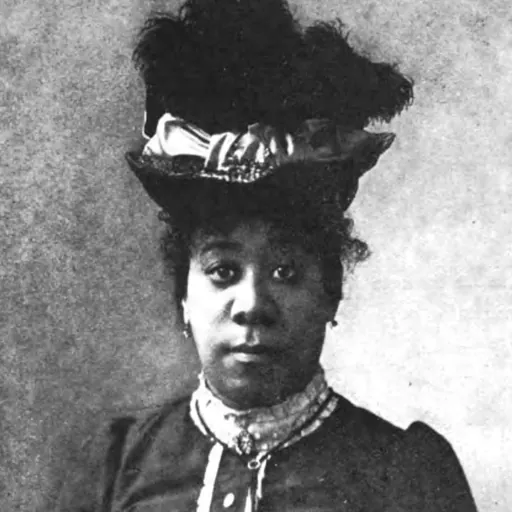
Pauline Hopkins
American novelist, journalist, playwright, historian, and editor
About Pauline Hopkins
Lived 1859 – 1930 (aged 71). Pauline Hopkins was an American journalist, novelist, editor, playwright, actor and writer.
Pauline Elizabeth Hopkins (May 23, 1859 – August 13, 1930) was an American novelist, journalist, playwright, historian, and editor. A noted contributor to the racial, political, and feminist discourse of the time, Hopkins was among the early-20th-century intellectuals who promoted racial uplift through her writing. It was not until age 20 that Pauline Allen took on the name of her stepfather and became Pauline Hopkins. Northrup had been influential in Providence, Rhode Island, due to his political ties and Hopkins' mother was a native of Exeter, New Hampshire. Her maternal ancestry traces back to the famous New Hampshire natives Nathaniel and Thomas Paul, who were of religious prominence for their Baptist ministry and the latter for opening the first Black Baptist church in the Boston area. In 1874, after completing her second year at Girls High School, she entered an essay contest held by the Congregational Publishing Society of Boston and funded by former slave, novelist, and dramatist William Wells Brown. Her submission, "Evils of Intemperance and Their Remedy", highlighted the problems with intemperance and urged parents to be in control of their children's social upbringing. She placed first in the contest and won $10 in gold.
Hopkins became well known for her various roles as a dramatist, actress and singer. In March 1877, she participated in her first dramatic performance, Pauline Western, the Belle of Saratoga. After this, she acted in several other plays and received positive reviews. However, it was not until the beginning of the 1900s that she decided to focus more on her literary passions.
Literary career
Plays, novels and short stories Hopkins' earliest known work, a musical play called Slaves’ Escape; or, The Underground Railroad (later revised as Peculiar Sam; or, The Underground Railroad), was first performed at Oakland Garden in Boston during the year 1880. thumb Original cover of the magazine in which Of One Blood was first published (November 1902). Of One Blood: Or, The Hidden Self tells the story of Reuel Briggs, a medical student who does not care about being black or appreciating African history, but finds himself in Ethiopia on an archaeological trip. His motive is to raid the country of lost treasures, which he does find. However, he discovers much more than he expected: the painful truth about blood, race, and the half of his history that was never told. Hopkins wrote the novel intending, in her own words, to "raise the stigma of degradation from [the Black] race". The title, Of One Blood, refers to the biological kinship of all human beings.
Although Of One Blood: Or, The Hidden Self is a work of fiction, Hopkins constructs an historical argument in her novel, using historical and literary sources, as well as travelogues. Her argument, which ran counter to many histories of that time, was that the ancient cultures of the Nile Valley were African in origin, not imported to the area from elsewhere.
Colored American Magazine From the beginning of the nine-year run of the Colored American Magazine, Hopkins served as a major contributor to the periodical's success. Hopkins short story "The Mystery Within Us" was included in the first issue of Colored American Magazine, a monthly periodical started by the same company who published Hopkins' novel Contending Forces in the same year. She was named Editor of the Women's Department by the second issue, and Literary Editor of the magazine by November 1903. Her various works for the magazine such as "Famous Women of the Negro Race" (1901–1902) were known to combat the stereotypes enforced on African Americans through showcasing the great successes of the race, often shedding light on the experiences of women in particular.
"The Northup legacy that Pauline Hopkins would claim as her own was one of impressive public action, fearless civic ambition and strong community consciousness."
Don’t just read it —
keep it.
Full-length biographies made to live with: read them, listen on the way to work, watch them tonight.
- E-book
- Audio
- Video
Instant download · yours to keep · every purchase keeps this site free
Important facts
People in Pauline Hopkins's life
Named in this biography and alive at the same time

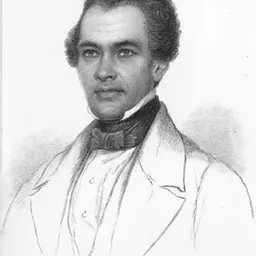
Related people
Same field, nearest in time
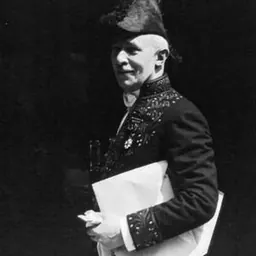
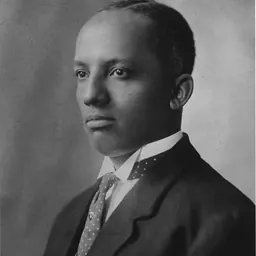

Contemporaries
People whose lives overlapped Pauline Hopkins's



Frequently asked questions
Who was Pauline Hopkins?
American novelist, journalist, playwright, historian, and editor (1859-1930)
When was Pauline Hopkins born?
Pauline Hopkins was born on 23 May 1859 in Portland.
When did Pauline Hopkins die?
Pauline Hopkins died on 13 August 1930 in Cambridge.
What was Pauline Hopkins's occupation?
Pauline Hopkins was a journalist, novelist, editor, playwright, actor and writer.
What nationality was Pauline Hopkins?
Pauline Hopkins was American.
Sources & further reading
Cite this page
APA: Biography.guide. (2026). Pauline Hopkins. https://biography.guide/pauline-hopkins/
MLA: "Pauline Hopkins." Biography.guide, https://biography.guide/pauline-hopkins/.
Chicago: "Pauline Hopkins." Biography.guide. https://biography.guide/pauline-hopkins/.
Data last updated: 2026-09-22 · Spot an error? Report a correction.
Portrait: Wikimedia Commons · author & licence
Page generated 2026-09-27 05:04 UTC