
Paulina Lebl-Albala
Serbian feminist, translator, literary critic, literature theoretician, professor
About Paulina Lebl-Albala
Lived 1891 – 1967 (aged 76). Paulina Lebl-Albala was a Yugoslav and Serbian journalist, literary critic, writer, translator, literary theorist and university teacher.
Paulina Lebl-Albala (; August 9, 1891 – October 8, 1967) was a Serbian feminist, translator, literary critic, literature theoretician, and professor of literature in Belgrade. A co-founder of the Udruženje univerzitetski obrazovanih žena (UUOZ; Association of University-Educated Women) (established 1927), she also served as the organization's president.
Early years and education Paulina (sometimes spelled Pauline) Lebl (sometimes spelled Lebel) was born in Belgrade, Serbia She was the youngest child in the family of Simon Lébl, an engineer in the French company which raised the railway in Serbia. Her mother was Natalie and there were three sisters, Hermina, Jelena, and Ruža. She grew up in the city's Ashkenazi community. She finished elementary and middle school in Niš, with third and fourth year at the Girls' College (1904–06). Between 1906 and 1909, she attended and graduated from the First Women's Gymnasium, studying under Jovan Skerlić, Pavle Popović (1868–1939), and Bogdan Popović in the Faculty of Philosophy, classics department, where she participated in the literary club "Nada". In 1909 and in 1912–14, she published translations of Johann Wolfgang von Goethe, Ludwig Thoma, Paul-Louis Hervier, Maurice Barrès, Heinrich Heine, Gustave Flaubert, and Oscar Wilde; during the same period, she published the original works of Victor Hugo, as well as literary and theater reviews. At the end of 1913, Lebl-Albala began teaching at the First Women's Gymnasium. A feminist, she became a member of the Drustvo za prosvećivanje žene i zaštitu njenih prava ("Society for Women's Enlightenment and Protection of their Rights") in 1925, she was also active in Zionist youth work. Other memberships included the Management Association of Professors and PEN Club. She was the first president of the Association of University-Educated Women, and served in that role for eight years. She is mentioned in Encyclopaedia Hebraica, Jewish Almanac, and the Bulletin of the Association of Yugoslav Jews in the United States. Published in 2005, Tako je nekad bilo ("That's how it once was") is a compilation book of Lebl-Albala's memories. 1951, Izabrana proza 2005, Tako je nekad bilo (posthumous publication)
Don’t just read it —
keep it.
Full-length biographies made to live with: read them, listen on the way to work, watch them tonight.
- E-book
- Audio
- Video
Instant download · yours to keep · every purchase keeps this site free
Important facts
Family & relationships
People in Paulina Lebl-Albala's life
Named in this biography and alive at the same time
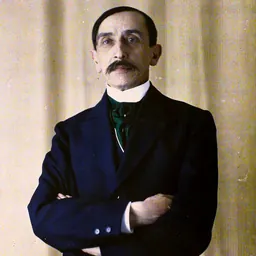

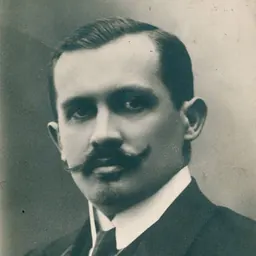
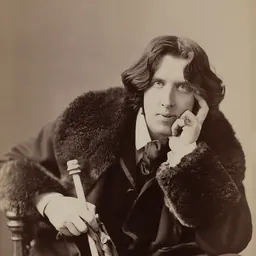


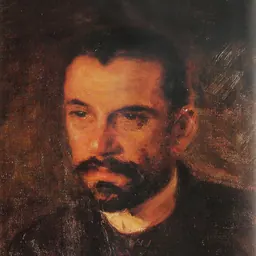
Related people
Same field, nearest in time
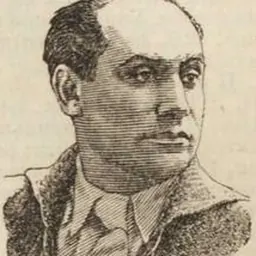

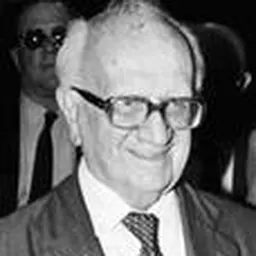


Contemporaries
People whose lives overlapped Paulina Lebl-Albala's
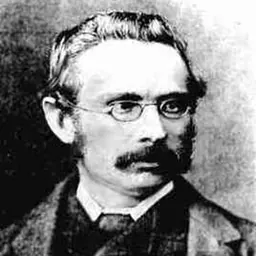
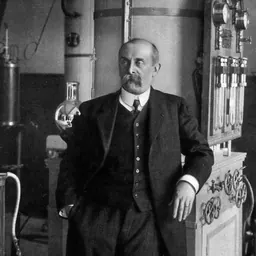


Frequently asked questions
Who was Paulina Lebl-Albala?
Serbian feminist, translator, literary critic, literature theoretician, professor (1891-1967)
When was Paulina Lebl-Albala born?
Paulina Lebl-Albala was born on 9 August 1891 in Belgrade.
When did Paulina Lebl-Albala die?
Paulina Lebl-Albala died on 8 October 1967 in Los Angeles.
What was Paulina Lebl-Albala's occupation?
Paulina Lebl-Albala was a journalist, literary critic, writer, translator, literary theorist and university teacher.
What nationality was Paulina Lebl-Albala?
Paulina Lebl-Albala was Yugoslav and Serbian.
Sources & further reading
· Wikipedia: Paulina Lebl-Albala
· DBpedia: Paulina Lebl-Albala
Cite this page
APA: Biography.guide. (2026). Paulina Lebl-Albala. https://biography.guide/paulina-lebl-albala/
MLA: "Paulina Lebl-Albala." Biography.guide, https://biography.guide/paulina-lebl-albala/.
Chicago: "Paulina Lebl-Albala." Biography.guide. https://biography.guide/paulina-lebl-albala/.
Data last updated: 2026-09-20 · Spot an error? Report a correction.
Page generated 2026-09-27 05:20 UTC