
About Owen J Sansom
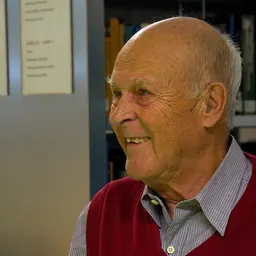
Born 1975. Owen J Sansom is a British researcher and oncologist, known for Wnt signaling pathway.
Education After obtaining a BSc in genetics from the University of Nottingham and an MRes in Biology from the University of Manchester, Owen went on to obtain a PhD from the University of Edinburgh. In 2005, he became a Junior Group Leader at the Cancer Research UK Beatson Institute, and in 2011 he was appointed the Institute's Deputy Director. and Owen acted as interim Director of the Beatson Institute until being appointed as the next Director in 2017. He also leads the CRUK Glasgow Centre, which aims to bring together scientists and clinicians to work together on cancer research, drug discovery and patient care.
Research The Phenotype of APC loss in vivo and key effector pathways Owen was the first person to acutely delete the APC gene in the murine intestine, a model that he then used to elucidate the key pathways that APC controls in vivo. Additionally, the use of this and other models has allowed Owen's group to identify potential chemoprevention strategies. For example, the group's work on aspirin showed that embryonic and perinatal exposure to aspirin suppresses neoplasia associated with the loss of Apc function.
Neutrophils in colorectal and other cancers Owen's group showed that neutrophils are associated with the earliest stage of CRC, and using mouse models they showed that inhibition of the chemokine receptor CXCR2 could suppress both colitis and spontaneous cancer. This was confirmed by the Dubois group in 2013. Owen's group continued these studies into the pancreas to show that inhibition of CXCR2 suppresses metastasis in pancreatic cancer.
The cell of origin of colorectal cancer In collaboration with Hans Clevers's laboratory, Owen's group showed that Lgr5-positive cells are an efficient cell of tumourigenesis. This work built upon work in Owen's laboratory on understanding the cooperation of APC with mutations in other genes such as KRAS and PTEN.
Key regulators of metastasis Owen's group has developed models of metastatic disease and identified critical components of the metastatic pathway, which has led to the design of trials specifically aimed at targeting metastatic disease in pancreatic cancer, e.g. Dasatanib in resectable pancreatic cancer patients. The group also provided definitive functional information on the role of mutant p53 in metastasis The group also identified critical roles for RAC and its GEFs in melanoma migration and metastasis.
Awards and honours In 2007, Owen won the Young Scientist Frank Rose Award in recognition of his contributions to translational cancer research and in 2012 he was awarded the CRUK Future Leaders in Cancer Research Prize for his contributions to cancer research. He was also elected a Fellow of the Royal Society of Edinburgh in 2012 and a Fellow of the Academy of Medical Sciences in 2017.
Don’t just read it —
keep it.
Full-length biographies made to live with: read them, listen on the way to work, watch them tonight.
- E-book
- Audio
- Video
Instant download · yours to keep · every purchase keeps this site free
Important facts
People in Owen J Sansom's life
Named in this biography and alive at the same time


Related people
Same field, nearest in time



Contemporaries
People whose lives overlapped Owen J Sansom's


Frequently asked questions
Who is Owen J Sansom?
researcher
When was Owen J Sansom born?
Owen J Sansom was born on 21 April 1975.
What is Owen J Sansom's occupation?
Owen J Sansom is a researcher and oncologist.
What is Owen J Sansom known for?
Owen J Sansom is known for Wnt signaling pathway.
What nationality is Owen J Sansom?
Owen J Sansom is British.
Sources & further reading
Cite this page
APA: Biography.guide. (2026). Owen J Sansom. https://biography.guide/owen-j-sansom/
MLA: "Owen J Sansom." Biography.guide, https://biography.guide/owen-j-sansom/.
Chicago: "Owen J Sansom." Biography.guide. https://biography.guide/owen-j-sansom/.
Data last updated: 2026-09-20 · Spot an error? Report a correction.
Page generated 2026-09-27 05:19 UTC