
About Ōe Taku
Lived 1847 – 1921 (aged 73). Ōe Taku was a Japanese businessperson and politician, known for Maria Luz Incident.
was a samurai, bureaucrat, politician, entrepreneur and social activist in the late Meiji and Taishō period Empire of Japan. He is noted as one of the more progressive figures of the early Meiji period, although his record is complex. His wife was the younger daughter of Gotō Shōjirō.
Biography
Ōe was born in Hata District, Tosa Domain, what is now Ōtsuki, Kōchi. He grew up in Nagasaki, but towards the end of the Bakumatsu period returned to his native Tosa to join the Rikuentai, a paramilitary group of Tosa samurai supporting the Sonnō jōi movement and dedicated to the overthrow of the Tokugawa shogunate. His fellow members included Sakamoto Ryōma, Nakaoka Shintarō and Mutsu Munemitsu. In 1868, he participated in an attack against the foreign consulates in Kobe.
After the Meiji Restoration, Ōe left Tosa for Tokyo in 1871 and joined the new Meiji government. Somewhat ironically for his xenophobic background, he was assigned as a judge to assist Mutsu Munemitsu (who had been appointed governor of Kanagawa Prefecture) in the management of foreign affairs at the port of Yokohama. Ōe played a central role in the María Luz Incident, in which the Japanese government took steps to rescue 232 Chinese indentured laborers from a Peruvian ship, over the vehement protests by the Western nations. The incident also led to legislation in 1872, emancipating burakumin outcasts, prostitutes and other forms of bonded labor in Japan.
In 1877, Ōe returned to Tosa, in an attempt to encourage his countrymen to rise up against the central government in support of the Satsuma Rebellion. After the failure of the rebellion, he was arrested for treason, and sentenced to twelve years in prison.
Ōe returned to Tokyo in 1890, having been elected a member of the lower house in the Diet of Japan in the 1890 General Election as one of the founding members of the Liberal Party.
However, in 1914, Ōe retired from all business and political activities, took the tonsure and became a Buddhist priest of the Sōtō Zen sect, and traveled around the country. In his final years, he became an outspoken proponent of ending all discrimination with regards to the burakumin outcasts. He died of stomach cancer in 1921; his grave was at the Aoyama Cemetery in Tokyo.
Don’t just read it —
keep it.
Full-length biographies made to live with: read them, listen on the way to work, watch them tonight.
- E-book
- Audio
- Video
Instant download · yours to keep · every purchase keeps this site free
Important facts
People in Ōe Taku's life
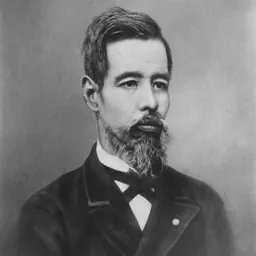
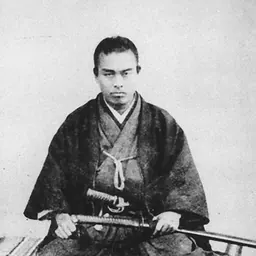
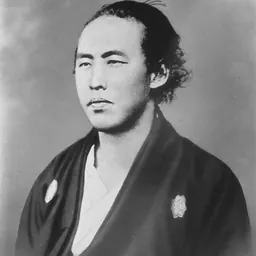
Named in this biography and alive at the same time
Related people
Same field, nearest in time
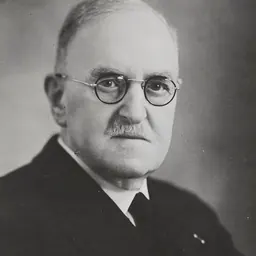


Contemporaries
People whose lives overlapped Ōe Taku's



Frequently asked questions
Who was Ōe Taku?
Japanese politician
When was Ōe Taku born?
Ōe Taku was born on 2 November 1847 in Otsuki.
When did Ōe Taku die?
Ōe Taku died on 21 September 1921 in Tokyo.
What was Ōe Taku's occupation?
Ōe Taku was a businessperson and politician.
What was Ōe Taku known for?
Ōe Taku was known for Maria Luz Incident.
What nationality was Ōe Taku?
Ōe Taku was Japanese.
Sources & further reading
Cite this page
APA: Biography.guide. (2026). Ōe Taku. https://biography.guide/oe-taku/
MLA: "Ōe Taku." Biography.guide, https://biography.guide/oe-taku/.
Chicago: "Ōe Taku." Biography.guide. https://biography.guide/oe-taku/.
Data last updated: 2026-09-24 · Spot an error? Report a correction.
Page generated 2026-09-27 05:04 UTC