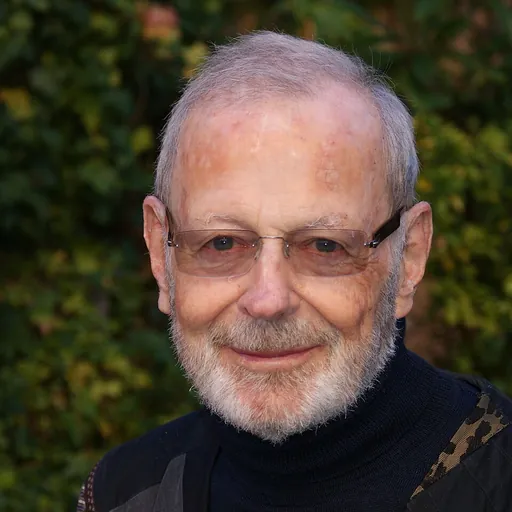
About Niklaus Brantschen
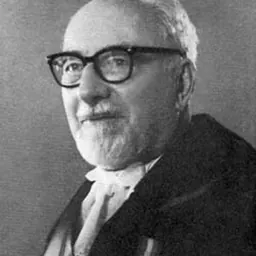
Born 1937. Niklaus Brantschen is a Swiss catholic priest, writer, inka shōmei and theologian.
Niklaus Brantschen (born 25 October 1937 in Randa, Valais) is a Swiss Jesuit, Zen master of the White Plum Sangha line and founder of the Lassalle-Institute within the Lassalle-House in Bad Schönbrunn/Zug, Canton of Zug. He is co-initiator of the Jerusalem-Project.
Early life Niklaus Brantschen grew up with six brothers and sisters in a traditionally Catholic family; he is a skilled mountaineer.
When he was 22 years old, he joined the Society of Jesus. After the novitiate in Villars-sur-Glâne he received the licentiate of the Munich School of Philosophy in 1964. As practical studies he worked from 1964 to 1967 as an educator at Stella Matutina in Feldkirch, Austria followed by three years of theology studies at the university of Fourvière, Lyon, France and a fourth year at the University of Tübingen, among others from the professors Eberhard Jüngel, Jürgen Moltmann, Walter Kasper, Hans Küng; Licentiate work about Dietrich Bonhoeffer. In 1970, he celebrated his first Mass (liturgy) in Randa. From 1973 he made a certificate study in adult's education in Munich as assistant of meditation teacher Klemens Tilmann, followed by meditation courses with Karlfried Graf Dürckheim.
Zen education From 1976, he made regular education stays for Zen studies in Kamakura, Kamakura/Japan with Hugo Makibi Enomiya-Lassalle and Yamada Kôun Roshi. There, meetings with Heinrich Dumoulin, Jerry Brown, Willigis Jäger, Johannes Kopp. In 1988, he was given the teaching competence for Zen by Yamada Roshi, in 1999 he received the confirmation of a Zen master ("inka shōmei") from Tetsugen Bernard Glassman.
In 1986, Brantschen met Jerry Brown in Japan and held inspiring conversations, 1987 he practised Zen together also with him. Within the institute both are involved especially in the project Jerusalem – Open town for learning of the peace in the world which takes them regularly to Jerusalem and to the UN in New York.
Interfaith dialogue According to Brantschen there is no alternative to the interfaith dialogue. Interfaith dialogue is not only conversation, but also the positive, constructive relations between persons and communities of other religions for their mutual enrichment.
Don’t just read it —
keep it.
Full-length biographies made to live with: read them, listen on the way to work, watch them tonight.
- E-book
- Audio
- Video
Instant download · yours to keep · every purchase keeps this site free
Important facts
People in Niklaus Brantschen's life
Named in this biography and alive at the same time


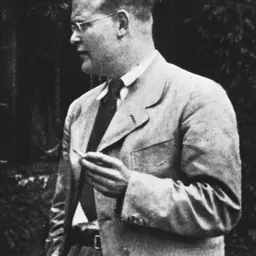
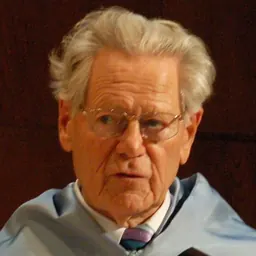
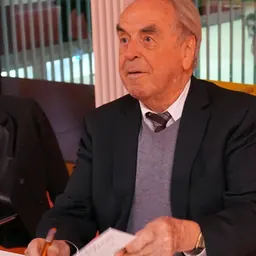


Related people
Same field, nearest in time
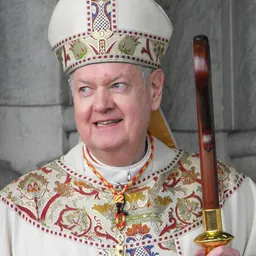
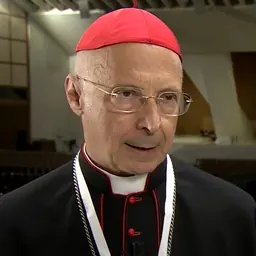

Contemporaries
People whose lives overlapped Niklaus Brantschen's
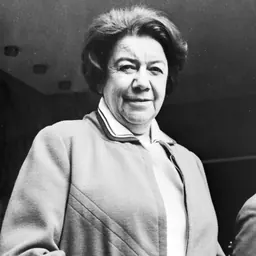
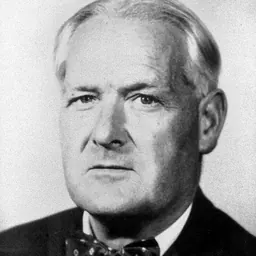



Frequently asked questions
Who is Niklaus Brantschen?
Swiss Jesuit and Zen master
When was Niklaus Brantschen born?
Niklaus Brantschen was born on 25 October 1937 in Randa.
What is Niklaus Brantschen's occupation?
Niklaus Brantschen is a catholic priest, writer, inka shōmei and theologian.
What nationality is Niklaus Brantschen?
Niklaus Brantschen is Swiss.
Sources & further reading
· Wikipedia: Niklaus Brantschen
Cite this page
APA: Biography.guide. (2026). Niklaus Brantschen. https://biography.guide/niklaus-brantschen/
MLA: "Niklaus Brantschen." Biography.guide, https://biography.guide/niklaus-brantschen/.
Chicago: "Niklaus Brantschen." Biography.guide. https://biography.guide/niklaus-brantschen/.
Data last updated: 2026-09-20 · Spot an error? Report a correction.
Portrait: Wikimedia Commons · author & licence
Page generated 2026-09-27 04:58 UTC