
Nathan Johnson
African-American abolitionist
About Nathan Johnson
Lived 1797 – 1880 (aged 82–83). Nathan Johnson was a confectioner.
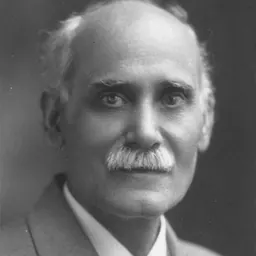
Nathan Johnson (ca. 1797-1880) was an African-American abolitionist who sheltered fugitive slaves, most notably Frederick Douglass, and was a successful businessman in New Bedford, Massachusetts. He married Mary Durfee, nicknamed Polly, who was his business partner in their confectionery and catering businesses. In 1849, Nathan followed the Gold Rush to California. Polly died in 1871 and Nathan returned after her death and was a beneficiary of her estate.
The Nathan and Polly Johnson House is on the city's Underground Railroad Tour and has been recognized as a National Historic Landmark. or Virginia Born a free Black person in 1784 in Fall River, Massachusetts, her parents were Isaac and Ann Mingo. By 1845, the Johnsons had enough success in business that they owned the lot including properties on Seventh Street and an adjacent one (then numbered 23 Seventh Street, but no longer standing) which they used as a shop.
Nathan was politically active in both organizations of African Americans and those involved in the abolitionist cause. Since New Bedford was a busy port doing business with southern states, it was a regular place of refuge for people escaping slavery, and Johnson is documented to have sheltered fugitives in his properties. At the Massachusetts Anti-Slavery Society convention of 1840, he was made one of five vice presidents. He became president of the National Convention of Colored People in 1847. at the request of Patrick Gibson, who enslaved them all. Betsey Gibson, aged 34, was his concubine and Patrick wanted to have her and the children cared for and educated. He paid for their education. Seven-year-old Jane and her sister, eleven-year-old Helen, were Betsey and Patrick's daughters. There was also a boy named Toby and about nine-year-old girl named Margaret, which may have been Patrick's daughter or granddaughter. He ensured that they had food, cloth for clothing, and that they were receiving a good education. He also ensured that they were aware of events in their family member's lives. Patrick, who had come north regularly for his health, died unexpectedly in December 1837. Expenses for the Gibsons was managed by Patrick's business partner, Edmund Molyneux, who said that he wished to relocate the Gibsons to Jamaica, where slavery became illegal in 1838. Johnson was leery about the arrangement, but Betsey felt she should trust that it would all work out. Townspeople from New Bedford, afraid that the Gibson family would be returned to slavery, became involved in investigating their legal status after Patrick Gibson's death and the nature of Nathan's intentions. It was determine that Nathan was not at fault and that the Gibsons should remain in New Bedford.
Career Domestic servants The couple were in the employ of Charles Waln Morgan, a prominent whaling captain, as domestic servants. as was Polly's daughter, Rhoda. The family likely lived on Union Street in the Morgan's house,
Businessman Polly made cakes and confections that were purchased by wealthy families of New Bedford by 1836. She made cakes, candy, and ice creams for weddings and parties. Her will stipulated that Nathan could have "a maintenance" for the rest of his life from her estate if he returned to New Bedford within two years of her death. He returned to the town a poor man. Frederick Douglass, who had seen him between 1873 and three weeks before his death, said that Johnson was "in many respects a rare man. I do not remember to have met a man more courageous and less ostentatious, more self-respectful and yet more modest." Polly and Nathan Johnson are buried in the old section of the Oak Grove Cemetery of New Bedford. His gravestone states "Freedom for All Mankind". Other family members include their mothers, Emely Brown and Anna Mingo. Patience Durfee and Thomas P. Buchanan and their daughters, Elizabeth and Mary, were buried at the cemetery.
Don’t just read it —
keep it.
Full-length biographies made to live with: read them, listen on the way to work, watch them tonight.
- E-book
- Audio
- Video
Instant download · yours to keep · every purchase keeps this site free
Important facts
People in Nathan Johnson's life
Named in this biography and alive at the same time



Related people
Same field, nearest in time




Contemporaries
People whose lives overlapped Nathan Johnson's





Frequently asked questions
Who was Nathan Johnson?
African-American abolitionist (c. 1797–1880)
When was Nathan Johnson born?
Nathan Johnson was born in 1797.
When did Nathan Johnson die?
Nathan Johnson died in 1880.
What was Nathan Johnson's occupation?
Nathan Johnson was a confectioner.
Sources & further reading
· DBpedia: Nathan Johnson (abolitionist)
Cite this page
APA: Biography.guide. (2026). Nathan Johnson. https://biography.guide/nathan-johnson-confectioner/
MLA: "Nathan Johnson." Biography.guide, https://biography.guide/nathan-johnson-confectioner/.
Chicago: "Nathan Johnson." Biography.guide. https://biography.guide/nathan-johnson-confectioner/.
Data last updated: 2026-09-20 · Spot an error? Report a correction.
Page generated 2026-09-27 05:11 UTC