
About Natallia Arsiennieva
Lived 1903 – 1997 (aged 93). Natallia Arsiennieva was a Russian and Polish linguist, playwright, translator, poet, writer and screenwriter.
Natallia Alyakseyewna Arsiennieva (20 September 1903 – 25 July 1997) was a Belarusian playwright, poet and translator who authored the lyrics to the hymn "Mahutny Boža" ("Almighty God"). She was married to Francišak Kušal.
Biography Early life Arsiennieva was born on 20 September 1903 into a middle-class family in Baku, a major oil-producing centre of the Russian Empire (today the capital of Azerbaijan).
In 1905, Arsiennieva's family moved first to Volhynia (Volyn) and then to Wilno (Vilnius) where she spent her childhood and graduated from the Belarusian gymnasium of Wilno in 1921. She later studied at the Arts Department of the University of Wilno.
In 1922, Arsiennieva married Francišak Kušal, a prominent figure of the Belarusian independence movement and Nazi collaborator.
Arsiennieva worked for a regional Soviet newspaper but was soon arrested and deported as a "bourgeois nationalist intellectual" to Kazakhstan with her two sons. However, in early 1941, she was released after a petition by the Belarusian Union of Writers and moved to Minsk, where during the German occupation she also collaborated with the Nazis, working for the pro-Nazi Belaruskaya Gazeta. She wrote several librettos for operas and was engaged in translations.
Legacy Arsiennieva's works were banned in Soviet Belarus; however, she lived to see their return to her homeland. Since Gorbachev's perestroika, her poems have gained popularity, especially "Prayer", which, set to music by composer Mikola Ravienski, has become the hymn "Mahutny Boža" ("Almighty God"). In 1991, the publishing house "Mastackaja litaratura" published her facsimile "Under the Blue Sky"("Пад сінім небам"). In 1996, in the series "Voices of the Belarusians Abroad", a collection of selected poems "Another Spring" ("Яшчэ адна вясна") was published, and in 2002, a compilation of her selected poems was published.
In 2003, a monument was erected in her memory in the town of Staryya Darohi, Minsk Region, on the territory of a private museum. In November 2022, the monument was removed.
Works Poems Люблю я сонца залатое. Вечар неба фарбуе (Вершы) // Родныя гоні : месячнік літаратуры й культуры Заходняе Беларусі,1927, сакавік [I love the golden sun. The evening paints the sky (Poems) // Native lands: monthly magazine of literature and culture of Western Belarus, 1927, March], No. 1, p. 3, 4 (in Belarusian) Сьміялася ў вочы вясна. Вячорная часіна (Вершы) // Родныя гоні : месячнік літаратуры й культуры Заходняе Беларусі, 1927, красавік [Spring laughed in my eyes. Evening time (Poems) // Native lands: monthly magazine of literature and culture of Western Belarus, 1927, April], No. 2, p. 1, 2 (in Belarusian) Паралель (Верш) // Родныя гоні : месячнік літаратуры й культуры Заходняе Беларусі, 1927, май [Parallel (Poem) // Native lands: monthly magazine of literature and culture of Western Belarus,1927, May], No. 3, p. 4. (in Belarusian) Веснавая калыханка. Ішла вясна. *** (Вершы) // Родныя гоні : месячнік літаратуры й культуры Заходняе Беларусі, 1927, чэрвень [Spring lullaby. It was spring. *** (Poems) // Native lands: monthly magazine of literature and culture of Western Belarus, 1927, June], No. 4, p. 2-5 (in Belarusian) Маячэньні... Калі... Вясёлка. (Вершы) // Родныя гоні : месячнік літаратуры й культуры Заходняе Беларусі, 1927, ліпень—жнівень [Looming ... When ... Rainbow (Poems) // Native lands: monthly magazine of literature and culture of Western Belarus, 1927, July–August], No. 5, p. 1, 2 (in Belarusian) Пад сінім небам: Вершы, 1921—1925 [Under the Blue Sky: Poems, 1921—1925], Vilnius, 1927 (in Belarusian) «Жоўтая восень» (не надрукаваны) ["Yellow Autumn" (not printed)] (in Belarusian) Сягоньня: Вершы, 1941—1943 [Today: Poems, 1941-1943], Minsk, 1944 (in Belarusian) Між берагамі: Выбар паэзіі, 1920—1970 [Between the Shores: A Selection of Poetry, 1920-1970], New York, Toronto, 1979 (in Belarusian) Натальля Арсеньнева. Пад сінім небам. Вершы (1920—1925). — Факсімільнае выданьне. — Менск: Мастацкая літаратура, 1992 («Бацькаўшчына»), Natallia Arsiennieva. Under the blue sky. Poems (1920-1925). - Facsimile edition. - Minsk: Mastackaja litaratura, 1992 ("Baćkaŭščyna"), (in Belarusian) Натальля Арсеньнева. Пад сінім небам (1920—1925). Жоўтая восень (1927—1937). Сягоньня (1941—1943). Не астыць нам (1944—1949). На ростанях. // Укладаньне, прадмова й біяграфічныя даведкі Барыса Сачанкі. Туга па радзіме: паэзія беларускай эміграцыі. — Мінск: Мастацкая літаратура, 1992, с. 10–169, Natallia Arsiennieva. Under the blue sky (1920-1925). Yellow Autumn (1927-1937). Today (1941-1943). We do not come down (1944-1949). At the crossroads. // Layout, introduction and biographical information by Barys Sačanka. Longing for homeland: poetry of the Belarusian emigration. Minsk: Маstackaja litaratura, 1992, p. 10-169, (in Belarusian) Яшчэ адна вясна: Выбраныя вершы [Another Spring: Selected Poems], Minsk, 1996 (in Belarusian) Выбраныя творы [Selected works], Minsk, 2002 (in Belarusian)
Plays
Сваты [Matchmakers], 1955 (in Belarusian)
Libretto
to Ščahloŭ's operas "The Forest Lake" («Лясное возера»), "Usiaslaŭ the Sorcerer" («Усяслаў Чарадзей»), in Belarusian to the operettas "From the Magic Land" («З выраю») and "Kupalle", in Belarusian words to the cantata "March" («Сакавік»), in Belarusian
Lyrics for hymns
«Магутны Божа» ["Mahutny Boža (Almighty God)"], in Belarusian
Translations
Hauptman's drama "The Sunken Bell" "Evangelical Christian Songbook" "Broken Jug" by Kleist libretto of the operas "The Marriage of Figaro" and "The Magic Flute" by Mozart, "The Freeshooter" by Weber, "Carmen" by Bizet and "The Gypsy Baron" by Strauss the text of the aria "Eugene Onegin" by Tchaikovsky introduction to Shakespeare's "Romeo and Juliet" chapters from "Dziady" (Forefathers’ Eve) and "Pan Tadeusz" by Mickiewicz "Song about the Bison" by Hussowczyk individual poems by Goethe Christmas carol “Silent Night”
Don’t just read it —
keep it.
Full-length biographies made to live with: read them, listen on the way to work, watch them tonight.
- E-book
- Audio
- Video
Instant download · yours to keep · every purchase keeps this site free
Important facts
Family & relationships
People in Natallia Arsiennieva's life
Named in this biography and alive at the same time




Related people
Same field, nearest in time
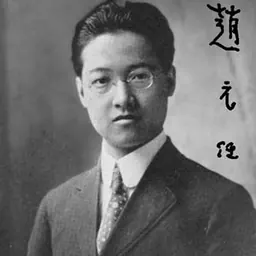


Contemporaries
People whose lives overlapped Natallia Arsiennieva's
Frequently asked questions
Who was Natallia Arsiennieva?
Belarusian poet (1903-1997)
When was Natallia Arsiennieva born?
Natallia Arsiennieva was born on 20 September 1903 in Baku.
When did Natallia Arsiennieva die?
Natallia Arsiennieva died on 25 July 1997 in Rochester.
What was Natallia Arsiennieva's occupation?
Natallia Arsiennieva was a linguist, playwright, translator, poet, writer and screenwriter.
What nationality was Natallia Arsiennieva?
Natallia Arsiennieva was Russian and Polish.
Sources & further reading
· Wikipedia: Natallia Arsiennieva
· DBpedia: Natallia Arsiennieva
Cite this page
APA: Biography.guide. (2026). Natallia Arsiennieva. https://biography.guide/natallia-arsiennieva/
MLA: "Natallia Arsiennieva." Biography.guide, https://biography.guide/natallia-arsiennieva/.
Chicago: "Natallia Arsiennieva." Biography.guide. https://biography.guide/natallia-arsiennieva/.
Data last updated: 2026-09-20 · Spot an error? Report a correction.
Page generated 2026-09-27 05:33 UTC