
Natalio Bacalso
Filipino Visayan newspaperman, filmmaker, Constitutional Convention delegate and assemblyman
About Natalio Bacalso
Lived 1908 – 1984 (aged 75). Natalio Bacalso was a Filipino film director and newspaperman.
Natalio Bacus Bacalso (December 1, 1908 – March 30, 1984) was a Filipino writer, newspaperman, radio broadcaster, filmmaker, Constitutional Convention delegate in 1971 representing Cebu's 2nd district, and opposition assemblyman to the Interim Batasang Pambansa in 1978. The Natalio Bacalso Avenue is named after him. On June 13, 2019, The Freeman recognized him as one of the Top 100 Cebuanos.
Early life He was born in Inayawan, Cebu, which at the time of his birth in 1908, was part of Pardo.
Literature and journalism
Bacalso edited the Cebuano periodicals Bisaya and Manila-printed periodical Lamdag of Malayan Publishing Company (renamed Filipinas Publishing Company). He was the founder of Tabunon, a Manila-printed periodical published by Mariano Jesus Cuenco. Known with his pseudonym "Talyux", he published Cadena de Amor, a collection of stories, together with Fausto Dugenio.
Radio Moreover, Bacalso was a noted broadcaster was transmitted in Visayas and Mindanao and enjoyed ratings between 80% and 90% among Cebuano-speaking provinces.
Politics Bacalso was a political orator Mariano Jesus Cuenco and Sergio Osmeña Jr. He was also an officer in the Malacañang Press Office, he was elected as delegate The 1978 Philippine parliamentary election was the first national election to create a legislative body called Interim Batasang Pambansa (IBP) during the Marcos dictatorship, and administration bets campaigned under the Kilusang Bagong Lipunan.
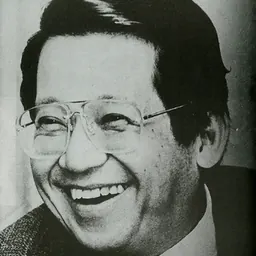
The opposition party, Lakas ng Bayan, fielded candidates that included Ninoy Aquino, and in Central Visayas, Natalio Bacalso led the local opposition party Pusyon Bisaya together with 12 other candidates that included Fr. Jorge Kintanar, Hilario Davide Jr, Valentino Legaspi, Filemon Fernandez, Mariano Logarta, Alfonso Corominas, Julian Yballe, Eutiquio Cimafranca, Jesus Villegas, Jun Medina, Dominador Pernes and Bartolome Cabangbang. Mariano Logarta became the minority leader, and Pusyon Bisaya won all 13 seats in Central Visayas region.
Filmography Bacalso was nominated for Best Director in the 1956 FAMAS Awards for the film Salingsing sa Kasakit (literal translation: The Pangs of Pain). Among the films he directed were:
Mutya sa Saging Tindok (The Plantain's Gem)Magdalena Alimatok (The Leech)''
Historical commemoration On March 7, 1984, the Natalio Bacalso Avenue was named in his honor by virtue of the Batas Pambansa Bilang 684. Regarded as Cebu's longest road, it starts from Leon Kilat Street and ends in Santander, Cebu.
Don’t just read it —
keep it.
Full-length biographies made to live with: read them, listen on the way to work, watch them tonight.
- E-book
- Audio
- Video
Instant download · yours to keep · every purchase keeps this site free
Important facts
People in Natalio Bacalso's life
Named in this biography and alive at the same time


Related people
Same field, nearest in time



Contemporaries
People whose lives overlapped Natalio Bacalso's


Frequently asked questions
Who was Natalio Bacalso?
Filipino Visayan newspaperman, filmmaker, Constitutional Convention delegate and assemblyman
When was Natalio Bacalso born?
Natalio Bacalso was born on 1 December 1908 in Cebu.
When did Natalio Bacalso die?
Natalio Bacalso died on 30 March 1984 in Manila.
What was Natalio Bacalso's occupation?
Natalio Bacalso was a film director and newspaperman.
What nationality was Natalio Bacalso?
Natalio Bacalso was Filipino.
Sources & further reading
Cite this page
APA: Biography.guide. (2026). Natalio Bacalso. https://biography.guide/natalio-bacalso/
MLA: "Natalio Bacalso." Biography.guide, https://biography.guide/natalio-bacalso/.
Chicago: "Natalio Bacalso." Biography.guide. https://biography.guide/natalio-bacalso/.
Data last updated: 2026-09-20 · Spot an error? Report a correction.
Page generated 2026-09-27 04:57 UTC