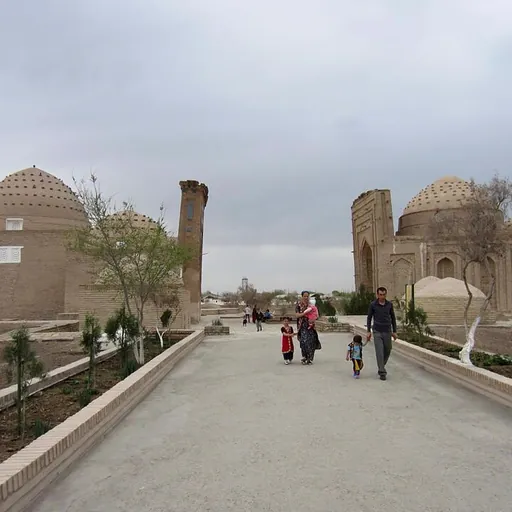
About Najmuddin Kubra
Lived 1145 – 1221 (aged 75–76). Najmuddin Kubra was an ulema, muhaddith, philosopher and sufi.
Najm ad-Din Kubra was a 13th-century Khwarezmian Sufi from Khwarezm and the founder of the Kubrawiya, influential in the Ilkhanate and Timurid dynasty. His method, exemplary of a "golden age" of Sufi metaphysics, was related to the Illuminationism of Shahab al-Din Yahya ibn Habash Suhrawardi as well as to Rumi's Shams Tabrizi. Kubra was born in 540/1145 and died in 618/1221.
Biography
Born in 540/1145 in Khiva, Najmuddin Kubra began his career as a scholar of hadith and kalam. His interest in Sufism began in Egypt where he became a murid of Ruzbihan Baqli, who was an initiate of the Uwaisi. After years of study, he abandoned his exploration of the religious sciences and devoted himself entirely to the Sufi way of life.
Sufi sheikh Zia al-Din-'Ammar Bitlisi was Kubra's teacher, who tried to present Sufi thought in a new way to provide contemplation and influence for the reader. After receiving his khirka, Kubra gained a large following of gnostics and writers on Sufism.
Because his followers were predominantly Sufi writers and gnostics, Kubra was given the title "manufacturer of saints" (in Persian: vali tarash) and his order was named the Kubrawiya.
The Kubrawiyah Order
The Kubrawiya was Kubra's Sufi order, focusing on explaining the visionary experience. The influence of the Kubrawiya can be seen on the Islamic world as a whole because of its relationship to the strong influence of Shi'ism in Iran. The Kubrawiya was not largely popular until after Kubra's death in the 13th century. The Kubrawiya found great development outside of Central Asia, but its influence and presence only lasted till the 15th/16th century, when it was overshadowed by the Naqshbandiya (another, more attractive Sufi group) during the Ottoman Empire, though a nominal following continued on. Before this occurred, the order split after the leadership of Isḥāḳ al-Khuttalānī (d. 1423) into the Nurbakshiyya and the Dhahabiyya. The former were eventually persecuted under the Safavids in the later 16th century, whereas the latter survives presently with Shiraz as its centre.
The Kubrawiya's influence in Central Asia established many political, social, and economic activities there, but the Naqshbandiyah developed these ideas to their fullest potential. The Kubrawiya's main teaching was a "well-developed mystical psychology based on the analysis of the visionary experience." They focused on explaining the spiritual visionary experiences that Sufis underwent in everyday life. Their largest concern was the total focus on the zikr as a means of allowing for the perception of spiritual visions. and Baha'uddin Walad, father of Jalaluddin Rumi. However, one of his most well-known and influential disciples though was Sa'd al-Din Hamuwayi. Kubra informed Hamuwayi to leave the city in which they resided with the impending Mongol invasion on the horizon. However, Hamuwayi stayed with Kubra and received his ijaza from him, which shows his favorable reputation with the Sufi Master, as not only a student, but as a friend. Hamuwayi wrote over thirty important manuscripts and other works concerning the work of Kubra, and the influence of the Kubrawiyah.
Don’t just read it —
keep it.
Full-length biographies made to live with: read them, listen on the way to work, watch them tonight.
- E-book
- Audio
- Video
Instant download · yours to keep · every purchase keeps this site free
Important facts
People in Najmuddin Kubra's life
Named in this biography and alive at the same time
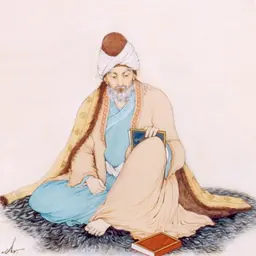
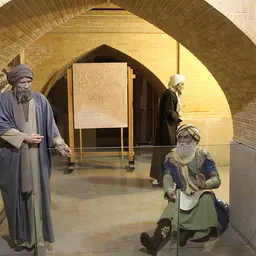

Related people
Same field, nearest in time


Contemporaries
People whose lives overlapped Najmuddin Kubra's




Frequently asked questions
Who was Najmuddin Kubra?
Iranian sufi poet and philosopher
When was Najmuddin Kubra born?
Najmuddin Kubra was born in 1145 in Khiva.
When did Najmuddin Kubra die?
Najmuddin Kubra died on 2 July 1221 in Köneürgenç.
What was Najmuddin Kubra's occupation?
Najmuddin Kubra was an ulema, muhaddith, philosopher and sufi.
Sources & further reading
Cite this page
APA: Biography.guide. (2026). Najmuddin Kubra. https://biography.guide/najmuddin-kubra/
MLA: "Najmuddin Kubra." Biography.guide, https://biography.guide/najmuddin-kubra/.
Chicago: "Najmuddin Kubra." Biography.guide. https://biography.guide/najmuddin-kubra/.
Data last updated: 2026-09-21 · Spot an error? Report a correction.
Portrait: Wikimedia Commons · author & licence
Page generated 2026-09-27 04:58 UTC