
Nadir Ali Shah
Sufi Muslim Saint of Pakistan
About Nadir Ali Shah
Lived 1897 – 1974 (aged 76–77).
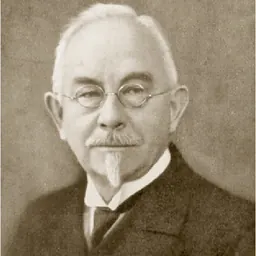
Syed Nadir Ali Shah (1897 – 8 October 1974) (; ), popularly known as Murshid Nadir Ali Shah, was a Sufi saint of the Qalandariyya Sufi order of Islam, a Muslim preacher, ascetic, mystic, philanthropist and humanitarian. Born in Gandaf in the north-west of the Indian subcontinent, he eventually settled in Sehwan Sharif, Sindh. He was a spiritual descendant of the well-regarded Sufi saint Lal Shahbaz Qalandar and the custodian of the revered Sufi Khanqah, Kafi Sakhi Sarwar located in Sehwan Sharif. Nadir Ali Shah's legacy primarily revolves around his distinction as one of the most remarkable figures among the saints of the Qalandariyya Sufi order. He is renowned for his pursuits in Islamic preaching, mysticism, and asceticism. Beyond his spiritual contributions, he is recognized for his substantial efforts in advancing human welfare and uplifting the underprivileged, in line with the teachings of the Qalandariyya Sufi order of Islam. Notably, he also served as the custodian of the shrine of the Sufi saint Abdullah Shah Ghazi in Karachi.
Biography Early life He was born in Gandaf, District Swabi in 1897 to a Pashtun Syed family. He received his early education from his father Syed Ghulam Shah. He was young when his father died. Murshid Deedar Ali Shah, the successor of the Qalandariyya Sufi order and custodian of the Sufi centre named Kafi Sakhi Sarwar, warmly greeted him, as he was already anticipating and eagerly awaiting his arrival that day. Nadir Ali Shah then formally pledged his allegiance to his spiritual teacher, who later appointed him as his successor. Thus, after Deedar Ali Shah's death in 1931, Nadir Ali Shah became the custodian, and was succeeded with the title of Murshid Nadir Ali Shah. He reportedly gave up solid food early in life and subsisted on a liquid diet. For a period of two years, he lived in a cave near Sehwan Sharif, engaged in spiritual practices and devotion. Known for his spiritual discipline, he was referred to as "an advanced pilgrim" due to his intense devotional journey. Nadir Ali Shah is said to have fasted continuously for fifty years, spending his days in fasting and his nights in prayer. He would often spend long hours in supplication (dua), sitting with his hands raised in prayer. Like his predecessors, he was reverently referred to as the "Ruler of The Brotherhood." Following his death, Murshid Arif Ali Shah succeeded him in 1974. The disciples who followed Nadir Ali Shah's teachings attained remarkable spiritual heights, reflecting the enduring impact of his teachings and practices.
Furthermore, Nadir Ali Shah served as the custodian of the shrine of the 8th-century Sufi saint Abdullah Shah Ghazi, located in Karachi. He constructed the iconic green and white striped dome of the shrine, which became a recognizable emblem of the city. He oversaw the addition of various facilities on the shrine premises, including a mosque, a langar khana (free kitchens), a qawwali hall, and a guest house. A striking feature of his contributions was the establishment of a long stairway leading to the shrine, which adorned the top of a sandy hill. A meaningful connection has been observed between the shrine of Abdullah Shah Ghazi in Karachi and Syed Nadir Ali Shah's Sufi order in Sehwan Sharif. This bond underscores the enduring spiritual impact of Nadir Ali Shah's custodianship across different shrines and locations.
The Kafi (Dervish Lodge) Location Situated just a brief stroll away from Qalandar's shrine in Sehwan Sharif, the Kafi stands as an ancient spiritual institution and dwelling place for the dervishes of the Qalandariyya Sufi order of Islam. The malangs are devoted and well-organized in their cause, numbering over two hundred and fifty as of the 1980s.
Teachings The Qalandari Tariqa, or Sufi order, places a strong emphasis on the struggle with oneself, the purification of the heart, and the nourishment of the soul. These spiritual goals are achieved through prayers and remembrance, coupled with the concept of khidmat, which signifies dedicated service to humanity.
Upon the passing of Murshid Deedar Ali Shah in 1931, his spiritual successor, Murshid Nadir Ali Shah, took on the mantle of overseeing the Kafi and its sacred responsibilities.
Amidst their daily routine of prayers and remembrance of God, the devoted malangs of the Kafi tirelessly managed the distribution of food and water to the impoverished residents of the town and its suburbs. Despite the scorching heat of Sehwan, kneading large amounts of flour to provide bread for the needy was no small feat, but the dedication of the Qalandar's followers allowed this service to continue year-round. Water, an essential commodity, was sourced from the Indus River, and the process involved considerable effort and hardship.
Teachings and impact Nadir Ali Shah, a prominent Murshid of the Qalandariyya Sufi order of Islam, was known for his profound teachings that touched upon various aspects of spirituality, human conduct, and service to humanity. His impact on his followers and the broader community was significant, as his teachings resonated with people across the world.
Devotion to God: At the core of Nadir Ali Shah's teachings was a strong emphasis on devotion to God. He encouraged his disciples and followers to develop a deep and personal connection with the Divine through prayers, remembrance, and spiritual contemplation. This devotion was seen as a path to inner peace and enlightenment. Pursuit of Knowledge: Nadir Ali Shah believed that knowledge was a key to spiritual growth. He urged his disciples to seek knowledge relentlessly, emphasizing that understanding the world and its mysteries could lead to a deeper understanding of God. This pursuit of knowledge extended beyond religious texts and encompassed various fields of study. Tawakkul (Reliance on God): Tawakkul is the concept of placing complete trust and reliance on God's will. Nadir Ali Shah taught his followers to surrender to God's wisdom and guidance in all aspects of life. This trust in God's plan was considered a source of strength and resilience in the face of life's challenges. Sabr (Patience): Patience, both in times of difficulty and prosperity, was a virtue Nadir Ali Shah emphasized. He believed that patience was a way to purify the soul and demonstrate trust in God's timing. It was a quality that enabled individuals to endure trials with grace and dignity. Purity and Humility: Nadir Ali Shah stressed the importance of maintaining purity, not only in a physical sense but also in one's thoughts and intentions. Humility, he taught, was the path to true greatness. By humbling oneself before God and fellow human beings, individuals could transcend their ego and connect with the Divine. Brotherhood and Forgiveness: Nadir Ali Shah promoted the idea of brotherhood among his disciples and followers. He encouraged them to support and care for each other like a family. Forgiveness was another cornerstone of his teachings. He believed that forgiving others was a means of purifying the heart and soul. Khidmat (Service to Humanity): Nadir Ali Shah's teachings emphasized selfless service to humanity. He believed that helping those in need, regardless of their background or circumstances, was a sacred duty. His establishment of the "free food and water program" exemplified his commitment to serving the underprivileged.
Nadir Ali Shah's teachings left a profound impact on a significant number of individuals worldwide. His emphasis on spirituality, devotion, knowledge, and service resonated with many, drawing them towards a path of spiritual growth and humanitarianism. His legacy lives on through those who continue to follow and practice his teachings, reflecting the enduring influence of his spiritual guidance within the Qalandariyya Sufi order of Islam.
Moreover, he extended the scope of the free meal service program to encompass the shrine of Abdullah Shah Ghazi in Karachi. His funeral prayer took place within the precincts of the Shrine of Lal Shahbaz Qalandar and saw the attendance of a significant gathering. Qazi Muhammad Murad led the funeral prayer. He was laid to rest beside his spiritual guide, Murshid Deedar Ali Shah, in Sehwan Sharif. These spiritual leaders left behind a profound impact, with hundreds of thousands of devoted followers in Pakistan and around the world, known for their unwavering commitment to God and service to humanity. This endeavor virtually sustains the entire impoverished population of the town, as well as travelers passing through. The facility is manned by dozens of devoted malangs (dervishes), who tirelessly prepare and distribute the food.
In Poetry and Prose Prominent poets of Pakistan spanning various eras have showcased their reverence and affection for Murshid Nadir Ali Shah through a myriad of qasidas (panegyrics) and manqabats (devotional poems) composed in languages like Urdu, Sindhi, Punjabi, Balochi, and Pashto. Eminent artists including Noor Jehan, Shaukat Ali, Ahmed Khan, and Khyal Muhammad have commemorated and paid homage to him through their Qawwalis.
EMI Pakistan marked his legacy by releasing an album of devotional songs titled "Qawwali Hazrat Syed Nadir Ali Shah" on the occasion of his 40th death anniversary.
Shrine The Dargah (shrine) of Nadir Ali Shah is situated within the premises of his dervish lodge, located southeast of the Shrine of Lal Shahbaz Qalandar. The iconic white dome is highlighted by a green ceramic tile border. The dome, hemispherical in shape, crowns a square edifice adorned with four minarets, all embellished with mosaic ceramic tilework. A harmonious array of mosaic tilework on the exterior walls forms horizontal lines of yellow, green, red, black, and blue tiles against a white background, extending from bottom to top. This arrangement evokes a sense of pure delight. Inside the shrine, intricate glasswork graces the lofty ceiling and dome. Turquoise ceramic tiles and delicate glasswork adorn the interior walls, while Quranic verses are elegantly carved into the glasswork on the northern wall. A significant number of people visit the shrine daily to pay tribute to Nadir Ali Shah.
Don’t just read it —
keep it.
Full-length biographies made to live with: read them, listen on the way to work, watch them tonight.
- E-book
- Audio
- Video
Instant download · yours to keep · every purchase keeps this site free
Important facts
People in Nadir Ali Shah's life
Named in this biography and alive at the same time






Contemporaries
People whose lives overlapped Nadir Ali Shah's





Frequently asked questions
Who was Nadir Ali Shah?
Sufi Muslim Saint of Pakistan
When was Nadir Ali Shah born?
Nadir Ali Shah was born in 1897 in Gandaf.
When did Nadir Ali Shah die?
Nadir Ali Shah died on 8 October 1974 in Sehwan.
Sources & further reading
Cite this page
APA: Biography.guide. (2026). Nadir Ali Shah. https://biography.guide/nadir-ali-shah/
MLA: "Nadir Ali Shah." Biography.guide, https://biography.guide/nadir-ali-shah/.
Chicago: "Nadir Ali Shah." Biography.guide. https://biography.guide/nadir-ali-shah/.
Data last updated: 2026-09-27 · Spot an error? Report a correction.
Page generated 2026-09-27 05:16 UTC