
About Moshe Zvi Segal
Lived 1904 – 1984 (aged 80). Moshe Zvi Segal was an Israeli rabbi.
Moshe Zvi Segal (; 23 February 1904 – 25 September 1985) was a prominent figure in various movements and organizations in Israel, including Etzel and Lechi. He was awarded the Yakir Yerushalaim prize in 1974. He is best known for blowing the shofar at the conclusion of the Yom Kippur service at the Western Wall, defying the law of the British Mandate, which prohibited doing so.
Biography Moshe Zvi Segal was born on 23 February 1904 (6 Shevat 5664) in Poltava, Ukraine. His father was Abraham Mordechai Segal from Mohilov, situated above the Dnieper River in White Russia. His mother was Henna Leah Menkin, whose family moved from Mohilov to Vortinschina-Zeberzhia as farmers to escape the Tzar's decree to kidnap Jewish children from their homes, forcefully prevent them from religious observance, and recruit them in the army.
In 1930, Segal prayed the Yom Kippur service at the Western Wall. He borrowed a shofar from Rabbi Isaac Orenstein, then Chief Rabbi of the Western Wall, and hid it until the end of the Ne'ila service when it is the custom to sound the shofar. When the service reached its climax, Segal boldly blew the shofar for all to hear, against the law of the British Mandate, and was promptly arrested for doing so. Upon hearing of the incident, Chief Rabbi Abraham Isaac Kook announced that he would not break his fast until the young Segal was allowed to eat. Rabbi Kook telephoned the British High Commissioner of Palestine requesting Segal's release, and at about midnight that same evening, he was freed. In the years that followed, until the founding of the State of Israel in 1948, Segal arranged that a shofar be smuggled into the Western Wall area and he trained young men to sound it at the appropriate moment every year at the end of the Yom Kippur service.
Organizations Throughout his life, Segal was a member of a number of organizations, some of which he founded himself.
1916: Tikvat Yisrael youth organization, Poltava 1920: Tzeirei Tzion, Poltava 1920: HeHalutz Ha'Adom, Poltava 1926: Hagana 1926: Hatzohar 1927: Tenuat HaRechvim 1927: Gedud Meginei HaSafah 1930: Agudat HaShomer Bagalil 1931-1932: Brit HaBirionim 1931: Etzel 1937: Brit Hahashmonaim 1943: Lechi 1943: Aguda Le'Ma'an HaShabbat 1943: Machane Yisrael 1946: Le'Asireinu 1948: Tzeirei Chabad 1968: Herut 1972: El Har Hashem 1978: Chashmonaim Movement 1979: Tehiya 1982: Shevut Ha'Aretz 1985: Shavei Tziyon
Don’t just read it —
keep it.
Full-length biographies made to live with: read them, listen on the way to work, watch them tonight.
- E-book
- Audio
- Video
Instant download · yours to keep · every purchase keeps this site free
Important facts
People in Moshe Zvi Segal's life
Named in this biography and alive at the same time

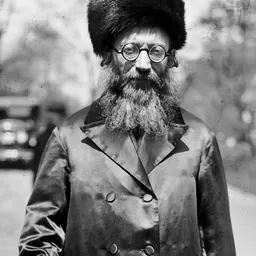

Related people
Same field, nearest in time
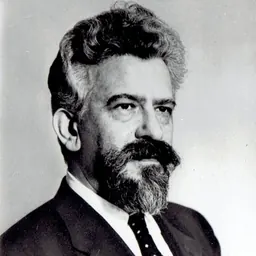


Contemporaries
People whose lives overlapped Moshe Zvi Segal's




Frequently asked questions
Who was Moshe Zvi Segal?
rabbi (1904–1984)
When was Moshe Zvi Segal born?
Moshe Zvi Segal was born on 23 January 1904 in Poltava.
When did Moshe Zvi Segal die?
Moshe Zvi Segal died on 25 September 1984 in Jerusalem.
What was Moshe Zvi Segal's occupation?
Moshe Zvi Segal was a rabbi.
What nationality was Moshe Zvi Segal?
Moshe Zvi Segal was Israeli.
Sources & further reading
· DBpedia: Moshe Zvi Segal (rabbi)
Cite this page
APA: Biography.guide. (2026). Moshe Zvi Segal. https://biography.guide/moshe-zvi-segal/
MLA: "Moshe Zvi Segal." Biography.guide, https://biography.guide/moshe-zvi-segal/.
Chicago: "Moshe Zvi Segal." Biography.guide. https://biography.guide/moshe-zvi-segal/.
Data last updated: 2026-09-20 · Spot an error? Report a correction.
Page generated 2026-09-27 05:28 UTC