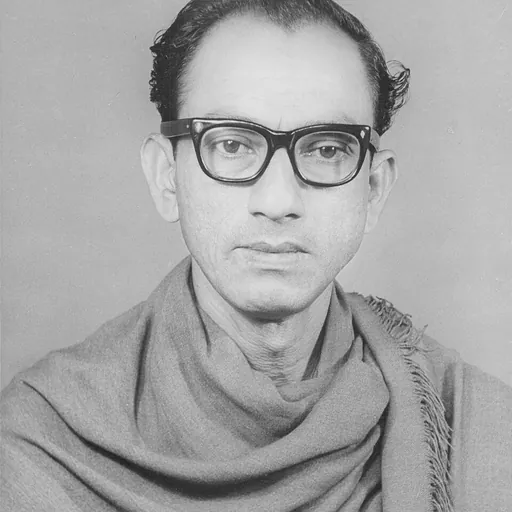
About Mosharraf Hossain
Lived 1925 – 1974 (aged 48). Mosharraf Hossain was a Bangladeshi politician and lawyer.
Mosharraf Hossain (; 7 March 1925 – 3 February 1974) was a politician and lawyer from Jessore, Bangladesh. He was actively involved in the Bengali nationalist movement in East Pakistan and the Liberation War of Bangladesh in 1971. and was a member of the Constituent Assembly of Bangladesh from April 1971 to September 1972. In 1972, he resigned from the Constituent Assembly, left the ruling party Awami League, and joined the left-wing opposition party Jatiya Samajtantrik Dal (abbr. JSD or JASAD or 'জাসদ') as one of its founding vice presidents. Mosharraf was assassinated in 1974. ) of today's Jessore. He received B.A, LL.B degree from Ripon College under the University of Calcutta. In 1953, due to his continued opposition to the ruling party, Congress, the Indian government accused him of treason and issued him a 24-hour ultimatum to leave the country.
East Pakistan In 1969, Sheikh Mujibur Rahman is being welcomed at a meeting organized in Jessore in support of the Six-point demand. Mosharraf Hossain is on the left, with the microphone, conducting the program. Afterwards, Hossain returned to Jessore city and continued developing his political career in East Pakistan with Awami League. Mosharraf was the secretary of the central relief committee that was formed in Jessore to help the refugees fleeing into Pakistan during the 1964 Calcutta riots. Mosharraf (center) and his supporters in front of his residence after winning the 1970 East Pakistan Provincial Assembly election from Jessore 9. In 1967, when Sheikh Mujibur Rahman was in jail, the Awami League split into two groups due to disagreements over the Six-point demand. Many of Mosharraf's political compatriots, including Mashiur Rahman and Raushan Ali of Jessore, joined the pro-PDM faction of the Awami League that opposed the Six-point. However, Mosharraf remained in the mainstream Awami League, with the Six-pointers. In January 1968, Sheikh Mujibur Rahman, accused in the Agartala Conspiracy Case and imprisoned in Dhaka Jail, was arrested from the jail gate and taken to Dhaka Cantonment. His whereabouts were kept secret by the Pakistani government. Advocate Mosharraf Hossain made a statement in February demanding the release of information regarding the physical condition and location of Sheikh Mujibur Rahman. In the statement, he also demanded that Sheikh Mujib be allowed to communicate with his family members and lawyers. +
The pro-PDM leaders eventually returned to the mainstream Awami League during the anti-Ayub movement. An avid political supporter of both the Six-point movement and the 1969 East Pakistan mass uprising,
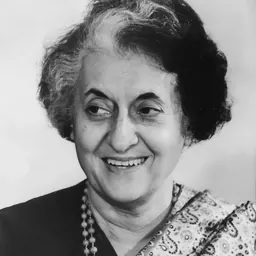
Bangladesh Liberation War During the Liberation War of Bangladesh in 1971, Pakistan's military government brought several charges against Mosharraf for his activities against the state. The charges included - opposing the state of Pakistan, arms procurement, arms distribution, and arms training. A reward was announced for the capture of him, dead or alive. At the very early stage of the war, when the Indian government was hesitant to get involved, he met Indian leaders like Jayaprakash Narayan, Indian Prime Minister Indira Gandhi, and others, requesting equipment and initiating support for the refugees. Mosharraf Hossain and Tajuddin Ahmed at the Bangladesh government's first public meeting in the liberated area of Jessore on 11 December 1971. Mosharraf became a member of the Constituent Assembly of Bangladesh in April. Arms training was also arranged there in a nearby school field. In November 1971, Bangladesh Awami League, operating the Provisional Government of Bangladesh in exile, tasked him with setting up local administration in the Jessore district and restoring Awami League's organizational capabilities in the area.
Independent Bangladesh Though Mosharraf was a central committee member of Awami League, his political differences with the party leadership grew over time. Raushan, a former pro-PDM leader, had previously opposed Mujib's Six-point demand and faced a three-year expulsion from the Awami League in 1967. In 1972, a division within the student wing of the Awami League resulted in Mosharraf's elder daughter, Sathi, aligning with Serajul Alam Khan's faction, which espoused the philosophy of Scientific Socialism and opposed Mujibism. Furthermore, in August of the same year, Mosharraf resigned from the vice-president position of the Jessore district Awami League, objecting the inclusion of political opportunists and sympathizers of the Muslim League within the committee.
On September 10, 1972, the Awami League temporarily suspended Mosharraf's primary membership, citing allegations of violating party orders, acting against the party's interest, and involvement in corruption. Subsequently, Mosharraf received a notice from the party ordering him to explain his conduct or face permanent expulsion. In response, Mosharraf refuted all allegations of corruption, challenged the authority of the Awami League committee to issue such a notice, and expressed concerns about the party's ideological disintegrity, pervasive corruption, and nepotism. Furthermore, he characterized the Awami League's post-liberation politics as more menacing in terms of deceit and betrayal than that of conspirators like Ayub Khan and Abdul Monem. Simultaneously, he announced his resignation from the Constituent Assembly of Bangladesh. The acting speaker accepted his resignation on September 22, and the official cessation notice was published on September 26 of the same year. Mosharraf Hossain went on to participate in the 1973 Bangladeshi general election as a JSD candidate in the (now defunct) Jessore 9 constituency but lost to Raushan Ali of Awami League. In total, only three candidates from the opposition parties, JSD, NAP (M), and Jatiya League, were able to win across the country. The margin of Awami League's victory came as a surprise to many observers.
Following the election, Mosharraf's personal safety became precarious amid an increasingly violent political struggle between Awami League and JSD, plus other left-wing insurgents. Soon he was arrested by the Rakkhi Bahini, a paramilitary force formed by the Bangladesh government to curb the insurgency. He was released on bail after two months.
Assassination Message of Condolence from prime minister Sheikh Mujibur Rahman after the death of Mosharraf Hossain. Mosharraf Hossain was assassinated by a gang of unknown armed operatives on 3 February 1974. He was gunned down to death at his residence by masked assailants while talking with his political associates. At that time, Mosharraf was the vice president of Bangladesh JSD. The party organized a general strike in Jessore, demonstrations in Dhaka, and nationwide protests decrying the brutal killing. However, JSD President Major Jalil alleged that Mosharraf’s assassination was orchestrated by those in power. Jasad's member of the parliament, Abdus Sattar, called for an 'adjournment motion' in the National Parliament regarding Musharraf's murder, but his request was denied by acting Home Minister Mansur Ali and Speaker Abdul Malek Ukil.
The Intercontinental Press, the official publication of the international Trotskyist political organization Fourth International, cited the assassination as a striking example of Mujib's oppression of political opposition.
Don’t just read it —
keep it.
Full-length biographies made to live with: read them, listen on the way to work, watch them tonight.
- E-book
- Audio
- Video
Instant download · yours to keep · every purchase keeps this site free
Important facts
People in Mosharraf Hossain's life
Named in this biography and alive at the same time




Related people
Same field, nearest in time




Contemporaries
People whose lives overlapped Mosharraf Hossain's



Frequently asked questions
Who was Mosharraf Hossain?
Member, Constituent Assembly of Bangladesh
When was Mosharraf Hossain born?
Mosharraf Hossain was born on 7 March 1925.
When did Mosharraf Hossain die?
Mosharraf Hossain died on 3 February 1974 in Jashore.
What was Mosharraf Hossain's occupation?
Mosharraf Hossain was a politician and lawyer.
What nationality was Mosharraf Hossain?
Mosharraf Hossain was Bangladeshi.
Sources & further reading
· Wikipedia: Mosharraf Hossain
· DBpedia: Mosharraf Hossain (Jessore politician)
Cite this page
APA: Biography.guide. (2026). Mosharraf Hossain. https://biography.guide/mosharraf-hossain/
MLA: "Mosharraf Hossain." Biography.guide, https://biography.guide/mosharraf-hossain/.
Chicago: "Mosharraf Hossain." Biography.guide. https://biography.guide/mosharraf-hossain/.
Data last updated: 2026-09-23 · Spot an error? Report a correction.
Portrait: Wikimedia Commons · author & licence
Page generated 2026-09-27 05:06 UTC