
About Mohammed Abdul Sattar
Lived 1958 – 2026 (aged 67–68). Mohammed Abdul Sattar was a Syrian politician.
Mohammed Abdul Sattar (Arabic: محمد عبد الستار) (born 1958, Tartus) was the Minister of Awqaf of Syria.
Early life and education and career Sattar was born into a Sunni Muslim family in the multicultural and multireligious town of Tartus in 1958. He has a Degree in Economy and Trade (1980) and PhD in Islamic Studies (2000) from Damascus University.
Career From 1985 until 2002 he was the Director of Religious Endowments and Mufti of Tartous Province. He was subsequently appointed Assistant Minister of Religious Endowments for Religious Affairs in 2002. When the Syrian uprising began in March 2011 Sattar was one of several Sunni who supported the regime.
As minister he has participated in several conferences and delivered lectures. At the Kiwan mosque during the 2015 International Media Conference Against Terrorism Sattar spoke of the martyrs who have defended the faith in Syria in the war against Takfiri Terrorism.
Sattar has been on the U.S. Department of the Treasury Office of Foreign Assets Control Specially Designated Nationals and Blocked Persons List since 2012. This means his assets are blocked and United States citizens are not permitted to have dealings with him. He is also listed on the Consolidated list of Financial Sanctions Targets in the UK last updated 2 June 2016. The European Union also has "restrictive measures against Syria" and added Dr. Mohammad Abdul Sattar Al Sayed to the list of persons 16 October 2012 as he "shares responsibility for the regime’s violent repression against the civilian population."
Contact with other religious groups in Syria The religious majority in Syria are Sunni Muslims who are around 70% of the population while Christians are around 10%. Although Christians are a minority they have been politically influential and after the uprising many militant Christians supported Bashar al-Assad in the hope that this will offer some protection against Islamists coming to power. Sattar has worked with Christians to keep the lines of communications open and to encourage Christian support for the government and its aims. In March 2013 at the Preachers and Imans in the Middle and Coastal Regions Forum held in Tartous the Minister spoke of Christians and Muslims working together to spread tolerance and friendship. In June 2014 Sattar with a delegation of Muslim scholars visited the newly installed Patriarch of Antioch Mor Ignatius Aphrem II of the Syriac Orthodox Church. Both expressed the view that Muslims and Christians should cooperate and work together for peace.
Personal life Sattar is married and has three children.
Don’t just read it —
keep it.
Full-length biographies made to live with: read them, listen on the way to work, watch them tonight.
- E-book
- Audio
- Video
Instant download · yours to keep · every purchase keeps this site free
Important facts
People in Mohammed Abdul Sattar's life
Named in this biography and alive at the same time



Related people
Same field, nearest in time


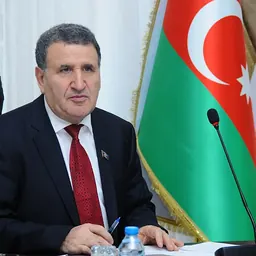
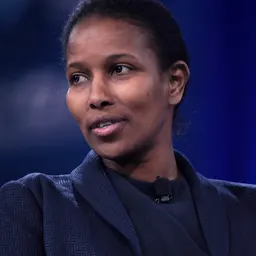

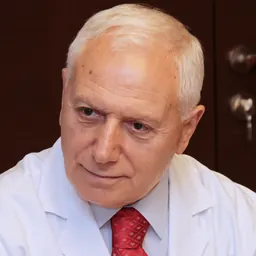
Contemporaries
People whose lives overlapped Mohammed Abdul Sattar's
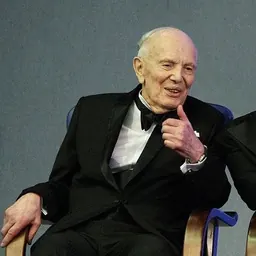


Frequently asked questions
Who was Mohammed Abdul Sattar?
Assad's endowments minister
When was Mohammed Abdul Sattar born?
Mohammed Abdul Sattar was born in 1958 in Tartus.
When did Mohammed Abdul Sattar die?
Mohammed Abdul Sattar died on 25 February 2026 in Moscow.
What was Mohammed Abdul Sattar's occupation?
Mohammed Abdul Sattar was a politician.
What nationality was Mohammed Abdul Sattar?
Mohammed Abdul Sattar was Syrian.
Sources & further reading
· Wikipedia: Mohammed Abdul Sattar
· DBpedia: Mohammed Abdul Sattar
Cite this page
APA: Biography.guide. (2026). Mohammed Abdul Sattar. https://biography.guide/mohammed-abdul-sattar/
MLA: "Mohammed Abdul Sattar." Biography.guide, https://biography.guide/mohammed-abdul-sattar/.
Chicago: "Mohammed Abdul Sattar." Biography.guide. https://biography.guide/mohammed-abdul-sattar/.
Data last updated: 2026-09-20 · Spot an error? Report a correction.
Page generated 2026-09-27 05:07 UTC