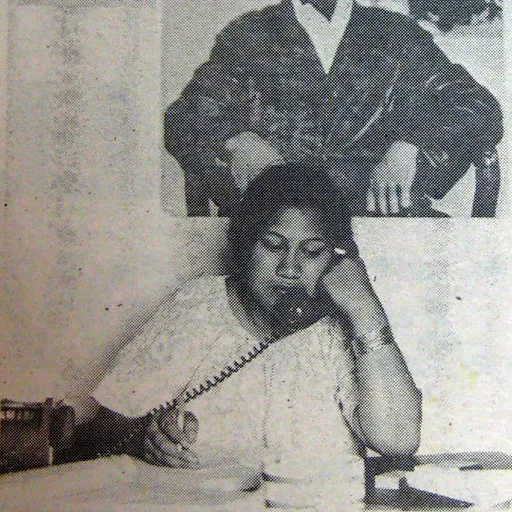
Miriama Rauhihi-Ness
New Zealand Māori activist and social worker
About Miriama Rauhihi-Ness
Lived 1951 – 2021 (aged 69–70). Miriama Rauhihi-Ness was a New Zealand social activist and social worker.
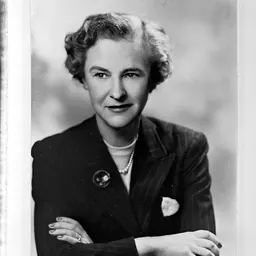
Miriama Rauhihi-Ness (née Rauhihi; 15 July 1951 – 15 March 2021), also known as Ama Ness, was a New Zealand Māori activist and social worker. She was one of the organisers of the 1975 Māori land march. In 1972, she helped lodge a Māori language petition, eventually culminating in Māori becoming an official language of New Zealand in 1987. She brought the Pacific community of New Zealand together, fighting for the rights of Māori and Pasifika alike.
Early life Rauhihi was born on 15 July 1951, and was raised in Shannon. Of Māori descent, she affiliated to Ngāti Raukawa ki te Tonga.
Polynesian Panthers Rauhihi joined the Polynesian Panthers in 1971. In 1972, she held the portfolio for culture in the male-dominated Panthers, which had chauvinistic members; as a result she began organising gender equality workshops for the Panthers and men in the community to target cultural bias and violence against women.
In the wake of the strike organised in Ponsonby, she was asked to join the Polynesian Panthers as their first full-time community worker in 1973. Notably, the march rested at her marae, Poutu Marae in Shannon.
In the aftermath of the 1976 police shooting of Daniel Houpapa, Rauhihi-Ness rallied the Panthers to march to Taumarunui in protest. She also strongly supported the Bastion Point occupation of 1977–1978. During the 1981 Springbok Tour she worked as a marshal, organising opposition to the tour. Although the Panthers disbanded after the Springbok Tour, Rauhihi-Ness continued her community work until her death.
Other work Rauhihi-Ness was part of the 1973 Māori delegation to China alongside names such as Hone Tuwhare, and Tāme Iti, which studied Chinese minority groups. She also joined Ngā Tamatoa, a Māori activist group similar to the Polynesian Panthers, and contributed towards making the Māori language an official language of New Zealand through her involvement in a petition that amassed over 30,000 signatures.
Personal life Rauhihi married musician Tigilau Ness, whom she had met during her time with the Polynesian Panthers, and gave birth to musician Che Fu. The couple later separated. Rauhihi-Ness died on 15 March 2021 from cancer at the age of 69, having been diagnosed only weeks earlier. She was buried at Waikumete Cemetery, Auckland.
Don’t just read it —
keep it.
Full-length biographies made to live with: read them, listen on the way to work, watch them tonight.
- E-book
- Audio
- Video
Instant download · yours to keep · every purchase keeps this site free
Important facts
People in Miriama Rauhihi-Ness's life
Named in this biography and alive at the same time

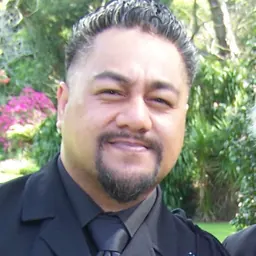


Related people
Same field, nearest in time
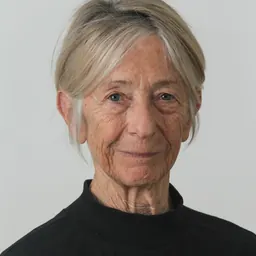

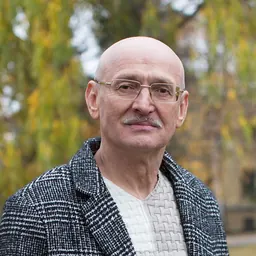

Contemporaries
People whose lives overlapped Miriama Rauhihi-Ness's


Frequently asked questions
Who was Miriama Rauhihi-Ness?
New Zealand Māori activist and social worker (1951–2021)
When was Miriama Rauhihi-Ness born?
Miriama Rauhihi-Ness was born in 1951.
When did Miriama Rauhihi-Ness die?
Miriama Rauhihi-Ness died on 15 March 2021.
What was Miriama Rauhihi-Ness's occupation?
Miriama Rauhihi-Ness was a social activist and social worker.
What nationality was Miriama Rauhihi-Ness?
Miriama Rauhihi-Ness was New Zealand.
Sources & further reading
· Wikipedia: Miriama Rauhihi-Ness
· DBpedia: Miriama Rauhihi-Ness
Cite this page
APA: Biography.guide. (2026). Miriama Rauhihi-Ness. https://biography.guide/miriama-rauhihi-ness/
MLA: "Miriama Rauhihi-Ness." Biography.guide, https://biography.guide/miriama-rauhihi-ness/.
Chicago: "Miriama Rauhihi-Ness." Biography.guide. https://biography.guide/miriama-rauhihi-ness/.
Data last updated: 2026-09-22 · Spot an error? Report a correction.
Portrait: Wikimedia Commons · author & licence
Page generated 2026-09-27 05:03 UTC