
Mateo Cariño
Ibaloi chieftain
About Mateo Cariño
Lived 1841 – 1908 (aged 66–67). Mateo Cariño was a chieftain.
Background The present-day Baguio Central School was the site of Cariño's house.
Cariño owned vast tracts of land which covered the area which would later be known as Baguio as early as the Spanish colonial period. Titles over the land were given to him by the Spanish colonial government in exchange for his conversion to Christianity. His surname was adopted after his conversion.
In 1901, Cariño was selected as representative of Baguio to chief executive of the US Insular Government over the Philippines. —would later be known as the "Mateo Cariño Doctrine" ("Cariño Doctrine", or "Native Title") which forms the legal basis of the protection of indigenous rights over ancestral lands, The case is also the legal basis of the Indigenous Peoples' Rights Act of 1997 (IPRA).
Personal life Mateo Cariño was married to Bayosa Ortega with whom he had nine children.
Don’t just read it —
keep it.
Full-length biographies made to live with: read them, listen on the way to work, watch them tonight.
- E-book
- Audio
- Video
Instant download · yours to keep · every purchase keeps this site free
Important facts
Contemporaries
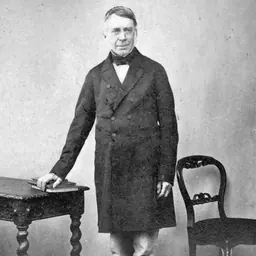
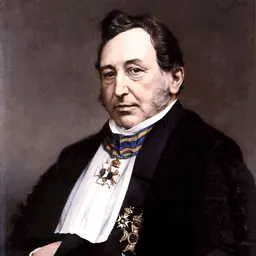
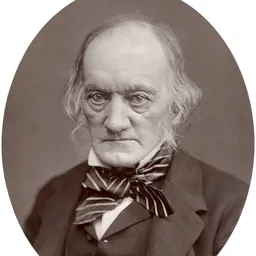
People whose lives overlapped Mateo Cariño's


Frequently asked questions
Who was Mateo Cariño?
ibaloi chieftain
When was Mateo Cariño born?
Mateo Cariño was born in 1841 in Tublay.
When did Mateo Cariño die?
Mateo Cariño died on 6 June 1908.
What was Mateo Cariño's occupation?
Mateo Cariño was a chieftain.
Sources & further reading
Cite this page
APA: Biography.guide. (2026). Mateo Cariño. https://biography.guide/mateo-carino/
MLA: "Mateo Cariño." Biography.guide, https://biography.guide/mateo-carino/.
Chicago: "Mateo Cariño." Biography.guide. https://biography.guide/mateo-carino/.
Data last updated: 2026-09-22 · Spot an error? Report a correction.
Page generated 2026-09-27 05:02 UTC