
About Mário Cravo
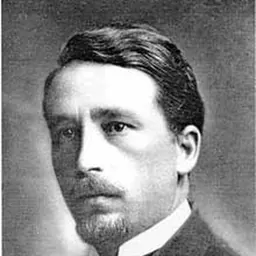
Lived 1923 – 2000 (aged 77). Mário Cravo was a Brazilian painter, draftsperson, sculptor, graphic artist and artist.
Mário Cravo Júnior (13 April 1923 – 1 August 2018) was a Brazilian sculptor, designer, and painter. He was part of the first generation of plastic artists in the city of Salvador, along with artists such as Carybé and . He worked as a plastic artist in the 1970s, he created numerous individual and collective expositions, awards, and sculptures in open spaces throughout Brazil, mainly in Salvador, along with having his works in museums worldwide. His works drew from various materials and inspirations, including the Afro-Brazilian influences of his native Bahia. His most well known work is the "Fonte da Rampa do Mercado" in the Comércio neighborhood of Salvador. His son, Mário Cravo Neto, and grandson, Christian Cravo, are both renowned photographers.
Biography Cravo's parents were Mario da Silva Cravo, a prosperous farm owner and merchant, and Marina Jorge Cravo, a cousin of poet Castro Alves. They lived in Salvador when Mário, the first of four children, was born. The family came from Alagoinhas in an attempt to establish themselves in Salvador, but a little while after moved back to Alagoinhas due to Cravo's father being elected mayor of the city. He was active in politics despite also being mainly in agriculture and commerce, a tradition within the family. He also wrote the book "Memórias de um homem de boa fé" (1975). Due to Cravo Júnior's mother liking literature and poetry, she was responsible for his first contact with books.
During his time in school he returned to Salvador to study, attending Colégio Antônio Vieira. It was during this period that he built up his talent for design and his interest in astronomy. After a turbulent period between professions, Mário began to set out and start his artistic career. During his time in rural Bahia, he also became interested in sculpting. He later studied with Ivan Meštrović in sculpting at the College of Fine Arts at Syracuse University, later completing works in the Manhattan neighborhood of Greenwich Village with Jacques Lipchitz. In 1960, his name was etched into the Brazilian pavilion at the Venice Biennale. His works, along with the works of other famous people from Bahia, inspired Salvador-based rapper Baco Exu do Blues in his 2018 album Esú. He also constructed the Orfeu statue in front of the Caramuru Building, as well as Cruz Caída, which memorializes the Old Cathedral of Salvador, which was demolished in the 1930s.
On 1 August 2018, Cravo died in Salvador at 95 years old.
Fonte da Rampa do Mercado in the Comércio neighborhood of Salvador.
Don’t just read it —
keep it.
Full-length biographies made to live with: read them, listen on the way to work, watch them tonight.
- E-book
- Audio
- Video
Instant download · yours to keep · every purchase keeps this site free
Important facts
People in Mário Cravo's life
Named in this biography and alive at the same time
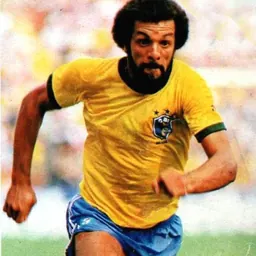
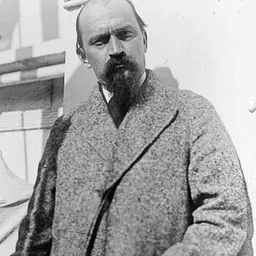


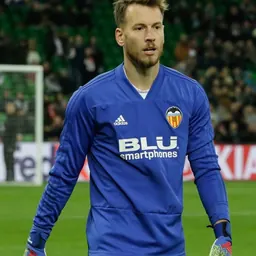

Related people
Same field, nearest in time

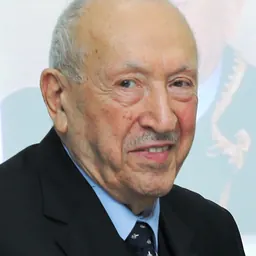
Contemporaries
People whose lives overlapped Mário Cravo's
Frequently asked questions
Who was Mário Cravo?
Brazilian painter (1923-2018)
When was Mário Cravo born?
Mário Cravo was born on 13 April 1923 in Salvador.
When did Mário Cravo die?
Mário Cravo died on 1 August 2000 in Salvador.
What was Mário Cravo's occupation?
Mário Cravo was a painter, draftsperson, sculptor, graphic artist and artist.
What nationality was Mário Cravo?
Mário Cravo was Brazilian.
Sources & further reading
Cite this page
APA: Biography.guide. (2026). Mário Cravo. https://biography.guide/mario-cravo/
MLA: "Mário Cravo." Biography.guide, https://biography.guide/mario-cravo/.
Chicago: "Mário Cravo." Biography.guide. https://biography.guide/mario-cravo/.
Data last updated: 2026-09-20 · Spot an error? Report a correction.
Page generated 2026-09-27 05:03 UTC