
About Margarida Teresa da Silva e Orta
Lived 1711 – 1793 (aged 81–82). Margarida Teresa da Silva e Orta was a Brazilian novelist, poet and writer.
Margarida Teresa da Silva e Orta (1711–1793) (often written as Teresa Margarida da Silva e Orta ) was a Brazilian-born author of the Enlightenment era. She is considered the first female novelist in the Portuguese language. She initially published under the pseudonym Dorotéia Engrassia Tavareda Dalmira, which is a perfect anagram of her name.
Biography She was born in São Paulo, in the Portuguese colony of Brazil. Her mother was a wealthy Brazilian, Catarina de Orta, and her father was Portuguese, José Ramos da Silva, knight of the Order of Christ, purveyor of the Lisbon Mint. Early printings of some of her works featured an incorrect author; instead of Silva e Orta, they show the name of a man.
Handwritten Theresa Margarida da Silva e Horta, locked up in the Ferreira monastery, sends her just tears to the heavens in the following epic-tragic poem, Novena of the Patriarch St. Benedict Dedicatory letter to Abbess D. Anna Josepha of Castel-Branco
Printed Maxims of virtue, and ferocity with which Diofanes, Clyminea, and Hemirena Principes of Thebes overcame the toughest challenges of misfortune, Lisbon, Officina Miguel Manescal da Costa, 1752. Adventures of Dióphanes, Imitating the very wise Fenelon on his Journey to Telemachus Adventures of Dióphanes, imitating Sapientissimo Fenelon on his Telemachus Journey by Dorothea Engrassia Tavareda Dalmira. Its true author Alexandre de Gusmão History of Diophanes, Clymenea and Hemyrena, Princes of Thebes. Moral History written by human Lady Portuguese, Lisbon, Typographia Rollandiana,
Posthumous works In the book Obra Reunida, from the Revisões Series, published in 1993, in addition to Maxims of Virtue and Formosura (1752), there are also the texts she wrote in the cloister of the Monastery of Ferreira de Aves. They are the Epic-tragic Poem, the Novena of the patriarch São Bento and the Petition that the prey makes to Queen N. Senhora. In the same collection, there are testimonies from her first critics, such as Rodrigo de Sá and Barbosa Machado, and critical texts by Ernesto Ennes, Tristão de Athayde and Rui Bloem.
Don’t just read it —
keep it.
Full-length biographies made to live with: read them, listen on the way to work, watch them tonight.
- E-book
- Audio
- Video
Instant download · yours to keep · every purchase keeps this site free
Important facts
People in Margarida Teresa da Silva e Orta's life
Named in this biography and alive at the same time
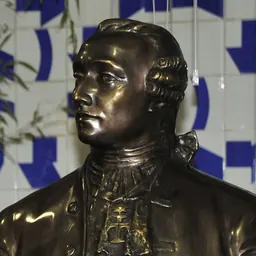
Related people
Same field, nearest in time
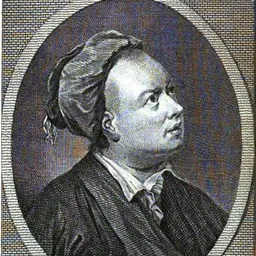


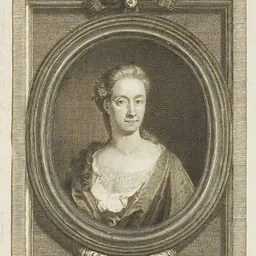
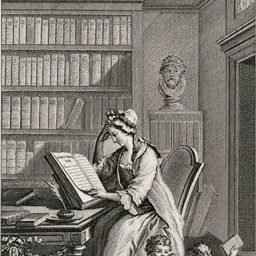
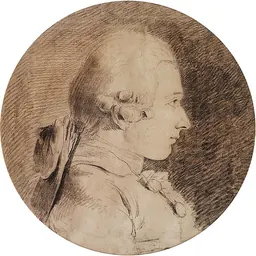
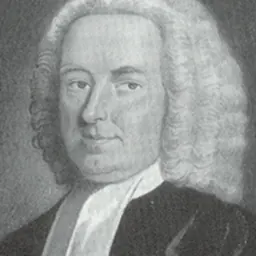
Contemporaries
People whose lives overlapped Margarida Teresa da Silva e Orta's





Frequently asked questions
Who was Margarida Teresa da Silva e Orta?
Brazilian-born writer
When was Margarida Teresa da Silva e Orta born?
Margarida Teresa da Silva e Orta was born in 1711 in São Paulo.
When did Margarida Teresa da Silva e Orta die?
Margarida Teresa da Silva e Orta died on 24 October 1793 in Lisbon.
What was Margarida Teresa da Silva e Orta's occupation?
Margarida Teresa da Silva e Orta was a novelist, poet and writer.
What nationality was Margarida Teresa da Silva e Orta?
Margarida Teresa da Silva e Orta was Brazilian.
Sources & further reading
· Wikipedia: Margarida Teresa da Silva e Orta
· DBpedia: Margarida Teresa da Silva e Orta
Cite this page
APA: Biography.guide. (2026). Margarida Teresa da Silva e Orta. https://biography.guide/margarida-teresa-da-silva-e-orta/
MLA: "Margarida Teresa da Silva e Orta." Biography.guide, https://biography.guide/margarida-teresa-da-silva-e-orta/.
Chicago: "Margarida Teresa da Silva e Orta." Biography.guide. https://biography.guide/margarida-teresa-da-silva-e-orta/.
Data last updated: 2026-09-20 · Spot an error? Report a correction.
Page generated 2026-09-27 05:20 UTC