
Manu Munsi
Indian Mother-of-Pearl artist
About Manu Munsi
Lived 1924 – 2009 (aged 84). Manu Munsi was an Indian.
Manu Munsi, also spelt as Manu Munshi or Monu Munshi (Bengali: মনু মুন্সী), born as Manomohan Munshi (2 August 1924 – 20 February 2009), was an Indian painter and sculptor known for his works on Indian Mother-of-pearl art during the mid-to-end of the 20th century. Some of his works in mother of pearl include Gandhiji's Noakhali Expedition, Indira Gandhi and Nur Jahan.
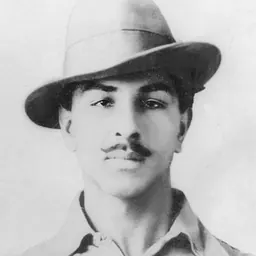
Apart from the Mother-of-pearl artworks and sculptures, he also created wire sculptures in Bengal included Rabindranath Tagore, Kazi Nazrul Islam, Swami Vivekananda, Mahatma Gandhi, Bhagat Singh. Some of his works are held in the personal collections of Bidhan Chandra Roy, the former Chief Minister of West Bengal and Satyajit Ray. He also portrayed Tagore in various poses engraved on metal plates.
Birth and family background
Munsi was born in Jessore on 2 August in 1924 His elder brother was Annada Munshi who is called the Father of Commercial Art in India according to some art critics.
Initial days and education Munshi, after finishing his matriculation, started working as a novice in the studio of painter Prahlad Karmakar in Calcutta. His elder brother Annada encouraged him to attend the then Government Art School (present day Government College of Art and Craft) in Calcutta.
Career Munshi began his career with J. Walter Thompson, India, inspired by Annada Munshi and film-director Rajen Tarafdar. But, during the course of his career, he felt that the commercial art was not for him and resigned. Later he joined the Government Arts and Craft Board and ended up resigning from there too. He became a permanent part of the All India Handicrafts Board before his retirement as a senior artist.
Selected works Some of his Mother-of-Pearl artworks are Gandhiji's Noakhali Expedition, Indira Gandhi (1985) and Nur Jahan. He also portrayed Tagore in a variety of stances etched on metal plates. In 1985, Satyajit Ray wrote about Manu Munshi's Mother-of-pearl piece titled Indira Gandhi: "I have seen the mother-of-pearl portrait of Smt. Gandhi done by Shri Manu Munshi. I find it of excellent quality."
Personal life Munshi was married to Maya Bose (later Maya Munshi) whose family was from Khannyan of Hooghly of West Bengal. The couple has three sons.
Legacy After the death of Munshi, Santanu Ghosh wrote about his life in the books Binodane Paikpara Belgachia (in Bengali: বিনোদনে পাইকপাড়া বেলগাছিয়া) and Munshianay Chollis Purush (in Bengali: মুন্সিয়ানায় চল্লিশ পুরুষ).
In 2024 June, in honor of Munshi's centenary birth anniversary, a documentary film titled Excellence of Munshis in Arts (in Bengali: শিল্পে মুন্সীদের মুন্সিয়ানা) was released which was directed by Partho Mukherjee based on research by Munshi's youngest son artist Amitava Munshi.
Don’t just read it —
keep it.
Full-length biographies made to live with: read them, listen on the way to work, watch them tonight.
- E-book
- Audio
- Video
Instant download · yours to keep · every purchase keeps this site free
Important facts
People in Manu Munsi's life
Named in this biography and alive at the same time
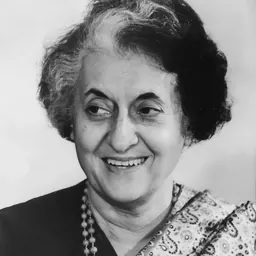

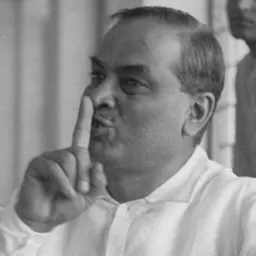

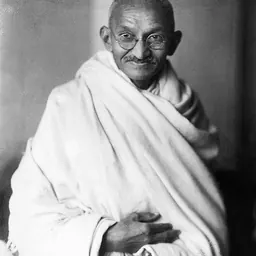
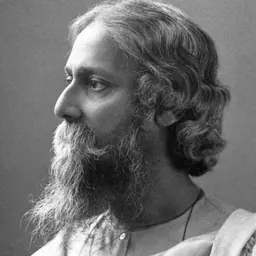

Contemporaries
People whose lives overlapped Manu Munsi's




Frequently asked questions
Who was Manu Munsi?
Indian Mother-of-Pearl artist (1924–2009)
When was Manu Munsi born?
Manu Munsi was born on 2 August 1924.
When did Manu Munsi die?
Manu Munsi died on 20 February 2009.
What nationality was Manu Munsi?
Manu Munsi was Indian.
Sources & further reading
Cite this page
APA: Biography.guide. (2026). Manu Munsi. https://biography.guide/manu-munsi/
MLA: "Manu Munsi." Biography.guide, https://biography.guide/manu-munsi/.
Chicago: "Manu Munsi." Biography.guide. https://biography.guide/manu-munsi/.
Data last updated: 2026-09-26 · Spot an error? Report a correction.
Page generated 2026-09-27 05:16 UTC