
About Mahmuda Khatun Siddiqua
Lived 1906 – 1977 (aged 70). Mahmuda Khatun Siddiqua was an Indian, Pakistani and Bangladeshi poet and writer.
Raquibunnesa Mahmuda Khatun Siddiqua (; 16 December 1906 – 2 May 1977), also known by her daak naam Batashi , was a Bangladeshi poet, essayist, and a pioneering women's liberation activist. She was awarded Ekushey Padak in 1977 by the Government of Bangladesh.
Life and activism Siddiqua was born on 16 December 1906 in Pabna District, Eastern Bengal and Assam. She belonged to a Bengali Muslim zamindar family from Niamatbari in Kushtia and traced her lineage to Sheikh Saifullah. Her father, Khan Bahadur Mohammad Sulaiman, was employed as the deputy collector of Rajshahi Division and was also a school inspector who supported women's literary movement. Her mother, Syeda Rahatunnesa Khatun, was a bibliophile and hailed from a Syed family. She returned to live with her father who supporter her independence and social work throughout his life as she wrote poems and joined social welfare activities. She was involved in running a free-clinic for homeopathy treatment and also joined the Swadeshi movement.
Mahmuda believed in the network of sisterhood and supported new female writers whole-hardheartedly. She was inspired by how Saogat supported the women's movement and wrote in the magazine all through. She also mentored new writers with networking leads and advice. Her niece Nurjahan Begum remembers:She would bring along women writers, whenever she found one. She went knocking at different publishers doors, urging them to publish books by a lot of women writers. Most of them still remember her.
Literary work Mahmuda's first poem was published in a magazine from Calcutta called Al-Islam when she was twelve. She also attended literary meetings both in Pabna and Calcutta. Although she did not receive any formal degrees, she was a self-taught scholar. She ready widely and was influenced by contemporary literature. She also traveled to many places, which inspired her to write about themes like nature, environment, culture and society.
Mahmuda's compositions included sonnets and poems in free verse. She was deeply moved by the woes caused by the two World Wars and advocated for peace in her poems. She published three volumes of poetry: Pasharini (1931), Man O Mrttika (1960) and Aranyer Sur (1963). Additionally, she also wrote essays and short stories.
Death She died on 2 May 1977.
Awards Bangla Academy Literary Award (1967) Ekushey Padak (1977)
Don’t just read it —
keep it.
Full-length biographies made to live with: read them, listen on the way to work, watch them tonight.
- E-book
- Audio
- Video
Instant download · yours to keep · every purchase keeps this site free
Important facts
People in Mahmuda Khatun Siddiqua's life
Named in this biography and alive at the same time

Related people
Same field, nearest in time


Contemporaries
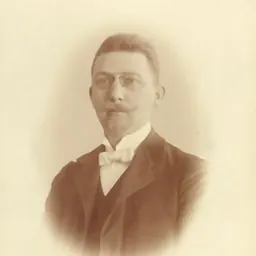
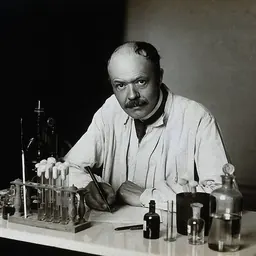
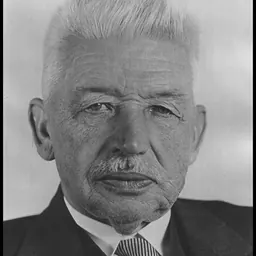
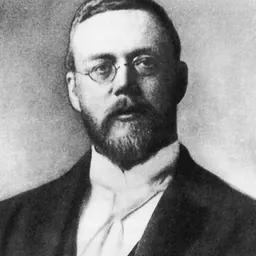
People whose lives overlapped Mahmuda Khatun Siddiqua's

Frequently asked questions
Who was Mahmuda Khatun Siddiqua?
Bengali poet
When was Mahmuda Khatun Siddiqua born?
Mahmuda Khatun Siddiqua was born on 16 December 1906 in Pabna.
When did Mahmuda Khatun Siddiqua die?
Mahmuda Khatun Siddiqua died on 2 May 1977 in Dhaka.
What was Mahmuda Khatun Siddiqua's occupation?
Mahmuda Khatun Siddiqua was a poet and writer.
What nationality was Mahmuda Khatun Siddiqua?
Mahmuda Khatun Siddiqua was Indian, Pakistani and Bangladeshi.
Sources & further reading
· Wikipedia: Mahmuda Khatun Siddiqua
· DBpedia: Mahmuda Khatun Siddiqua
Cite this page
APA: Biography.guide. (2026). Mahmuda Khatun Siddiqua. https://biography.guide/mahmuda-khatun-siddiqua/
MLA: "Mahmuda Khatun Siddiqua." Biography.guide, https://biography.guide/mahmuda-khatun-siddiqua/.
Chicago: "Mahmuda Khatun Siddiqua." Biography.guide. https://biography.guide/mahmuda-khatun-siddiqua/.
Data last updated: 2026-09-20 · Spot an error? Report a correction.
Page generated 2026-09-27 05:05 UTC