
Magnus Schwantje
German author, pacifist, animal rights activist, and pioneer of the German vegetarian movement
About Magnus Schwantje
Lived 1877 – 1959 (aged 82). Magnus Schwantje was a German writer, editor, opinion journalist and pacifism.
Magnus Ernst Schwantje (3 June 1877 – 11 September 1959) was a German author and activist. He was a campaigner for pacifism, animal rights and vegetarianism, founding the Bund für radikale Ethik ("Alliance for Radical Ethics") and co-founding the Bund der Kriegsdienstgegner ("Alliance of Enemies of Military Service").
Biography
Early life and education Magnus Ernst Schwantje was born on 3 June 1877, in Oldenburg, German Empire, the youngest of four siblings.
Schwantje's compassion for animals developed early in life, particularly due to the widespread cruelty toward animals in the 19th century, when legal protections were minimal. He famously recalled being moved by an article on vivisection in his youth, which led him to vow to campaign against such practices as an adult.
Views During World War I Schwantje developed a concept of radical ethics, which aims to address the root (therefore "radical") of all ills of societies. First and foremost this concept included as its most important component the protection of animal rights. In Schwantje's view, every being that is able to suffer is a legal entity, no matter what species it belongs to. A vegetarian diet, the abolition of vivisection and hunting were central claims of his idea of animal rights.
Schwantje himself practiced a strict vegetarian diet in a very devoted way, which today would be called veganism. The reasons Schwantje gave for his vegan lifestyle were primarily of ethical nature, whereas he rejected naturalistic arguments. He also repeatedly argued against prejudicating entire nations or other groups as for example tormentors of animals, as in the case of Spain (see for example bullfighting). He also vehemently rejected antisemitism, racism and racial hygiene, which was popular during his time.
Modern advocates of antispeciecism regard Schwantje as a predecessor. Author Matthias Rude writes in his book on the topic: "Schwantje entirely saw through the function of speciesistic ideology." In 1927 Schwantje spoke at the VII. Internationaler Demokratischer Friedens-Kongress ("7th international democratic peace-congress") in the bavarian city Würzburg and said: "For most people however, especially for meat-eaters, it's hard to judge animals in an unbiased manner, because they realize, that they must not exploit them as they do today, if they must acknowledge their higher mental qualities, especially an acute ability to suffer. Precisely because humans gain big profit through exploiting animals, they despise them. Today's contempt of animals has the same cause as the undervaluation of workers, of women, of Negroes and other oppressed and exploited human beings. Every time humans want to exploit other humans, they tend to suggest views about these humans, that facilitate the exploitation for them." (Translated from German, see the German article on Magnus Schwantje to read the original citation)
Works
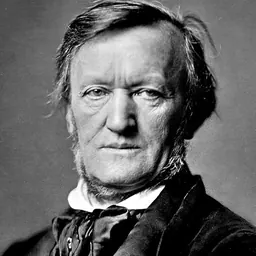
Das »edle Waidwerk« und der Lustmord. 1897 ("The »noble Huntsmanship« and Sex Murder") Das Recht der Laien gegenüber den Ärzten. 1901 ("The Right of Laypersons As Against Doctors") Die Beziehungen der Tierschutzbewegung zu andern ethischen Bestrebungen. 1909 ("The Connections of the Animal Rights Movement to Other Ethical Endeavours") Tiermord und Menschenmord, Vegetarismus und Pazifismus 1916 (Reprint 2010, "Murder of Animals and Murder of Humans, Vegetarianism and Pacifism") Radikalismus und Idealismus. 1919 ("Radicalism and Idealism") Über Richard Wagners ethisches Wirken. 1919 ("About Richard Wagner's Ethical Activities") Schopenhauers Ansichten von der Tierseele und vom Tierschutz. 1919 ("Schopenhauer's Views of the Animal-soul and of Animal Protection") Gründe gegen die Vivisektion. 1919 ("Reasons Against Vivisection") Friedensheldentum. Pazifistische Aufsätze aus den Jahren 1914 und 1915. 1919 ("The Concept of the Peace-hero. Pacifistic Essays From the Years 1914 and 1915") Sollen wir jede sogenannte ehrliche Überzeugung achten? Eine Untersuchung der Einwirkung des unbewußten Willens auf die Urteilsbildung. 1920 ("Shall We Respect Every So Called Honest Belief? An Examination of the Impact of the Unconscious Will on the Creation of Judgements") Hans Paasche. Sein Leben und Wirken. 1921 ("Hans Paasche. His Life and Works") Das Recht zur Gewaltanwendung. 1922 ("The Right for the Use of Violence") Die Liebe zu den Tieren. 1923 ("The Love of Animals") Tierschlachtung und Krieg. 1928 ("Animal Slaughter and War") Ehrfurcht vor dem Leben, Brüderlichkeit und Vegetarismus. 1949 ("Reverence for Life, Brotherliness and Vegetarianism") Gegenseitige Hilfe und Kampf ums Dasein in der Tierwelt. 1952 ("Mutual Help and the Fight for Existence in the Animal World")
Literature
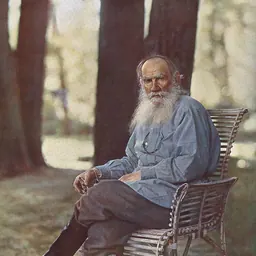
Leo Tolstoy, Clara Wichmann, Elisée Reclus, Magnus Schwantje u. a. – Das Schlachten beenden! Zur Kritik der Gewalt an Tieren. Anarchistische, feministische, pazifistische und linkssozialistische Traditionen. Verlag Graswurzelrevolution Heidelberg 2010, S. 97–119 Magnus Ernst Schwantje gestorben, in: Mitteilungen des Stader Geschichts- und Heimatvereins, Jg. 38 (1963), S. 53–54. Käthe Moritz (Hrsg.): Magnus Schwantje – dem bahnbrechenden Vegetarierphilosophen und selten uneigennützigen Menschen zum Gedächtnis. Friedens-Verlag: Salzburg / Großgmain – Bad Reichhall o. J. [1959 ?]
Don’t just read it —
keep it.
Full-length biographies made to live with: read them, listen on the way to work, watch them tonight.
- E-book
- Audio
- Video
Instant download · yours to keep · every purchase keeps this site free
Important facts
People in Magnus Schwantje's life
Named in this biography and alive at the same time
Related people
Same field, nearest in time


Contemporaries
People whose lives overlapped Magnus Schwantje's



Frequently asked questions
Who was Magnus Schwantje?
German author, pacifist, animal rights activist, and pioneer of the German vegetarian movement (1877–1959)
When was Magnus Schwantje born?
Magnus Schwantje was born on 3 June 1877 in Oldenburg.
When did Magnus Schwantje die?
Magnus Schwantje died on 11 September 1959 in Oberhausen.
What was Magnus Schwantje's occupation?
Magnus Schwantje was a writer, editor, opinion journalist and pacifism.
What nationality was Magnus Schwantje?
Magnus Schwantje was German.
Sources & further reading
Cite this page
APA: Biography.guide. (2026). Magnus Schwantje. https://biography.guide/magnus-schwantje/
MLA: "Magnus Schwantje." Biography.guide, https://biography.guide/magnus-schwantje/.
Chicago: "Magnus Schwantje." Biography.guide. https://biography.guide/magnus-schwantje/.
Data last updated: 2026-09-22 · Spot an error? Report a correction.
Page generated 2026-09-27 05:19 UTC