
Lydia Irving
(1797–1893), philanthropist & prison visitor
About Lydia Irving
Lived 1797 – 1893 (aged 96). Lydia Irving was a British prison visitor.
Lydia Irving (15 May 1797 – 22 February 1893) was a British philanthropist & prison visitor. She was a leading Quaker and she worked closely with Elizabeth Fry seeking to improve conditions for women in prisons and on convict ships filled with those to be transported.
Life Irving was born in Welbury in Yorkshire in 1797 and she was raised by her Quaker grandparents. Irving got involved with the finances but she was a keen visitor to White Cross Street debtors' prison. William Evans, the surgeon of the "Lady of The Lake" noted the valuable worth of the Ladies Society and he singled out Pryor and Irving's work for praise. This ship took 142 days to transport 79 women convicts.
In 1838 the Friends sent a party to France. Irving went with Elizabeth Fry and her husband, and the abolitionists Josiah Forster and William Allen. They were there on other business but despite the language barrier Fry and Lydia Irving visited French prisons.
The convict sub-committee's work was singled out for thanks by the women on board the Rajah as it travelled to Australia. The convicts used the sewing materials to create an enormous quilt that is now regarded as one of Australia's most important textiles. The Rajah Quilt contains a message in the border giving thanks to the convict ship committee. The quilt was presented to the governor's wife Jane Franklin. The organisation of this quilt is considered to be Kezia Hayter who was the only free woman. She had come from the Millbank Penitentiary to assist Franklin in forming her own committee to mirror the one in the UK.
The convict ship committee included Elizabeth Hanbury, Katherine Fry and Hannah Bevan. Hanbury would in time take over the organisation of convict ship visiting as Elizabeth Pryor was disowned after she asked the prison authorities for remuneration.
Irving's good friend Elizabeth Fry died in 1845 and the Ladies Society funded an Elizabeth Fry Refuge for the repentant. Irving worked closely with the committee that organised this. Irving went blind in 1877. The Ladies Society agreed to pay her a lump sum and a pension to thank her for her work.
Irving died in Stoke Newington in 1893.
Don’t just read it —
keep it.
Full-length biographies made to live with: read them, listen on the way to work, watch them tonight.
- E-book
- Audio
- Video
Instant download · yours to keep · every purchase keeps this site free
Important facts
People in Lydia Irving's life
Named in this biography and alive at the same time

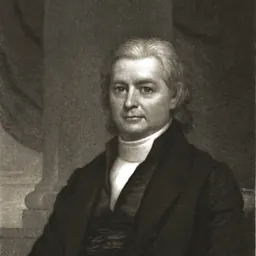
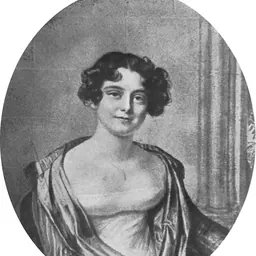

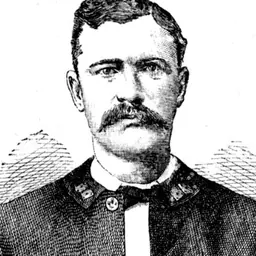
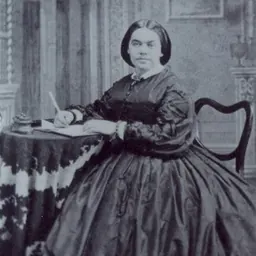
Related people
Same field, nearest in time
Contemporaries
People whose lives overlapped Lydia Irving's






Frequently asked questions
Who was Lydia Irving?
(1797–1893), philanthropist & prison visitor
When was Lydia Irving born?
Lydia Irving was born on 17 January 1797 in Yorkshire.
When did Lydia Irving die?
Lydia Irving died on 22 February 1893 in Stoke Newington.
What was Lydia Irving's occupation?
Lydia Irving was a prison visitor.
What nationality was Lydia Irving?
Lydia Irving was British.
Sources & further reading
Cite this page
APA: Biography.guide. (2026). Lydia Irving. https://biography.guide/lydia-irving/
MLA: "Lydia Irving." Biography.guide, https://biography.guide/lydia-irving/.
Chicago: "Lydia Irving." Biography.guide. https://biography.guide/lydia-irving/.
Data last updated: 2026-09-22 · Spot an error? Report a correction.
Page generated 2026-09-27 05:20 UTC