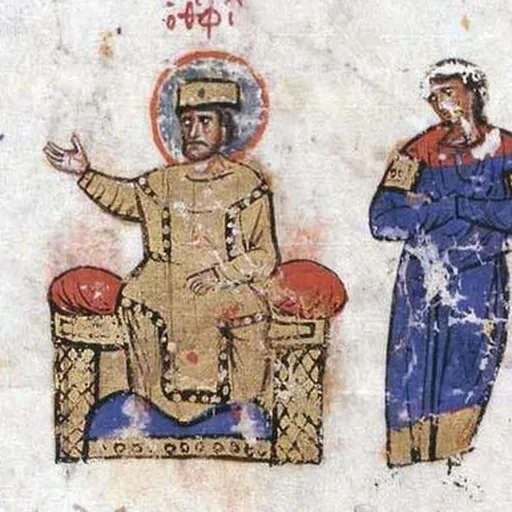
About Lazarus Zographos
Lived 810 – 867 (aged 56–57). Lazarus Zographos was a Byzantine monk and iconographer.
Lazarus , surnamed Zographos (Ζωγράφος, "the Painter"), was a 9th-century Byzantine Christian saint. He is also known as Lazarus the Painter and Lazarus the Iconographer. Born in Armenia on November 17, 810, he lived before and during the second period of Byzantine Iconoclasm. Lazarus was the first saint to be canonized specifically as an iconographer. He was later followed by Saint Catherine of Bologna.
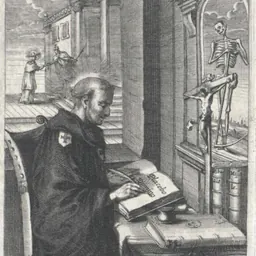
Life and times Lazarus became a monk at an early age and is thought to have studied the art of painting at the Stoudios Monastery in Constantinople. Lazarus was noted to possess the following virtues: love for Christ, asceticism, prayer, and rejection of the vanities of the world. He was further recognized for his acts of self-control, discipline and alms-giving. He was ordained a priest. In his lifetime, he was highly regarded and well known for his frescos. He used faith and ritual as a means to transcribe his inner contemplation onto the images he painted. Thus, his ability to paint icons was seen as a gift given by God.
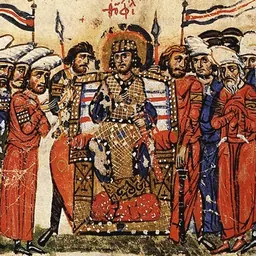
During the reign of Theophilos , an iconoclast emperor who was opposed to holy images, Lazarus stubbornly continued his craft of painting icons and began restoring images defaced by heretics. Theophilos sought out Lazarus, who was then famous for his painting, and intended to make an example of him.
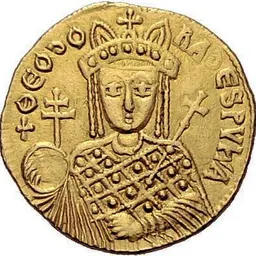
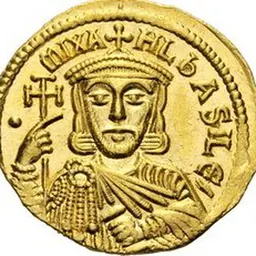
After being asked several times to stop painting, Lazarus was brought before the emperor, where he refused to destroy any of the images he painted. The emperor discovered that Lazarus was not affected by flattery and bribery. He was threatened with the death penalty, which at the time was not an uncommon outcome for those who favored icons (iconodules). However, Lazarus being a man of the cloth, could not be put to death and so he was instead thrown in prison. During his imprisonment, he was subjected to such "severe torture that his flesh melted away along with his blood." He was left to die of his wounds but recovered. He then began to paint holy images on panels from his prison cell. Hearing of this, Theophilos gave orders to have "sheets of red-hot iron to be applied to the palms of his hands where, as a result, he lost consciousness and lay half dead." After the death of Theophilos in 842, Theodora asked Lazarus to forgive her husband's actions, to which he replied "God is not so unjust, O, Empress, as to forget our love and labors on his behalf, and attach greater value to that mans hatred and extraordinary insanity."
Attributed artworks
After the restoration of the icons in 843, Lazarus was again free to pursue his painting. Despite his previous wounds, Lazarus was said to have painted a large fresco of St. John at the Phoberos Monastery. The painted icon was known to have the power to perform cures and miracles. That same year, he also famously restored a portrait of Christ known as the Christ Chalkites (Christ of the Chalke) over the Chalke Gate, a ceremonial entrance of the Great Palace of Constantinople.
Ambassador to Rome In 856, Lazarus was served as a diplomat for Michael III, Theophilos and Theodora's son, who sent him as an emissary to visit Pope Benedict III to discuss the possibility of reconciliation between the Catholic Church of Rome and the Orthodox Church, who at this point had very strained relations. In 865, during his second mission to the Pope, Lazarus died at Rome on 28 September, although Raymond Janin disputes the date. He was buried in the Monastery of Evandros, near Constantinople.
Don’t just read it —
keep it.
Full-length biographies made to live with: read them, listen on the way to work, watch them tonight.
- E-book
- Audio
- Video
Instant download · yours to keep · every purchase keeps this site free
Important facts
People in Lazarus Zographos's life
Named in this biography and alive at the same time
Related people
Same field, nearest in time


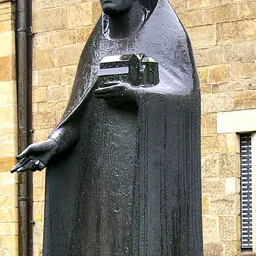
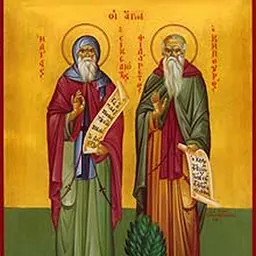
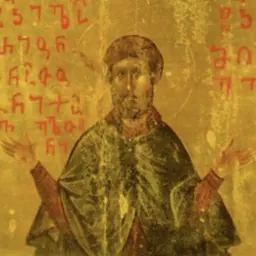
Contemporaries
People whose lives overlapped Lazarus Zographos's

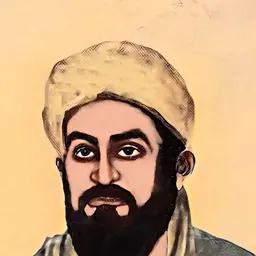

Frequently asked questions
Who was Lazarus Zographos?
9th-century Byzantine Christian saint (810-867) (c.810-867)
When was Lazarus Zographos born?
Lazarus Zographos was born on 17 November 810 in Byzantine Empire.
When did Lazarus Zographos die?
Lazarus Zographos died in 867 in Galata.
What was Lazarus Zographos's occupation?
Lazarus Zographos was a monk and iconographer.
What nationality was Lazarus Zographos?
Lazarus Zographos was Byzantine.
Sources & further reading
· Wikipedia: Lazarus Zographos
Cite this page
APA: Biography.guide. (2026). Lazarus Zographos. https://biography.guide/lazarus-zographos/
MLA: "Lazarus Zographos." Biography.guide, https://biography.guide/lazarus-zographos/.
Chicago: "Lazarus Zographos." Biography.guide. https://biography.guide/lazarus-zographos/.
Data last updated: 2026-09-22 · Spot an error? Report a correction.
Portrait: Wikimedia Commons · author & licence
Page generated 2026-09-27 05:04 UTC