
About Lázaro Francisco
Lived 1898 – 1980 (aged 82). Lázaro Francisco was a Filipino writer and novelist, known for Maganda pa ang Daigdig.
Lázaro Francisco y Angeles, also known as Lazaro A. Francisco (February 22, 1898 – June 17, 1980) was a Filipino novelist, essayist and playwright. Francisco was posthumously named a National Artist of the Philippines for Literature in 2009.
Biography
Lazaro Francisco was born on February 22, 1898, to Eulogio Francisco and Clara Angeles, in Orani, Bataan. He spent his childhood years in Cabanatuan, Nueva Ecija. He took his college education at the Central Luzon Agricultural College (now Central Luzon State University), but was not able to finish due to poverty. He became a messenger of the Provincial Treasurer's Office of Nueva Ecija. Later on, he took third degree civil service examination where he qualified to become an assessor of the provincial government of Nueva Ecija.
He started writing in 1925, with five of his novels took him to fame. Being an assessor in an agricultural province, most of his writings were focused on small farmers and their current conditions with foreign businessmen. This lead him to win separate awards from Commonwealth Literary Contest in 1940 and 1946, for his masterpieces, Singsing na Pangkasal and Tatsulok, respectively.
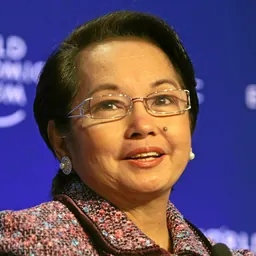
In 2009, former president Gloria Macapagal Arroyo awarded the National Artist of the Philippines for Literature to Francisco, posthumously, for his significant contribution to Philippine literature. Bayang Nagpatiwakal (Country That Committed Suicide), 1931-1932 Sa Paanan ng Krus (At the Cross' Foot), 1934 Ang Pamana ng Pulubi (Beggar's Heritage), 1935 Bago Lumubog ang Araw (Before the Sun Sets), 1936 Singsing na Pangkasal (Wedding Ring), 1939-1940 Tatsulok (Triangle), 1946 Ilaw sa Hilaga (North Light), 1946-1947 Sugat ng Alaala (Wound of Memory), 1951 Maganda pa ang Daigdig (The World is Still Beautiful), 1956 Daluyong (Wave), 1961
Except Bayang Nagpatiwakal, all of his works were published in Liwayway, a weekly magazine published in Tagalog language.
Short stories
Deo, 1927 Ang Beterano (The Veteran), 1931 Ang Idolo (The Idol), 1932 Ang Pagtitika (Persistence), 1932 Utos-Hari (King's Command), 1932 Puwit ng Baso (Glass Bottom), 1932 Kapulungan ng mga Pinagpala (Meeting of the Blessed People), 1932
Plays
Utos-Hari (King's Command), 1935, stage adaptation of Francisco's short story, Utos-Hari Ang Ikaapat na Mago (The Fourth Mage), 1942
Don’t just read it —
keep it.
Full-length biographies made to live with: read them, listen on the way to work, watch them tonight.
- E-book
- Audio
- Video
Instant download · yours to keep · every purchase keeps this site free
Important facts
People in Lázaro Francisco's life
Named in this biography and alive at the same time
Related people
Same field, nearest in time






Contemporaries
People whose lives overlapped Lázaro Francisco's




Frequently asked questions
Who was Lázaro Francisco?
Filipino novelist (1898–1980)
When was Lázaro Francisco born?
Lázaro Francisco was born on 22 February 1898 in Orani.
When did Lázaro Francisco die?
Lázaro Francisco died on 17 June 1980 in Manila.
What was Lázaro Francisco's occupation?
Lázaro Francisco was a writer and novelist.
What was Lázaro Francisco known for?
Lázaro Francisco was known for Maganda pa ang Daigdig.
What nationality was Lázaro Francisco?
Lázaro Francisco was Filipino.
Sources & further reading
Cite this page
APA: Biography.guide. (2026). Lázaro Francisco. https://biography.guide/lazaro-francisco/
MLA: "Lázaro Francisco." Biography.guide, https://biography.guide/lazaro-francisco/.
Chicago: "Lázaro Francisco." Biography.guide. https://biography.guide/lazaro-francisco/.
Data last updated: 2026-09-22 · Spot an error? Report a correction.
Page generated 2026-09-27 04:59 UTC